Safety update: our trekking groups are safe, and our routes are running as planned. Read full flood notice.

Choose The Best Trekking Packages In Nepal
View Detail For Makalu Base Camp trek with Heli Return – 9 Days

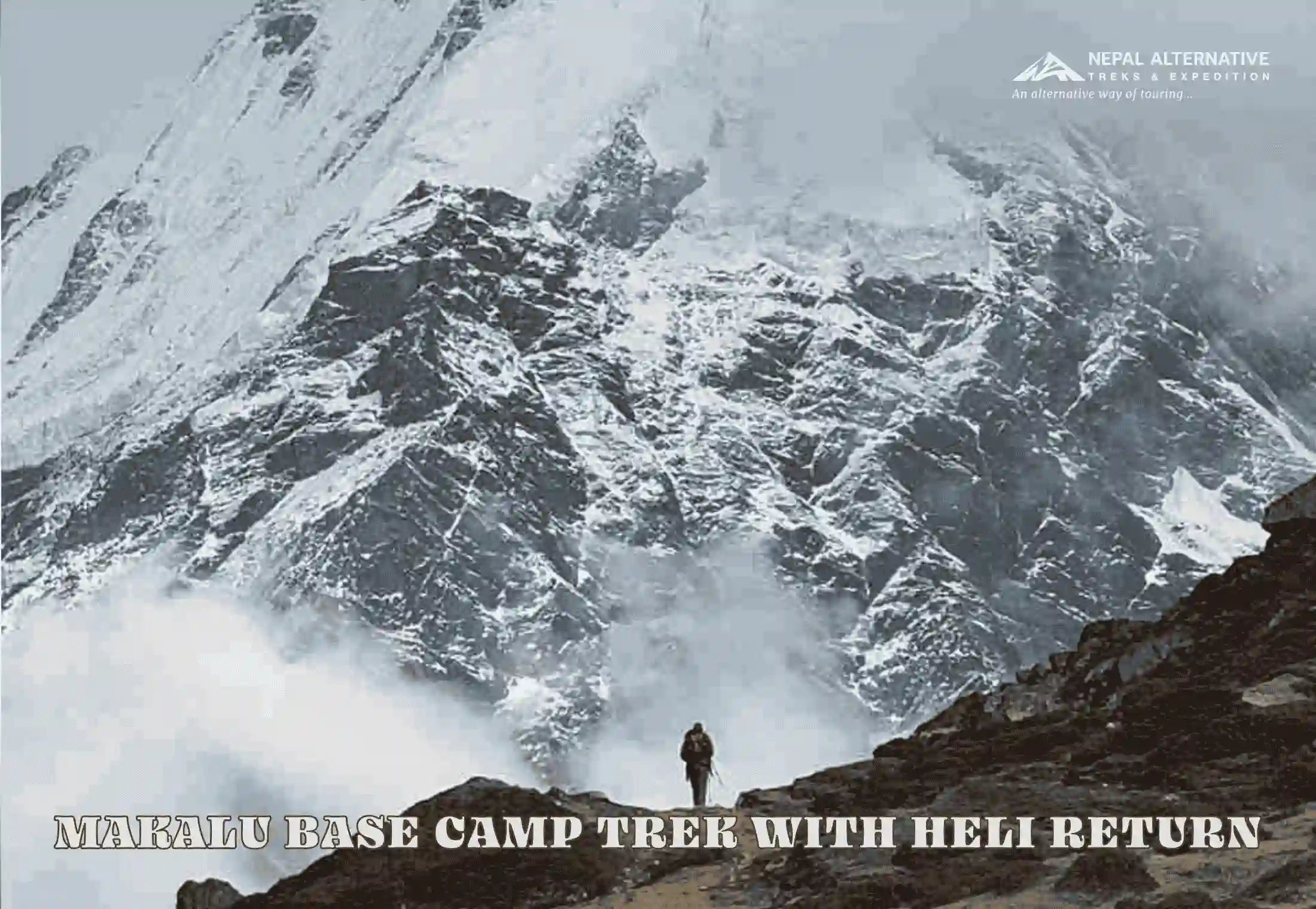
Makalu Base Camp trek with Heli Return – 9 Days

View Detail For Everest Three Passes Trek Anticlockwise Route – 17 Days
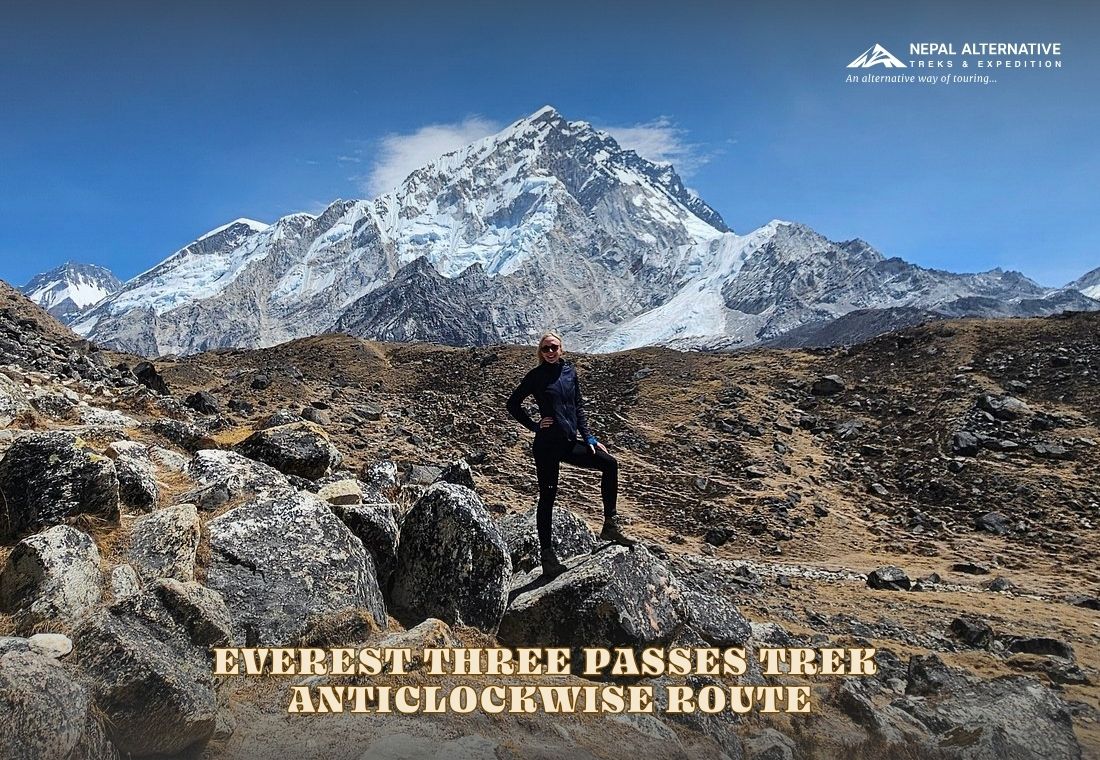
Everest Three Passes Trek Anticlockwise Route – 17 Days
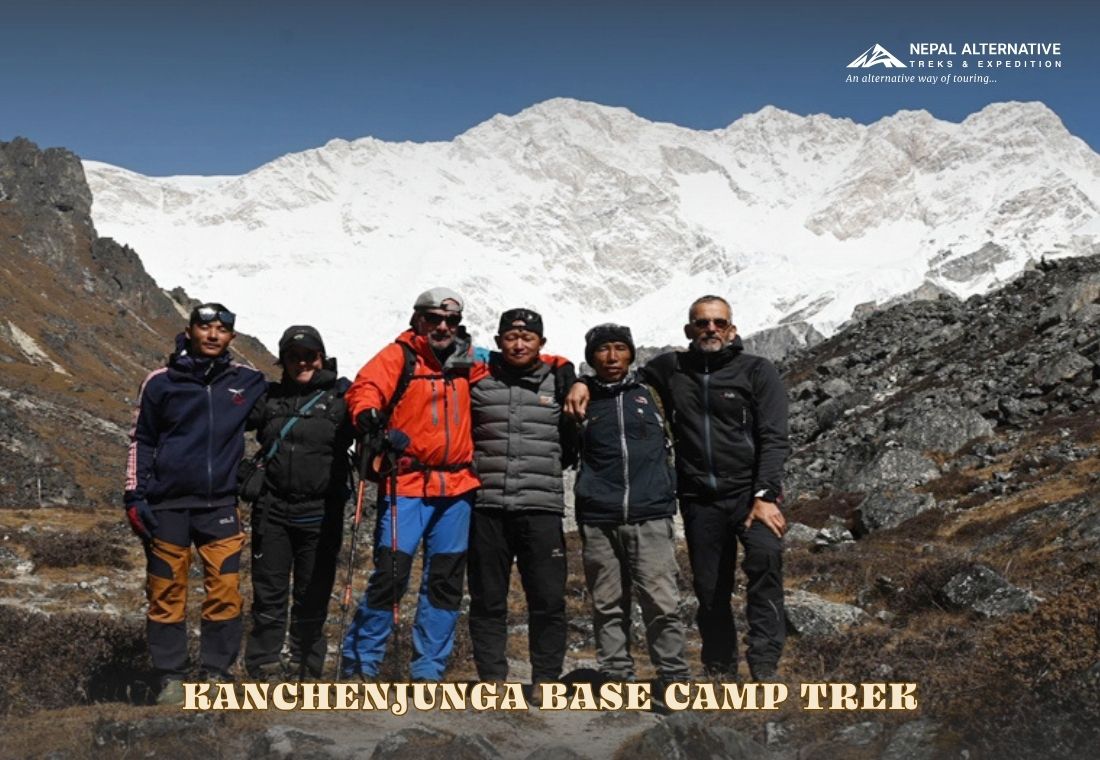
View Detail For Kanchenjunga North Base Camp Trek – 13 Days
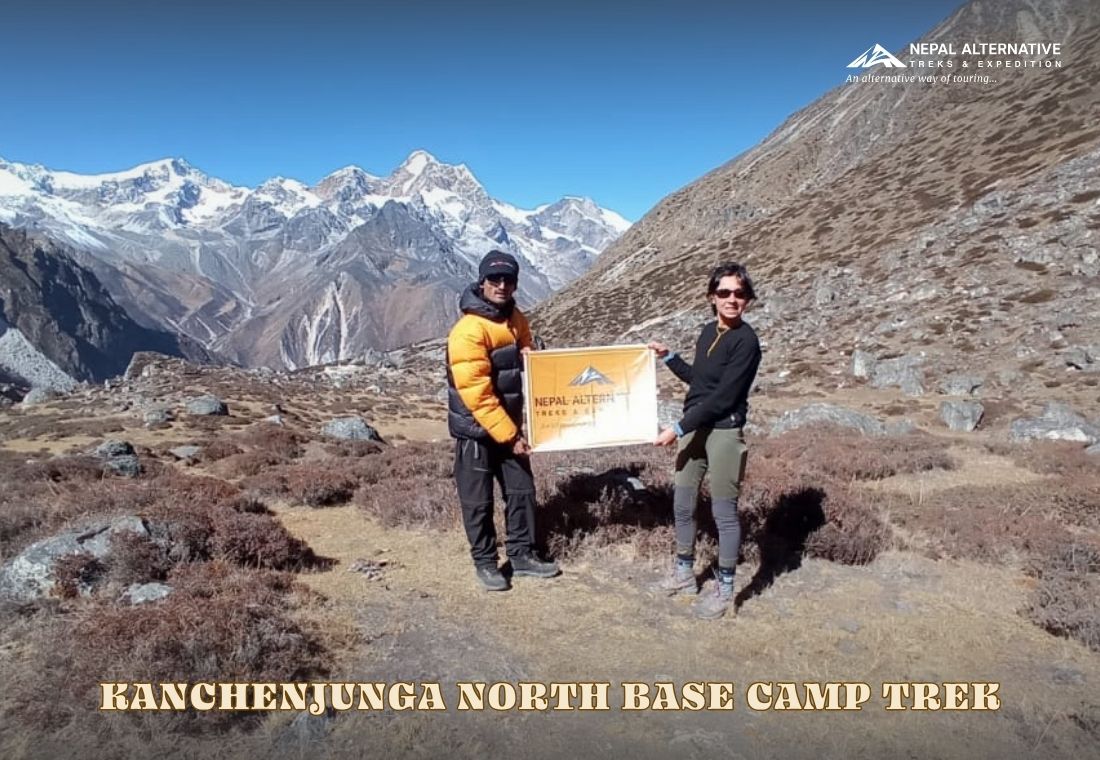
Kanchenjunga North Base Camp Trek – 13 Days
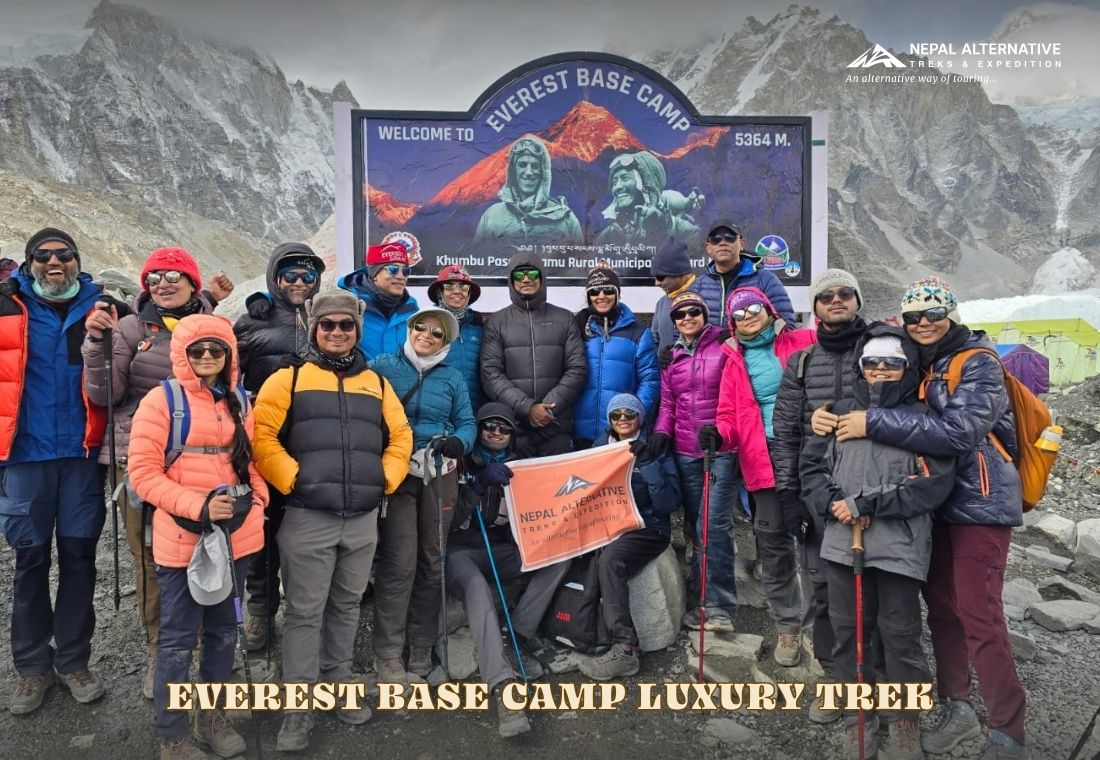
View Detail For Everest Base Camp Trek Via Ramechhap – 12 Days

Everest Base Camp Trek Via Ramechhap – 12 Days

View Detail For Mohare Danda, Khopra and Muldai View Point Trekking – 9 Days

Mohare Danda, Khopra and Muldai View Point Trekking – 9 Days


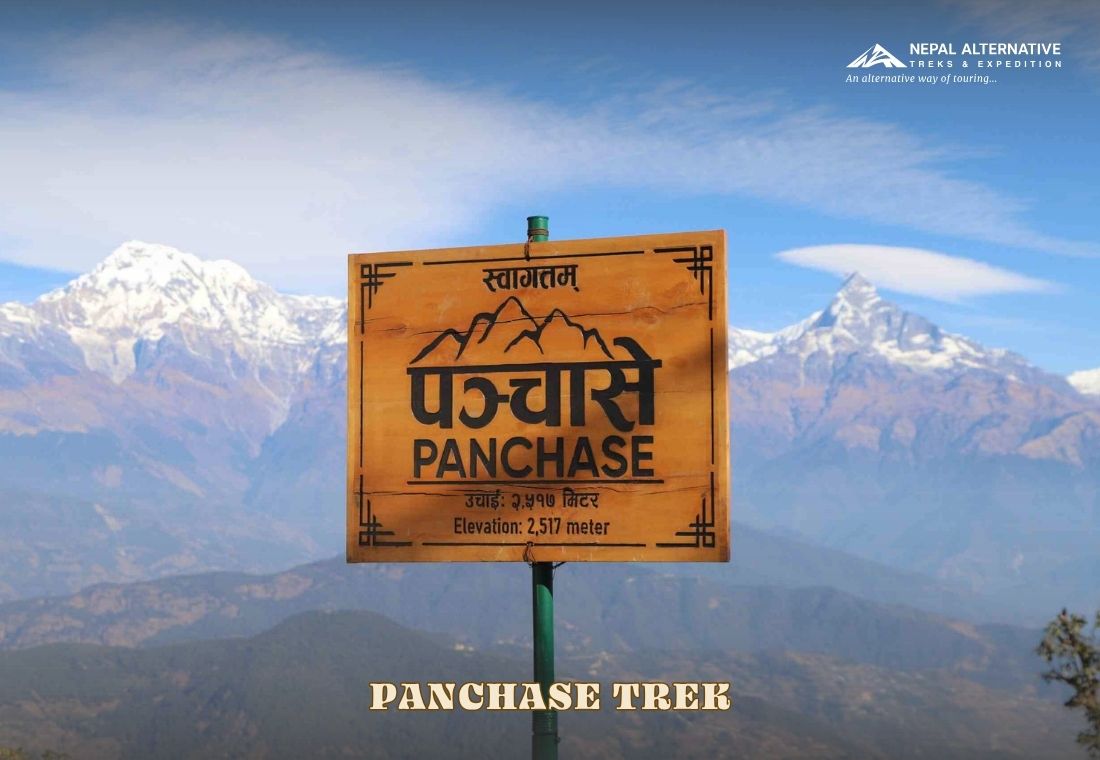



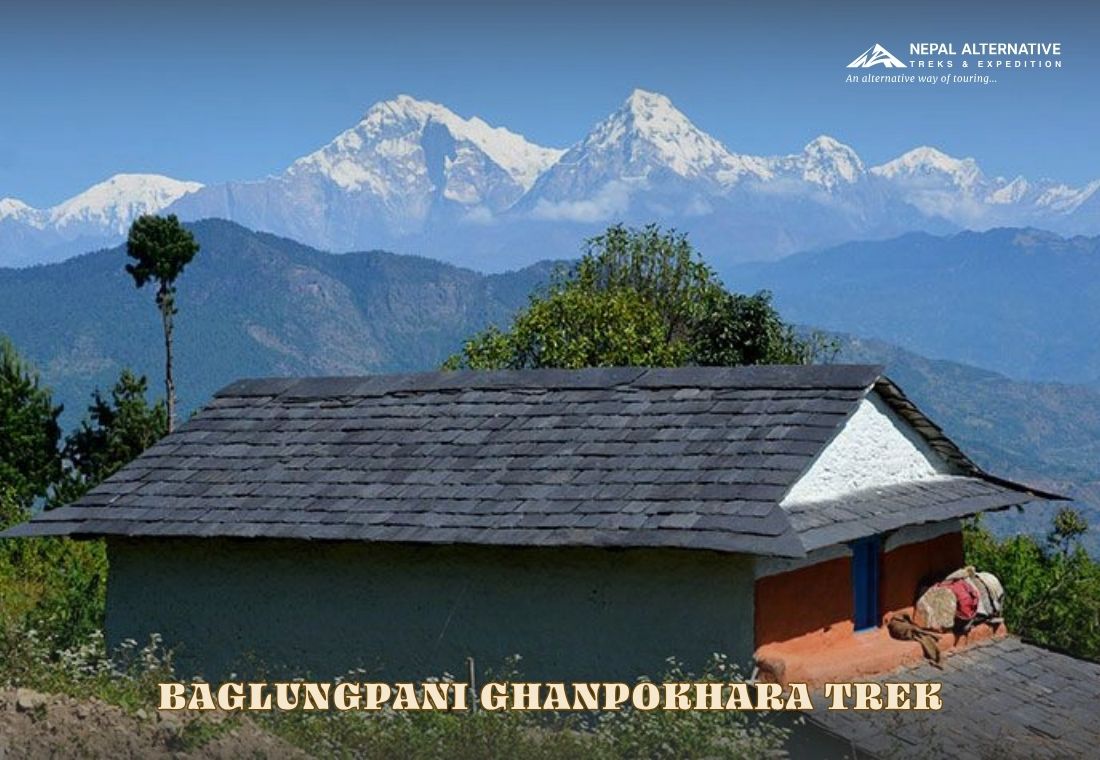
View Detail For Annapurna Sun Rise and Everest View Trek – 12 Days

Annapurna Sun Rise and Everest View Trek – 12 Days


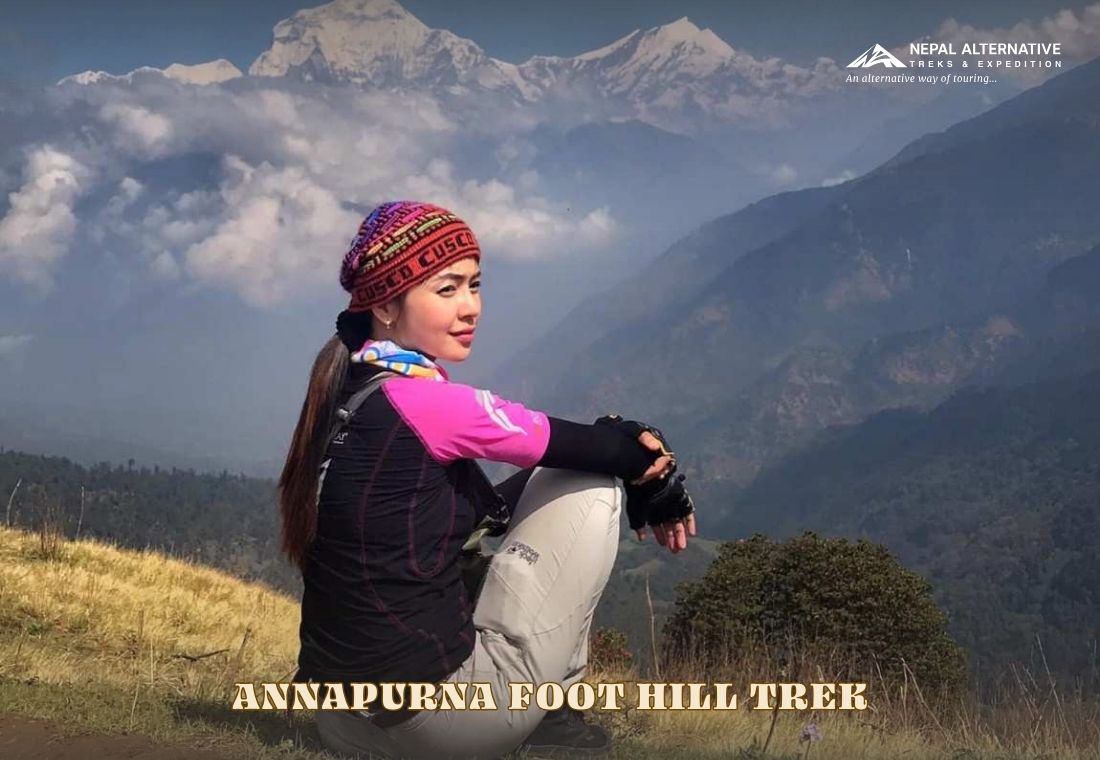
View Detail For Manaslu and Annapurna Circuit Trek – 23 Days

Manaslu and Annapurna Circuit Trek – 23 Days
View Detail For Manaslu, Annapurna Circuit and Upper Mustang Trek – 33 Days

Manaslu, Annapurna Circuit and Upper Mustang Trek – 33 Days
View Detail For Tsum valley, Manaslu and Annapurna Circuit Trek – 28 Days

Tsum valley, Manaslu and Annapurna Circuit Trek – 28 Days
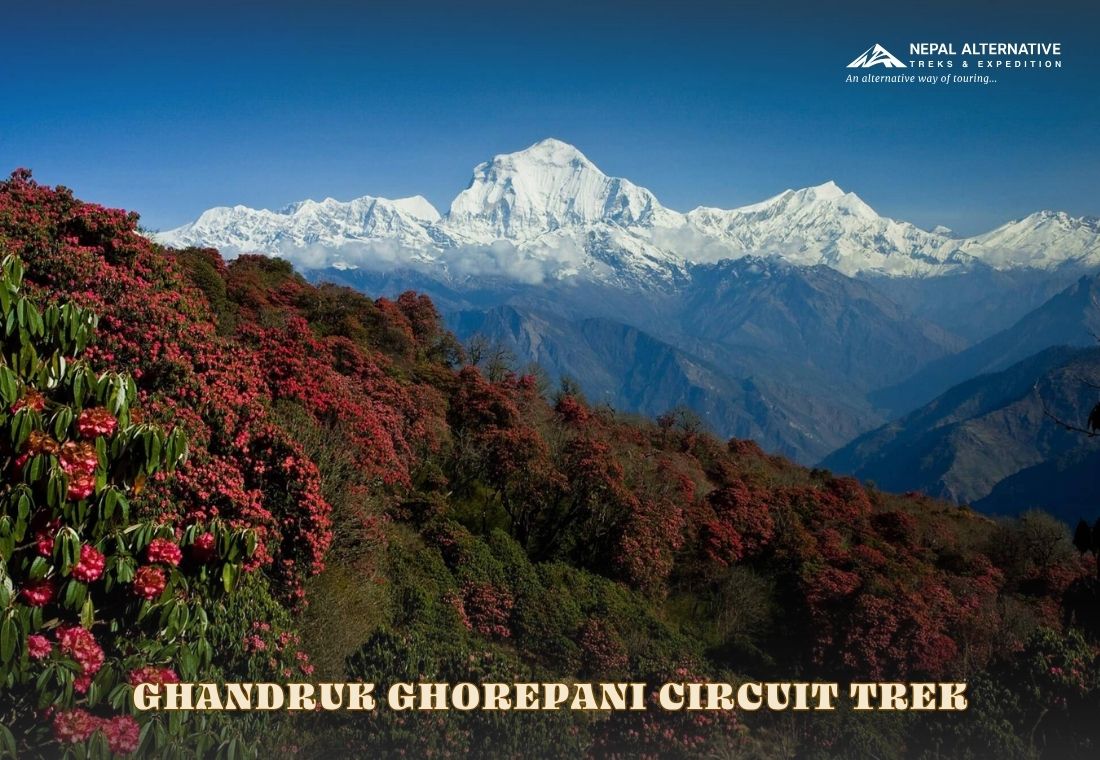
View Detail For Annapurna Base Camp with Poon Hill Trek – 10 Days

Annapurna Base Camp with Poon Hill Trek – 10 Days
View Detail For Nar Phu Valley with Annapurna Circuit Trek – 15 Days

Nar Phu Valley with Annapurna Circuit Trek – 15 Days


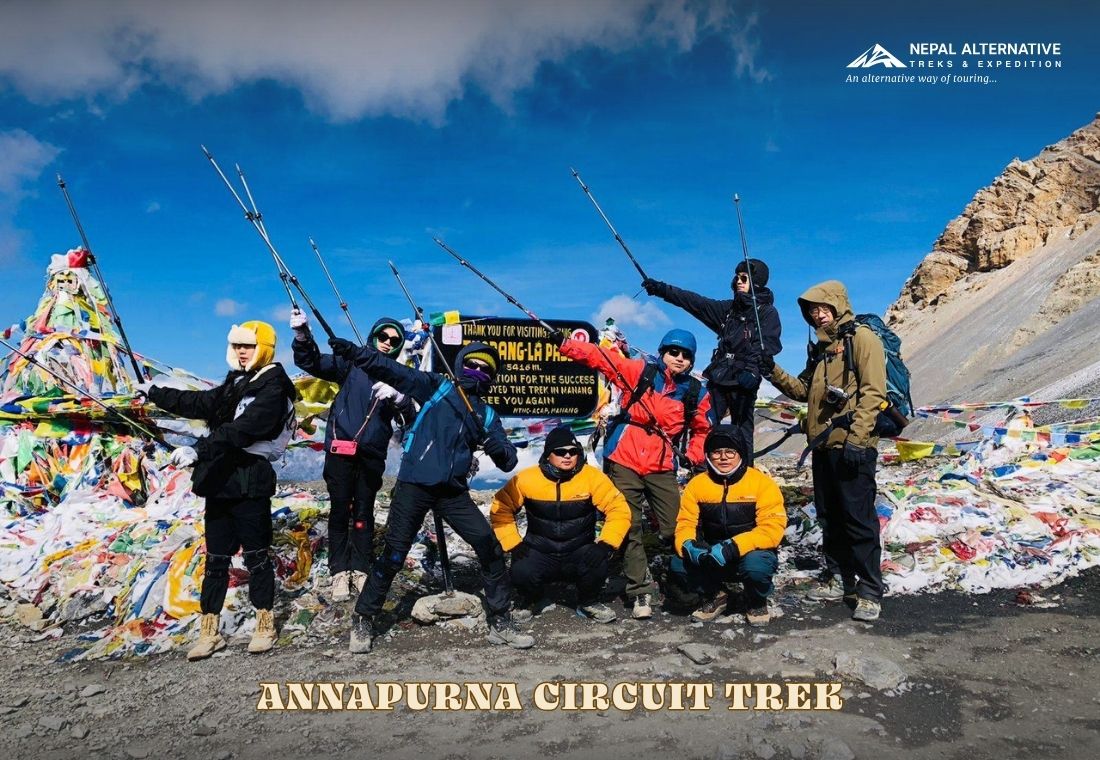

View Detail For Helambu, Gosaikunda and Langtang Trek – 13 Days

Helambu, Gosaikunda and Langtang Trek – 13 Days

View Detail For Tsum Valley and Manaslu Circuit Trek – 17 Days

Tsum Valley and Manaslu Circuit Trek – 17 Days



View Detail For Upper Mustang Tiji Festival Trek 2027 – 14 Days
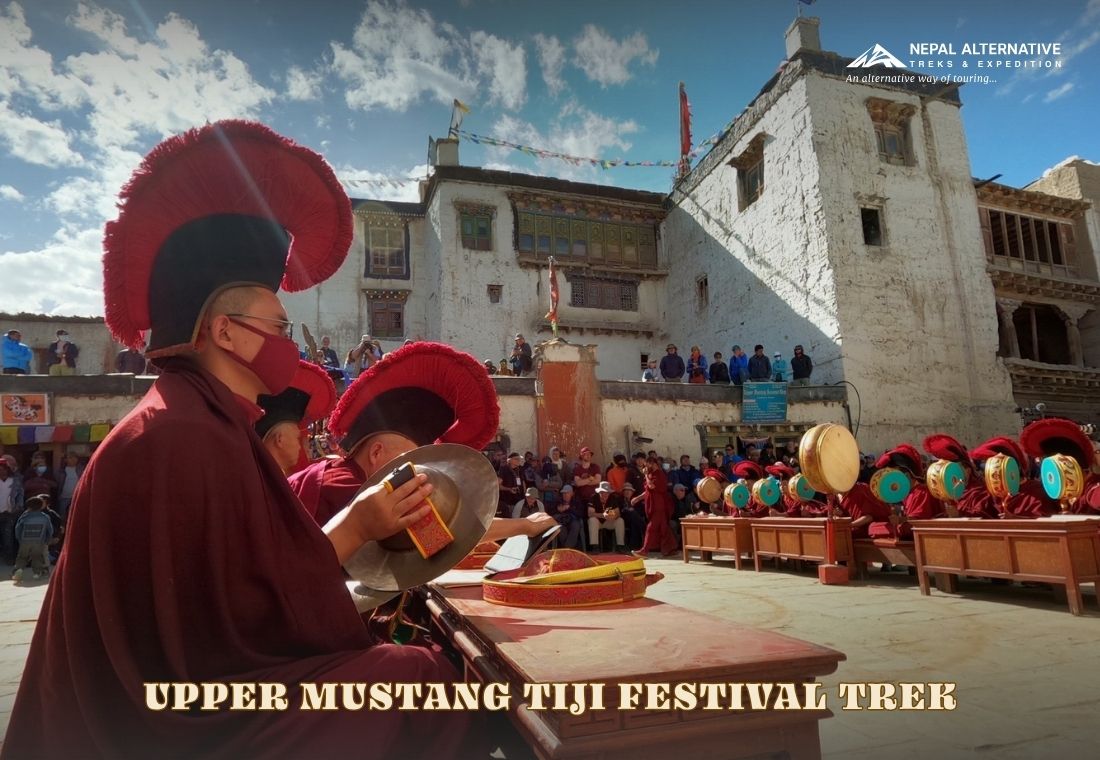
Upper Mustang Tiji Festival Trek 2027 – 14 Days


View Detail For Mardi and Annapurna Base Camp Trek – 12 Days

Mardi and Annapurna Base Camp Trek – 12 Days
View Detail For Annapurna Circuit and Mustang Trek – 21 Days
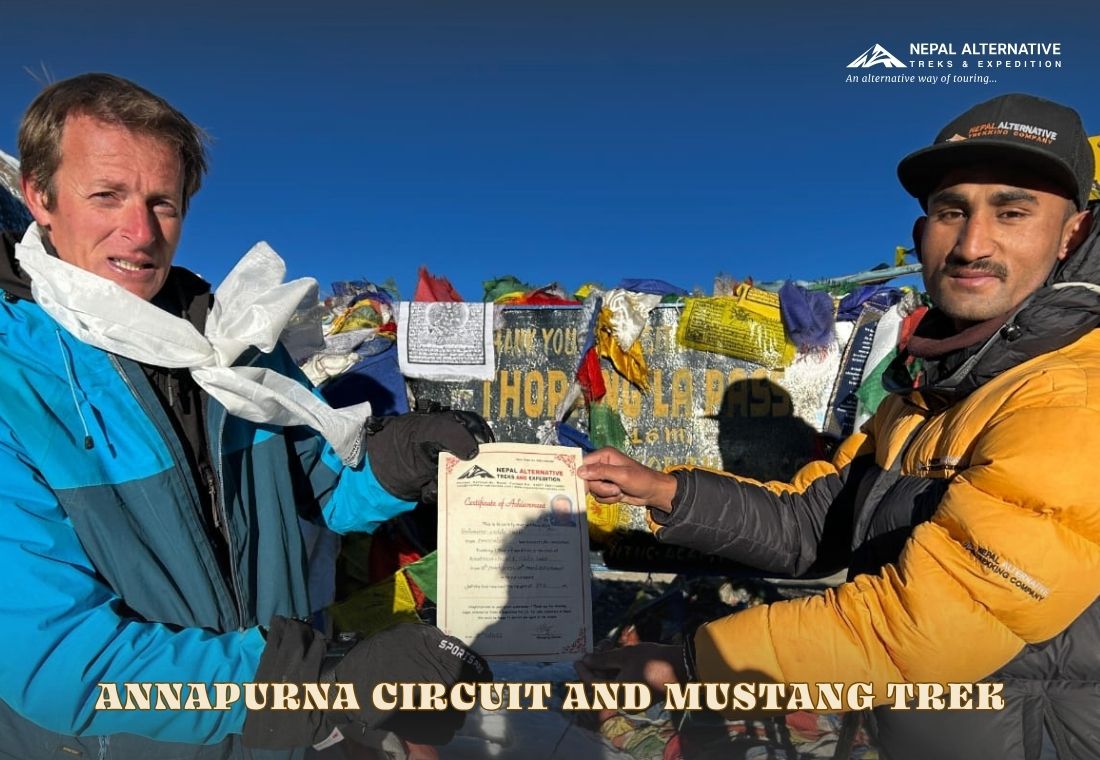
Annapurna Circuit and Mustang Trek – 21 Days




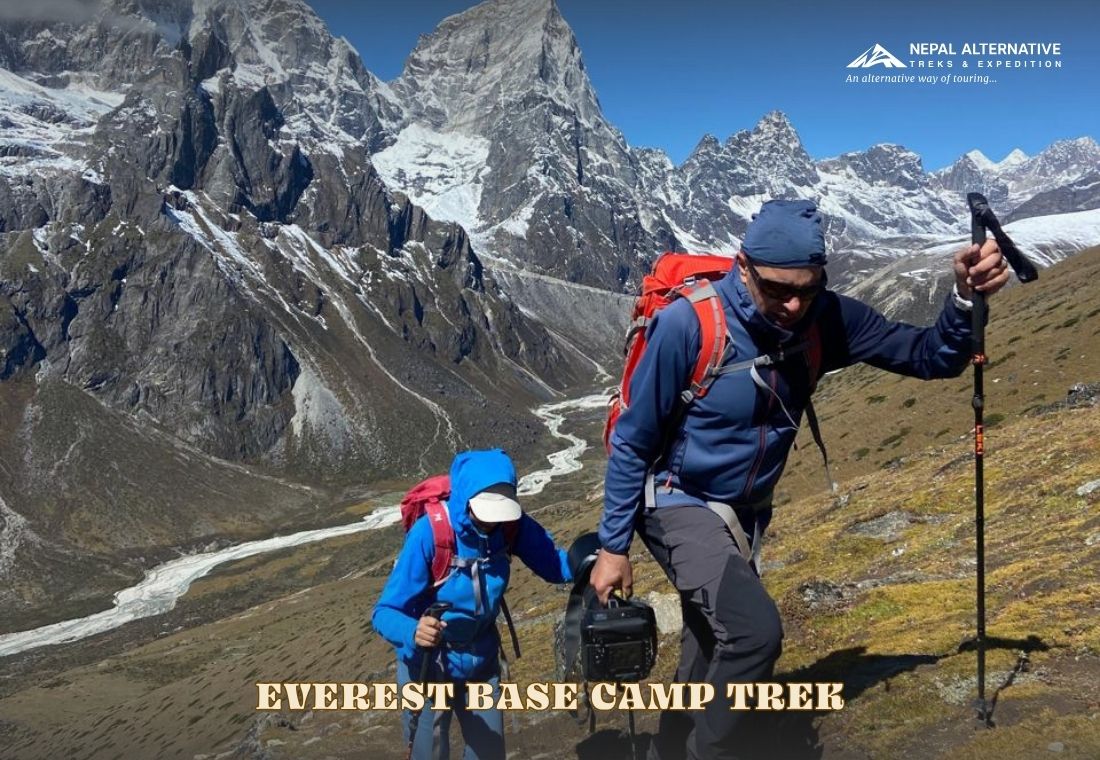
View Detail For Everest Three Passes Trek Clockwise Route – 16 Days
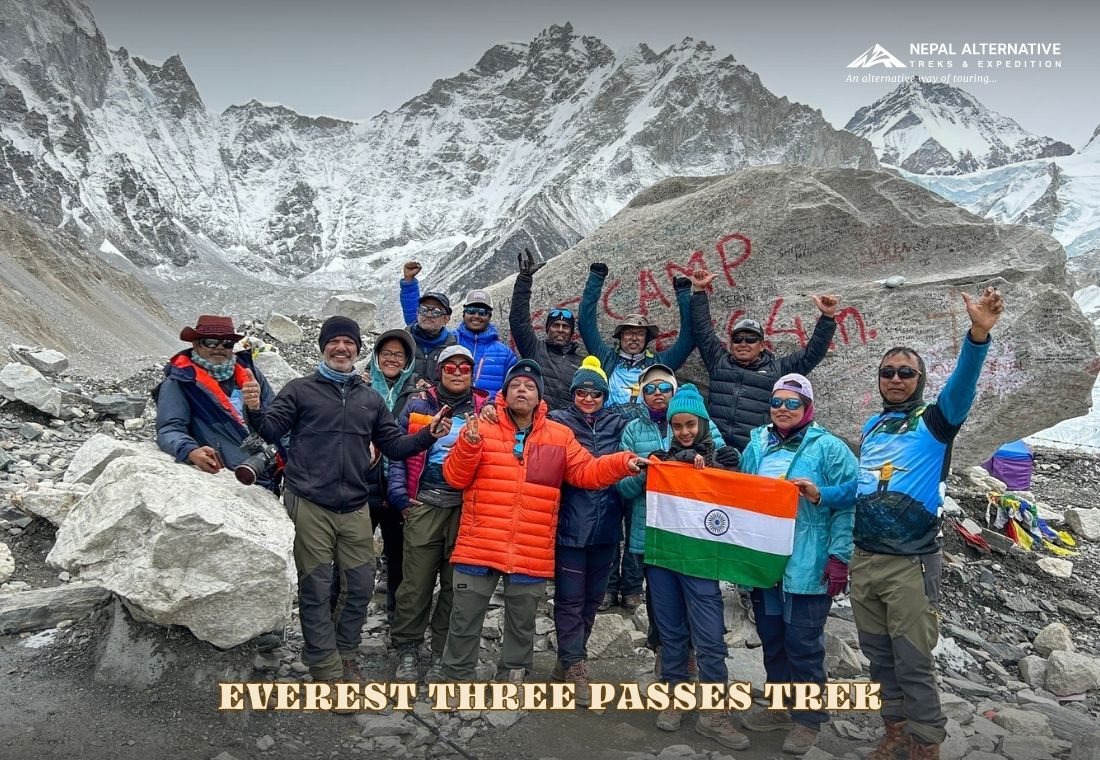
Everest Three Passes Trek Clockwise Route – 16 Days


View Detail For Annapurna Circuit with Tilicho Lake Trek – 13 Days

Annapurna Circuit with Tilicho Lake Trek – 13 Days
View Detail For Everest Base Camp with Gokyo Lake Trek – 15 Days

Everest Base Camp with Gokyo Lake Trek – 15 Days

View Detail For Everest Base Camp Trekking with Helicopter Return – 9 Days

Everest Base Camp Trekking with Helicopter Return – 9 Days
Nepal is recognized as one of the premier destinations for trekking. Thanks to its unparalleled natural beauty and many other reasons, it has earned the title of the “trekker’s paradise.” Trekking routes in Nepal give a wholesome experience of the natural and cultural beauty. The Himalayas pose as the crown jewel of Nepal. These snow-clad peaks are one of the major reasons trekkers from all over the world visit Nepal. But trekking is not just about the mountain; instead, it is about traversing across the rugged geography that consists of lush forests, hills, valleys, lakes, and rivers, getting close to nature.
The ultimate reward of trekking routes in Nepal is the experience one can get. From breathtaking views of the mountains and landscapes to experiencing the local culture, trekking here contributes to the growth of one’s mind. The journeys take you through lush, green forests inhabited by numerous species of plants and animals, as well as valleys and villages that are home to diverse communities and various majestic landscapes.
Treks in Nepal can be distinguished in terms of duration, mode of accommodation, and difficulty, among various other factors. Short and easy treks can usually be completed in a shorter number of days, while harder treks take longer to complete. Additionally, based on the mode of accommodation, the treks can be categorized into teahouse treks and camping treks. Moreover, Annapurna, Everest, Langtang, Manaslu, Kanchenjunga, Mustang, Dhaulagiri, Far West, Rara, Jumla, and Rolwaling regions are the well-renowned trekking regions of Nepal.
Trekking Region in Nepal
Everest, Annapurna & Langtang Region
Everest, Annapurna, and the Langtang Region are the most popular trekking areas of Nepal. Each region offers different trekking destinations, each providing a unique and surreal experience in nature’s majesty. Among these three, the Annapurna region attracts a large number of trekkers, followed by Everest, with Langtang attracting fewer trekkers. Approximately 100,000 to 150,000 people trek to the Everest region annually, while the Annapurna region attracts around 244,045 visitors, and the Langtang region sees roughly 12,000 trekkers.

Everest Base Camp with Gokyo Lake Trekking
Everest Base Camp, Everest Three Pass, Gokyo Lake, Everest Heli Tour, and Everest View are some popular trekking destinations in the Everest region. Similarly, Annapurna Base Camp, Annapurna Circuit, Ghorepani Poon Hill, Jomsom Muktinath, Upper Mustang, Mardi Himal, and Nar Phu Valley Trek are famous trekking destinations in the Annapurna region. In addition, the Langtang Valley Trek, Langtang Gosainkunda Trek, Helambu Trek, and Tamang Heritage Trek are popular destinations of the Langtang Region.

Langtang Khola
Manaslu, Kanchenjunga & Ganesh Himal Region
Manaslu, Kanchenjunga, and Ganesh Himal are the off-the-beaten-path trekking destinations in Nepal’s Himalayas. Among the three regions, Manaslu is quite popular, attracting a larger number of trekkers than the other two. The Manaslu region welcomes approximately 2,000 to 3,000 trekkers, whereas Kanchenjunga attracts fewer than 1,000, and Ganesh Himal has fewer than 500 trekkers each year.

Manaslu Circuit Trek, Tsum Valley and Manaslu Trek, and Tsum Valley Trek are some popular destinations in the Manaslu region. Likewise, the Kanchenjunga Base Camp Trek includes both North and South Base Camp, which is popular in the Kanchenjunga Region. Moreover, the Ganesh Himal Region is a hidden gem that offers four major trekking destinations, including the Paldor Base Camp Trek, the Ruby Valley Circuit Trek, the Ganesh Himal Trek, and the Ruby Valley Trek.

Ruby Valley Circuit Trekking
Rolwaling, Dhaulagiri & Far West Region
The Rolwaling, Dhaulagiri, and Far West regions are high-altitude, physically demanding, and remote trekking destinations in Nepal. Similarly, the region’s treks are camp or semi-teahouse-based. While there are no official statistics from Nepal’s tourism board, based on industry sources, the estimated annual trekkers in the Rolwaling Valley ranges from 200-500, 200-700 from the Dhaulagiri region, and 300-1,000 in the Far West region.

Tsho Rolpa Lake
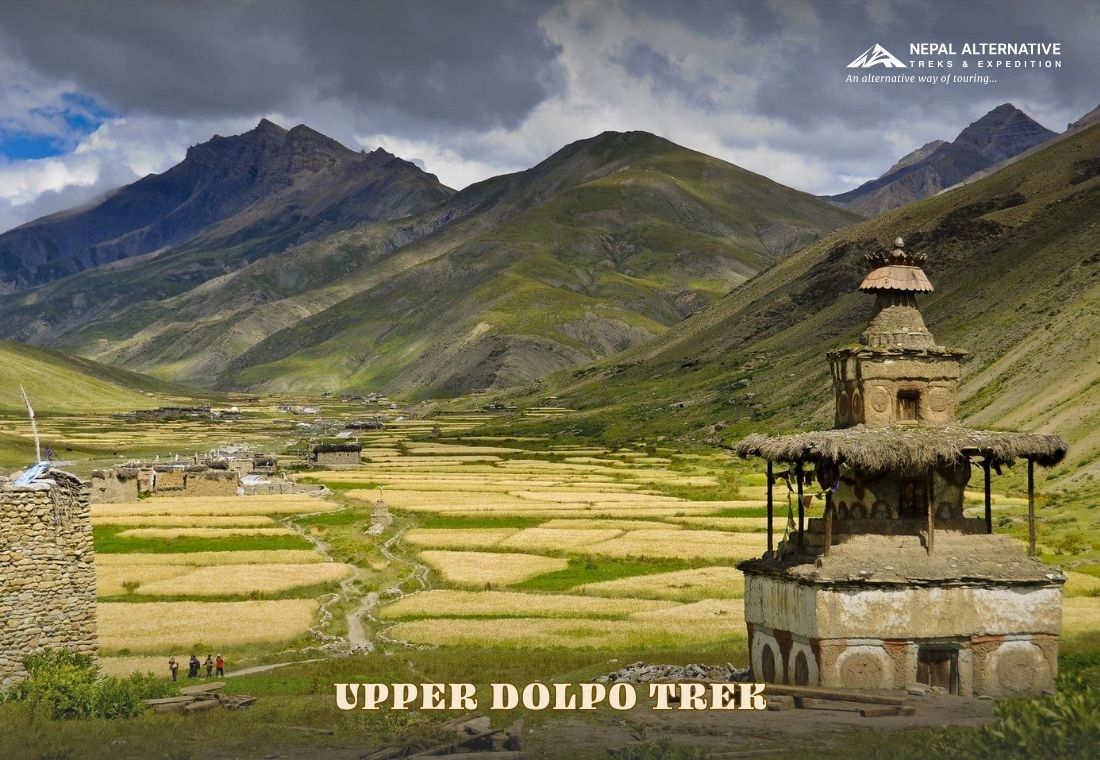
The popular treks of the Rolwaling Region are the Tsho Rolpa Lake Trek, the Rolwaling Valley Trek, and the Yalung Ri Base Camp Trek. Likewise, the most traveled trekking destinations of the Dhaulagiri Region are the Dhaulagiri Circuit Trek and the Dhaulagiri Base Camp Trek. Furthermore, the Upper Dolpo Trek, Api Himal base Camp Trek, Rara Lake Trek, and Lower Dolpo Trek are popular in the West Region.
Rara & Jumla Region
Rara and Jumla are located in the Karnali region of northwestern Nepal. Both terrain features high hills, forested ridges, alpine meadows, and remote valleys with very low traffic. According to the recent trekking company profile, fewer than 3,000 trekkers visit the Rara and Jumla area each year. Rara Lake Trek and Sinja Volley Cultural Trek are two quite popular treks in the Rara and Jumla regions.
Why Trek in Nepal?
Trekking in Nepal is like walking through nature’s majesty, with each step providing relaxation and a new and exciting experience. With thousands of trekking routes in the country, Nepal offers a diverse range of trekking experiences, making it suitable for everyone’s desires. Additionally, it is a place where nature, culture, and adventure converge, making it a truly once-in-a-lifetime experience. So, why not Nepal for a trek?
Spectacular scenery
From the hills, the Terai, and the Himalayas, Nepal boasts spectacular scenery in each of the three major ecological zones, offering the unique beauty of each location. Specifically, the Himalayan region where trekking takes place is full of spectacular scenery, ranging from ancient trails and mountain views to river crossings, prayer wheels, deep gorges, lush forests, open meadows, and traditional villages. Thus, the exceptional scenery of Nepal is the primary factor that draws trekkers from around the world to trek in Nepal.
Economical Treks
Nepal offers the world’s best trekking experiences at a fraction of the cost compared to other countries. One US Dollar is worth around NRS. One hundred twenty or more, so your dollar goes very far in Nepal. From food and lodging to guide services and other expenses, everything here is affordable. Even the well-renowned trekking routes of Everest and Annapurna can be completed without breaking the bank. So, to know that you don’t need to spend a lot to gain a lot, trekking in Nepal is recommended.
Year-Round Opportunities
Another reason to trek to Nepal is its year-round opportunities and accessibility, with each season bringing something special. While Spring and Autumn are the most popular seasons with ideal weather, each season offers a different perspective and set of experiences on the trails. Thus, you can trek to Nepal whenever you get a vacation and want to escape from the busy world.
Unique Blend of Culture and Nature
Nepal is where you can trek through old monasteries, spinning prayer wheels and traditional villages, and witness the daily lives of locals while surrounded by Himalayan peaks. Almost every day, you’ll hear monks chanting, smell incense, and be surrounded by snow-capped mountains, making your adventure truly remarkable. So, if you prefer not only a trek but a harmony and closeness with nature, Nepal is your must-visit destination.
Experience the warmth of Nepali Hospitality
Do you want to connect with different cultures and experience their hospitality? Nepal is the one. Wherever you go, you’ll find kind and smiling locals who will respect you and treat you well. Whether you’re sipping tea in the mountains, staying at a local accommodation point, or walking through remote trails along traditional villages, you’ll experience the warmth of Nepali hospitality at every step.
Trekking Costs in Nepal
Trekking and traveling in Nepal have drawn the attention of travelers, but what comes to mind first when planning an adventure? It’s a cost. However, no worries, Nepal is one of the budget-friendly countries to travel to, which won’t significantly harm your bank balance. Well, the answer isn’t constant and varies depending on different aspects, with the trekking region being a significant one.
Trekking Region:
The cost of trekking in Nepal varies depending on the trekking region you choose, as each area has its level of accessibility, permits, requirements, infrastructure, and facilities. For instance, trekking in the Everest region typically costs between $ 800 and $1,500. On the other hand, the Annapurna region is more budget-friendly, with an average cost ranging from $500 to $1,500. Similarly, the Langtang region is also cost-effective, with an average price of $300-$ 700.
In contrast, remote and restricted areas like Manaslu, Upper Mustang, and Dolpo are significantly more expensive due to the requirement for special permits, the need for a guide, and limited facilities. Yet, the average cost of trekking in Upper Mustang ranges from $1,800 to $3,500. For Manaslu, the price ranges from USD 1,200 to $2,000, and for the Dolpo region, it ranges from $3,000 to $6,000. Still, wondering what the costs are for and what exactly varies the cost? Below are explained the aspect that makes fluctuations in the price.
- Number of trekking days: The more days you spend on a trek, the higher your total cost will be. A longer trek means more spending on food, accommodation, and overall expenses. In contrast, short treks are budget-friendly and cost less.
- Number of Trekkers: The more people in your trekking group, the lower the per-person cost will be. That’s because expenses like guide and porter fees, transportation, accommodation, and other costs will be shared. Yet, solo trekking costs more since all costs fall on one person.
- Mode of transportation: Your choice of transportation, whether to choose a flight, a private vehicle, a tourist bus, or a local bus, can significantly impact the cost of your trek. Remember that the more convenient the transport, the more it adds to your overall trekking cost.
- Accommodation type: The type of accommodation you choose plays a key role in your trekking expenses. Basic teahouses with shared toilets and simple meals are the most affordable. Midrange lodges offer private rooms, better food, and other facilities. Additionally, for added comfort, luxury lodges come with higher costs but premium services.
- Permit fees: Permit fees are another factor that affects the cost of trekking routes in Nepal. The cost of permits varies by region, with Annapurna and Langtang having relatively low permit costs compared to restricted regions like Upper Mustang, Manaslu, Dolpo, or Kanchenjunga due to the need for special permits.
- Cost of guide and porter: Whether to hire a guide and porter for your trek can significantly impact your overall trekking cost. Guide fees typically range from $25 to $40 per day, while porter fees are around $15 to $25 per day. The more helpers you hire, the higher the cost will be. Yet, remember that a hiking guide is mandatory for the trekking area but optional for other trekking regions.
- Miscellaneous Expense: Miscellaneous expenses include wifi, hot showers, charging, snacks, drinks, tips, and personal shopping. Therefore, the costs depend entirely on you and how you manage them.
- Trekking season: The time of the year you trek in Nepal can impact your budget. During peak season (spring and autumn), prices for the overall trekking expenses are often higher due to high demand. However, during off-seasons (summer and winter), costs are generally lower, and you may be eligible for a discount.
- Chosen trekking package: The type of trekking package you select, like basic, standard, or luxury, significantly affects your overall cost. While the basic package is budget-friendly, the luxury options are more expensive, and the standard ones fall somewhere in between, neither being overly expensive nor too affordable. Therefore, the level of comfort you prefer affects your costs.