Safety update: our trekking groups are safe, and our routes are running as planned. Read full flood notice.

Choose your trek
View Detail For Kanchenjunga North Base Camp Trek – 13 Days
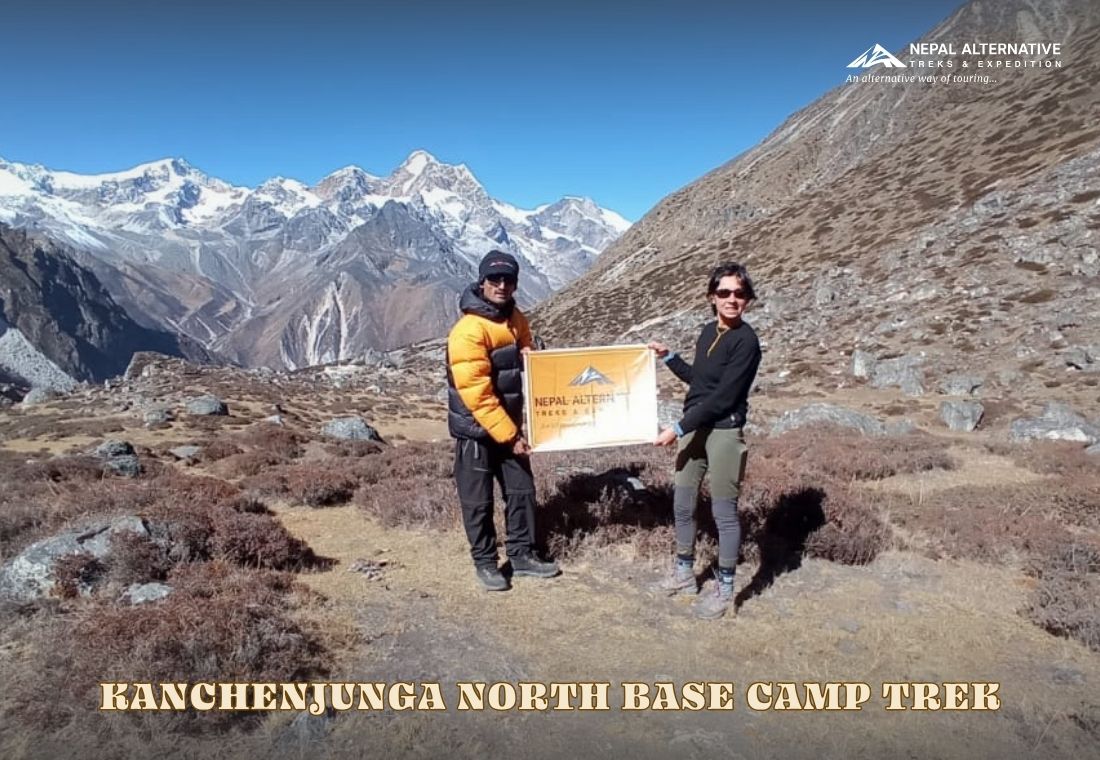
Kanchenjunga North Base Camp Trek – 13 Days


View Detail For Tsum Valley and Manaslu Circuit Trek – 17 Days


Tsum Valley and Manaslu Circuit Trek – 17 Days

View Detail For Upper Mustang Tiji Festival Trek 2027 – 14 Days
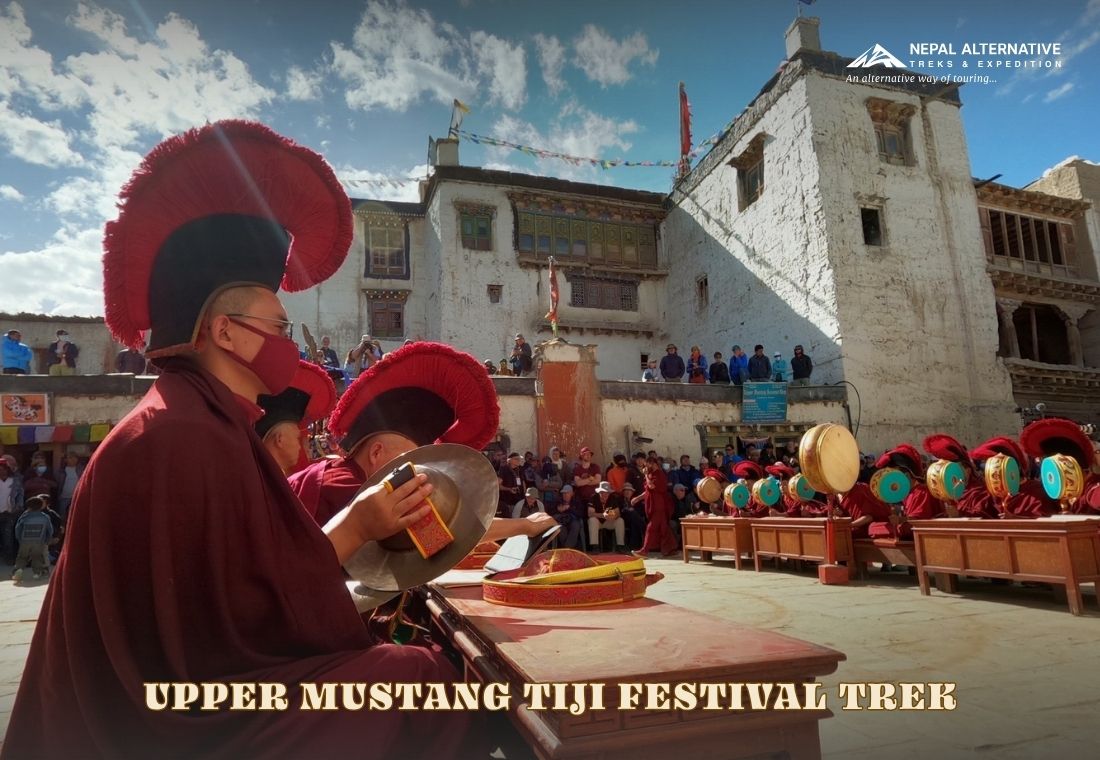
Upper Mustang Tiji Festival Trek 2027 – 14 Days


View Detail For Upper Mustang Tiji Festival Tour 2027 – 8 Days

Upper Mustang Tiji Festival Tour 2027 – 8 Days
Restricted area treks in Nepal are special trekking routes that are less crowded, more remote, and more culturally preserved than popular trails like Everest and Annapurna. These restricted regions are protected by the government, so trekkers need restricted area permits and must travel with a registered trekking agency. Because of these rules, planning takes a bit more effort, but the experience is very different. You walk on quiet trails, pass through traditional villages that have changed very little over time, and explore landscapes that feel raw and untouched.
Six of the main restricted area treks in Nepal include the Manaslu Circuit, Upper Mustang, Nar Phu Valley, Tsum Valley, Kanchenjunga Base Camp, and Upper Dolpo. Each of these treks offers a different experience in terms of culture, scenery, and difficulty. Some are dry and desert-like, while others are green, remote valleys with strong Tibetan influence. And the goal of this guide is to help you understand which trek matches your time, fitness, and travel style.
What Makes Restricted Area Treks Different?
Restricted area treks in Nepal are different mainly because access is controlled. These regions are close to international borders, have sensitive environments, or are home to traditional communities that the government wants to protect. These routes tend to preserve older village life and receive fewer trekkers.
You cannot just arrive and start the trek on your own. The trekking company needs to handle your permit, and you must trek with a licensed trek guide. But the good part of these regulations is that the trekking trails remain much quieter and less developed than other popular trek routes in Nepal. On the ground, this creates a very different experience. You meet fewer trekkers, villages feel more untouched, and daily life looks more traditional.
Because of all this, choosing a restricted region trek also requires selecting a reliable trek operator who can handle the additional planning and support required in these remote regions.
Restricted Area Trek Comparison
| Trek | Trek Duration | Max Altitude | Difficulty | Trail characteristics | Permit required |
| Manaslu Circuit Trek | 11 to 18 days | 5,106 m at Larkya La Pass | Moderate to challenging | Long, varied loop with rivers, villages, and Larkya La high pass | Manaslu Restricted Area Permit + MCAP + ACAP |
| Upper Mustang Trek | 10 to 14 days | 3,700 m at Lo Manthang | Easy to Moderate | Dry, open rain-shadow trail to Lo Manthang | Upper Mustang Restricted Area Permit + ACAP |
| Nar Phu Valley Trek | 8 to 15 days | 5,322 m at Kang La Pass | Moderate | Rugged side valleys, stone villages, and quieter trails off the main circuit | Nar Phu Valley Restricted Area Permit + ACAP |
| Tsum Valley Trek | 10 to 16 days | 3,800 m at Mu Gompa | Moderate | Deep valley walk with nunneries, monasteries, and classic Buddhist settlements | Tsum Valley Restricted Area Permit + ACAP + MCAP |
| Kanchenjunga Base Camp Trek | 18 to 26 days | 5,143 m at North Base Camp and 4,780 m at South Base Camp | Challenging | Less-developed trail to base camps near the India border | Kanchenjunga Restricted Area Permit + Kanchenjunga Conservation Area Permit |
| Upper Dolpo Trek | 20 to 27 days | Between 5,100 m and 5,500 m at high passes | Challenging | Harsh, high, very remote trek via Shey Phoksundo and high passes | Upper Dolpo Restricted Area Permit + Shey Phoksundo National Park permit |
6 Best Restricted Area Treks in Nepal
Manaslu Circuit Trek
Manaslu Circuit Trek feels like an alternative to Annapurna Circuit in both scale and structure without the same level of commercialization. The route circles Mount Manaslu (8,163 m), the world’s eighth-highest mountain, and takes you through changing landscapes, traditional villages, deep river gorges, forests, and high alpine valleys.


The trek starts in warm lower hills with rice terraces and rivers, then gradually climbs into Tibetan-influenced Buddhist villages such as Samagaun and Samdo. By the final stages, you reach dramatic glacial terrain and cross the famous Larkya La Pass (5,106 m), one of Nepal’s high trekking passes. It is a good fit for trekkers with some prior multi-day experience who are ready for a bit of altitude and rougher trails, but who still prefer teahouses over camping.
Highlights of Manaslu Circuit Trek
- Natural acclimatization profile that slowly climbs step by step through different elevation zones.
- Walk alongside glacial rivers and below hanging icefalls, with impressive views of Manaslu and nearby peaks throughout the journey.
- Combine the trek with side trips such as Tsum Valley into a single long itinerary, which is less practical for far-flung options like Upper Dolpo or Kanchenjunga.
👉 Read this blog for more details on Manaslu Circuit Trek vs Annapurna Circuit Trek.
Upper Mustang Trek
The Upper Mustang Trek is a restricted area trek in Nepal that feels very different from most Himalayan routes. It’s because in this trek, instead of green forests and glaciers, you walk through a dry, desert-like landscape with red cliffs, wide valleys, and old cave settlements. The region was once a separate kingdom, and you can still see that history in the villages, monasteries, and especially in Lo Manthang, the walled city at the heart of Upper Mustang. The culture here is strongly influenced by Tibetan traditions, which makes the whole journey feel unique and different from other treks in Nepal.


Another unique thing about the Upper Mustang trekking is that you can do this trek in the monsoon/summer season as well. Upper Mustang lies in a rain shadow, so it remains relatively dry even during the monsoon season. This makes it one of the few treks in Nepal that can be done when many other routes are not suitable. The trek is more about culture and landscape than physical challenge, so it suits people who want a slower and more meaningful travel experience. If you are planning your trip, it helps to read the practical details on the Upper Mustang Trek Easy Tips.
Highlights of Upper Mustang Trek:
- Trek through unique desert-like mountain scenery with caves, cliffs, and traditional villages.
- The chance to time your trek with the Tiji Festival, when masked dances and rituals fill the courtyards of Lo Manthang’s monasteries.
- Lo Manthang, monasteries, caves, and living cultural traditions.
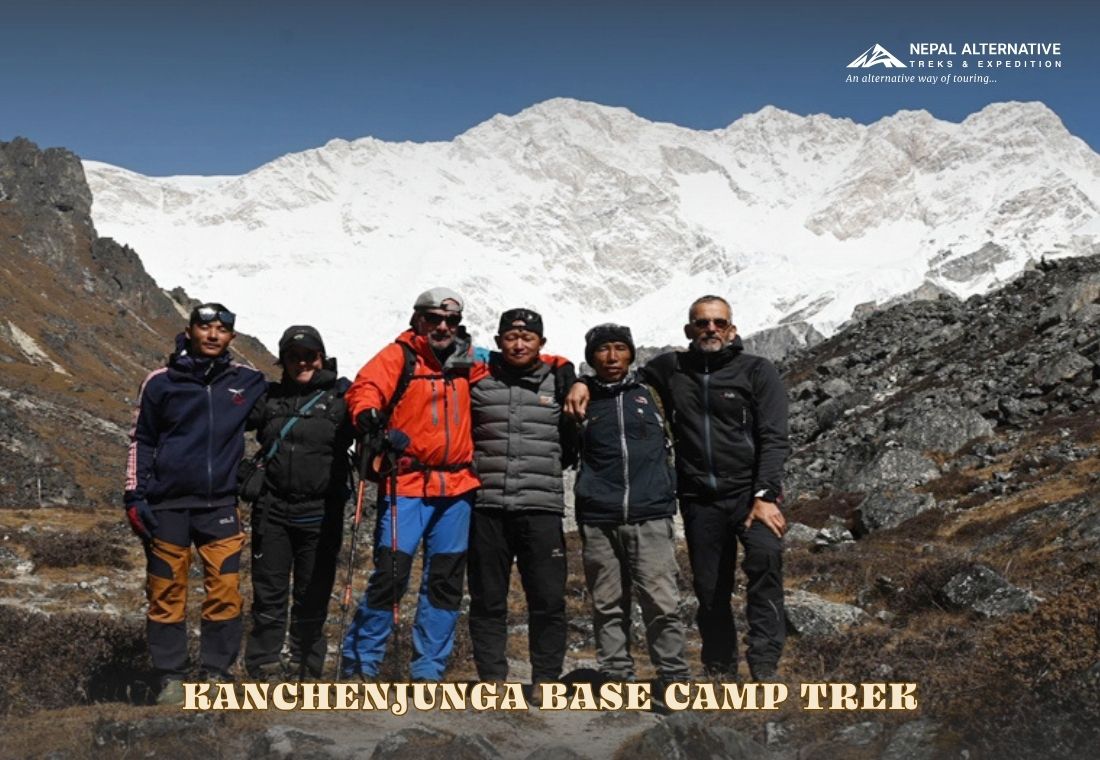
Kanchenjunga Base Camp Trek
Kanchenjunga Base Camp is uniquely special because it feels like a classic Himalayan expedition in a region that has never become mainstream. The trek runs through far-eastern Nepal to the base of the world’s third-highest mountain, Kanchenjunga. The journey is long and quiet, with fewer trekkers and a true sense of wilderness. The views of the mountain range are massive, and the feeling of isolation is stronger than in the Everest and Annapurna regions.


This trek also stands out for its cultural variety. Along the trail, you pass through different ethnic communities such as Rai, Limbu, Sherpa, and Tibetan-influenced villages. Each area has its own traditions and lifestyle, so the cultural tapestry shifts more than on single culture routes like Upper Mustang.
Highlights of Kanchenjunga Base Camp Trek:
- Option to visit both Kanchenjunga North Base Camp and Kanchenjunga South Base Camp on longer itineraries.
- Walk for days without meeting many other trekking groups.
- Rich biodiversity in the lower sections, with forests and wildlife that feel closer to a national park trek than a pure high-alpine route.
Nar Phu Valley Trek
The Nar Phu Valley trek stands out as the most intense hidden-side-valley experience within the greater Annapurna-Manang corridor. Where Manaslu and Kanchenjunga feel like long, continuous journeys, this trek feels like stepping off the main route completely. You enter two quiet, stone-built villages where very few trekkers go. The valleys are narrow, the trails are rough in parts, and the atmosphere feels like a hidden corner of Himalayan culture that is still very real and lived-in.


What you can’t really replicate on other restricted treks is the contrast hit of Nar Phu. Many itineraries start on the busy Annapurna Circuit, then branch away into empty side valleys. That means you move from crowded teahouses to silent, remote villages. That shift happens in just a few days and makes the experience feel very different from regular trekking routes. It is a good choice for those looking for something more isolated and less commercial. For the best experience, plan your Nar Phu Valley in the best seasons, which are Spring (March to May) and Autumn (September to November).
Highlights of Nar Phu Valley Trek:
- Remote stone villages with a strong traditional Himalayan lifestyle.
- Cross Kang La pass for an extra mountain adventure.
- Quiet trails with yak caravans and old trade routes still active.
Tsum Valley Trek
The Tsum Valley Trek is known for its deep Buddhist culture inside a hidden valley that was closed to outsiders until 2008. The trail leaves the Manaslu region and follows the Shiar Khola river into a quiet side valley filled with traditional villages. Along the way, you see long mani walls, chortens, cliffside monasteries, and small nunneries. You will hear and see prayer and daily rituals as you walk. Walking in the Tsum Valley trekking trail feels more like moving through a living spiritual world than just a mountain trail.


Talking about the Tsum Valley trek difficulty, this trek is less demanding than many high-pass routes in Nepal. The daily walking is easier, which gives you more time to stay in villages and spend time in monasteries without rushing. The slower pace, combined with the valley’s isolation, creates a calm and reflective atmosphere that is very different from other trekking regions like Manaslu or Kanchenjunga.
Highlights of Tsum Valley Trek:
- Overnight stays near monasteries, where it’s possible to witness morning or evening rituals without rushing to the next high camp.
- Learn about the “Beyul” hidden valley beliefs and local spiritual stories.
- Experience warm, family-run homestays with close interaction with locals.
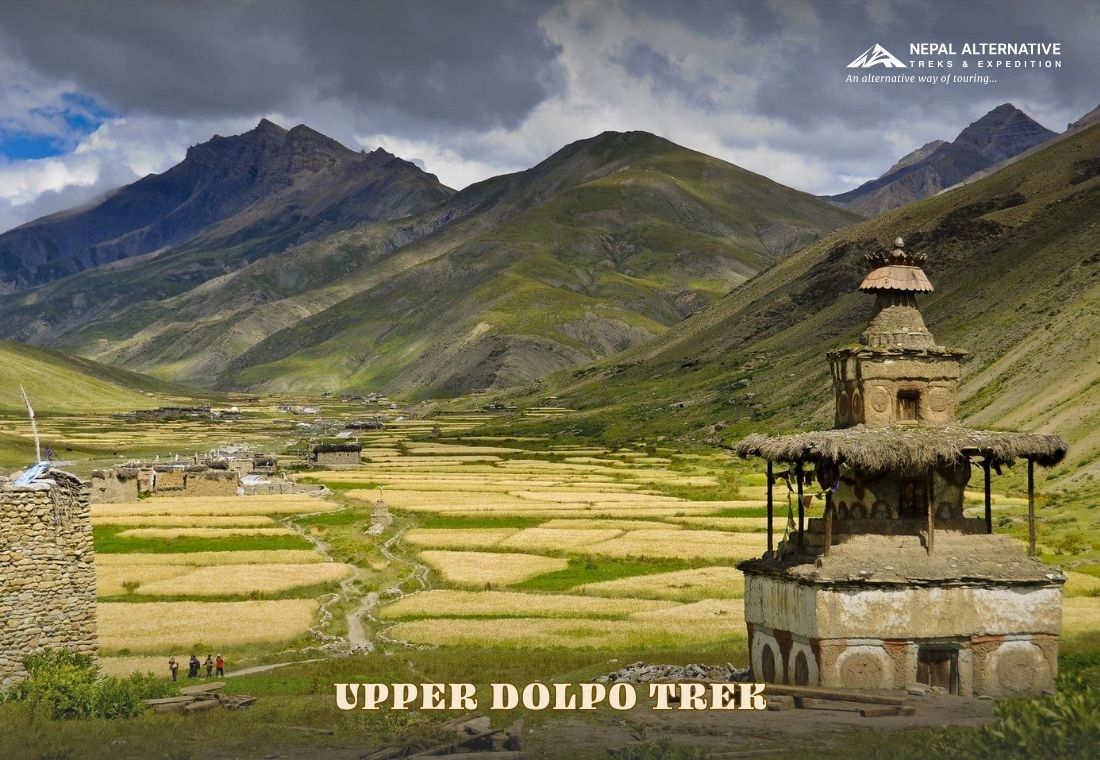
Upper Dolpo Trek
The Upper Dolpo Trek is the most challenging restricted trek in Nepal. It feels more like an expedition than a normal trek. The route has very few lodges, long gaps between villages, multiple high passes, and many sections where camping is needed, which gives it a frontier feel that even Kanchenjunga cannot quite match. The valleys are high, dry, and isolated, giving a strong sense of traveling through a frontier landscape far away from modern life.


One of the biggest highlights of the Upper Dolpo trek is the mix of raw nature and ancient culture. You pass through traditional Bon and Buddhist regions where old monasteries sit on cliffs, and local people still follow a semi-nomadic lifestyle. The journey also includes the stunning Shey Phoksundo Lake, known for its deep blue color and dramatic setting. If you want a journey where logistics, isolation, and commitment become part of the story, Upper Dolpo is the outlier.
Highlights of Upper Dolpo Trek:
- A true expedition-style trek with long, remote camping sections.
- Cross multiple high passes with continuous high-altitude landscapes.
- Visit Shey Phoksundo Lake and ancient Bon-Buddhist monasteries in isolated regions.
Permits and Guide Requirements for Nepal’s Restricted Treks
All of these trekking routes are located in officially restricted areas of Nepal, so special rules must be followed. The first rule is to obtain a Restricted Area Permit (RAP) for each route, which must be arranged through a registered trekking agency in Nepal. According to the latest rule, a solo trekker can begin the permit application process online before arriving in Kathmandu. Here’s the process to register a permit application online:
- Step 1: Choose a TAAN-registered trekking agency.
- Step 2: Prepare the required documents, which include a valid passport with at least 6 months’ validity, a Nepal visa, two passport-size photos, a travel insurance certificate in English, an agency authorization letter, and a trekking itinerary with entry and exit dates.
- Step 3: Submit these documents to your trek agency.
- Step 4: The agency will then upload these documents to the Department of Immigration (DoI) portal at nepaliport.immigration.gov.np.
- Step 5: The agency will provide you with an application submission ID. The submission ID is only for tracking your application and is not a travel permit. The permit becomes valid only after it is printed in Kathmandu.
- Step 6: Collect your permit in person at the Department of Immigration office in Maitighar, Kathmandu. Payment can be made in USD or NPR.
Depending on the trekking region, you may also need additional permits such as the Annapurna Conservation Area Permit (ACAP), Kanchenjunga Conservation Area Permit (KCAP), Manaslu Conservation Area Permit (MCAP), or Shey Phoksundo National Park Permit. These are usually arranged by your trekking agency together with the main restricted area permit.
Furthermore, a licensed trekking guide is compulsory for trekking in restricted areas. Under the latest rules, solo trekking is allowed if you are accompanied by a licensed guide. Previously, at least two trekkers and a guide were required.
Which Restricted Area Trek is Best for You?
When choosing the best restricted-area trek for you, consider the kind of experience you want. Some routes are best for mountain adventure, some for culture, and others for true remoteness. That said, here’s a simple guide to help you decide:
| Trek | Best For | Trek Style | Difficulty | Crowd Level | Best Season | Unique Highlight |
|---|---|---|---|---|---|---|
| Manaslu Circuit Trek | Trekkers who want the best all-round experience with mountain views, culture, and a full circuit trek. A strong alternative to the Annapurna Circuit. | Full circuit trek with mountains, villages, and culture | Moderate to Challenging | Moderate | March to May and October to November | One of Nepal’s best alternatives to the Annapurna Circuit with dramatic mountain scenery and authentic culture |
| Upper Mustang Trek | Travelers interested in Tibetan culture and desert landscapes. | Cultural and semi-arid trekking route | Moderate | Moderate | April to November. Also, one of the best options during the monsoon because of its rain-shadow location. | Rain-shadow region ideal for monsoon trekking with ancient Tibetan Buddhist heritage |
| Nar Phu Valley Trek | Trekkers seeking a remote and less crowded trail in the Annapurna region, and who do not mind rough paths. | Remote wilderness and hidden valley trek | Challenging | Low | March to May and October to November | Rugged off-the-beaten-path experience in the Annapurna region |
| Tsum Valley Trek | Cultural trekkers who want monasteries, Buddhist heritage, and a slower, peaceful trekking experience. | Spiritual and cultural trekking experience | Moderate | Low | March to May and October to November. | Ancient Buddhist culture, remote monasteries, and tranquil Himalayan villages |
| Kanchenjunga Base Camp Trek | Experienced hikers who want a long and wild trek in one of Nepal’s least-developed trekking regions. | Remote expedition-style base camp trek | Challenging to Difficult | Very Low | April to May and October to November | One of Nepal’s least-developed trekking regions with pristine wilderness |
| Upper Dolpo Trek | Very experienced trekkers who want the most remote expedition-style route with basic facilities and long camping sections. | Camping and high-altitude expedition trek | Difficult | Extremely Low | May to June and September to October | Nepal’s most isolated trekking region with raw landscapes and traditional Tibetan culture |