5th April, 2026Last Updated on:5th May, 2026
Amar Gurung
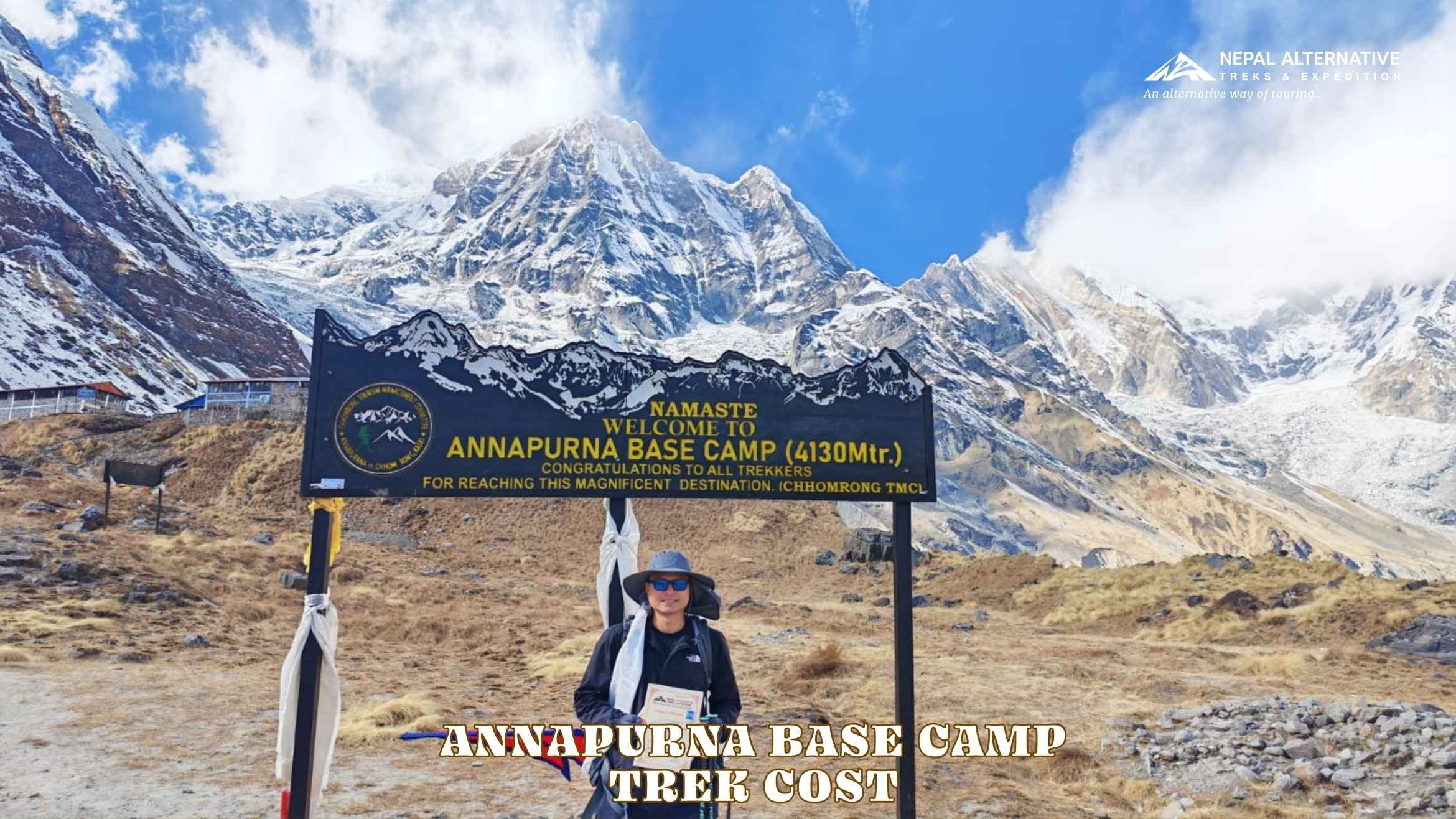
Annapurna Base Camp Trek Cost
As you’ve reached this blog, you have likely already planned to trek to Annapurna Base Camp and are now looking for the exact cost to make it happen. So, how much does it cost to do the Annapurna Base Camp Trek? On average, the Annapurna Base Camp Trek costs between USD 530 and 590, which covers most of the trek expenses from permits, accommodation, food, guide and porter services, and transportation.
However, the truth is, the Annapurna Base Camp Trek cost is not fixed and depends on your travel style, duration, and the level of comfort you choose. Similarly, what makes the ABC trek unique is its flexibility, which lets you adjust your spending without missing out on any experiences. Besides, understanding the trek’s cost breakdown, hidden charges, and key factors affecting your expenses is essential before starting your journey, and that’s what this blog is all about.
Table of Contents
Total Cost of ABC Trek (Quick Overview)
Average Total Cost: USD 530-590
Permit (ACAP): USD 23-25
Accommodation (Teahouses): USD 5-15 per night
Food & Drinks: USD 20-35 per day
Guide Cost: USD 25-35 per day
Porter Cost: USD 15-25 per day
Transportation (Kathmandu-Pokhara-Nayapul): USD 30-100 (depending on vehicle/flight)
Trekking Duration: 7-12 days (affects total cost)
Extra Expenses (WiFi, hot shower, charging): USD 5-10 per day
Travel Insurance: USD 50-150
Annapurna Base Camp Trek Cost Breakdown
It is important to understand where your money goes and why costs change along the Annapurna trail. From transportation choices to daily meals in the mountains, every part of your trek determines your total expenses. Below is the detailed cost breakdown that shows the cost and explains what you’re actually paying for:
Transportation Cost
Transportation costs vary from USD 30 to 100, depending on your preferences for time, comfort, and budget. To start the journey to Annapurna Base Camp, you must reach Pokhara, the gateway to the Annapurna region. To get to Pokhara, you have different options. If you’re on a budget, a tourist bus is the most affordable option, though it takes around 6 – 8 hours.
On the other hand, flights are much quicker (about 25 minutes), but they cost more. From Pokhara, you’ll need to reach the trek’s starting point, such as Nayapul, Jhinu Danda, or Sudame. Local jeeps or buses are cheaper but less comfortable, while private jeeps are faster and more convenient, especially if you’re traveling in a group.
The view from Chhommrong
Transportation Route
Cost (USD)
Kathmandu to Pokhara (Tourist Bus)
10 – 30
Kathmandu to Pokhara (One-way flight)
80 – 120
Pokhara to Trek Starting Point (Nayapul/Jhinu/Sudame by local bus/jeep)
10 – 25
Pokhara to Trek Starting Point (Private Jeep )
80 – 120
Accommodation and Food Costs
On the Annapurna Base Camp trail, your daily expenses mainly go toward accommodation and food. For the full trek, expect around USD 200-400 for both. Teahouses are the common option for food and accommodation in the region, so you can’t spend on luxury accommodation along the trekking route, even if you want to.
Interestingly, accommodation is quite cheap because teahouses earn more from food. However, the cost of transporting supplies increases with altitude. That’s why meals become more expensive as you go higher.
Accommodation: USD 5-15 per night
Food: USD 20-35 per day
Guide and Porter Charges
Hiring a guide and porter for the Annapurna Base Camp Trek is optional but highly recommended. If you travel in a group, the cost of hiring a guide and porter is lower, but if you want a personal one, the cost will be higher. For a 10-day trek to Annapurna Base Camp, the guide and porter can cost USD 150-350+, depending on your choice.
Guide: USD 25-35 per day
Porter: USD 15-25 per day
Annapurna Conservation Area Permit
Trekking to Annapurna Base Camp requires one mandatory permit, the Annapurna Conservation Area Permit. Earlier, the Trekkers’ Information Management System (TIMS) Card was also needed, but it is no longer required, reducing the permit’s cost.
Nationality
Cost Per Person (USD)
SAARC Nationals
6-7
Foreign
20
Hidden Costs to Consider
Hidden costs are those expenses that trekkers don’t think about before starting the trek, but end up paying along the way. In the Mountain region, including at Annapurna, services such as phone charging, hot showers, or WiFi are not included in the package cost. These additional expenses can add up to around USD 50–120 or more. These costs may seem small individually, but over several days, they can increase your total budget to Annapurna Base Camp Trek.
7 Days Annapurna base camp trek Most incredible experience seeing the Himalayas of Nepal with the most beautiful, kind, company! They assisted in every way possible and sought aid whenever possible throughout our trip, even when our trek had been completed! As two young females travelling together, we always felt…
Good support and service with the good team From the first contact with Pak Tej, the response was fast and informative and during the trip, with a very helpful guide and porter until the end of the trip, the service provided by Pak Tej n team was extraordinary Thank You…
Fantastic trip I went alone to Nepal and I do not regret! I called the agency Alternative Trecks, arriving on site everything was very well organized. Tej the Agency Director is a great professional, very serious and friendly. I was lucky enough to leave with a great Kiran Mountain Guide,…
Namaste I really can’t Thank you enough for organizer Tej and my guide Andrea, and for everything they arranged for me to make this trip run smoothly. I made a mistake of calculating the dates of traveling and there was also a delay issue due to poor weather. But both…
Exactly what we hoped for, and more My partner and I booked our 7 day private guided trek to Annapurna Base Camp in early April of 2025. We wanted to be able to enjoy the scenery, the different sights and experience at our own pace and we got exactly that…
Factors Affecting the Annapurna Base Camp Trek Cost
The cost of the Annapurna Base Camp (ABC) Trek is not fixed because it depends on several personal and external factors. Suppose you and other trekkers are doing the same ABC Trek, but you and others will end up spending very different amounts based on individual choices, preferences, and timing. So, what factors affect the cost of the Annapurna Base Camp Trek? Here’s the detailed information:
Group Size
Group size is a significant factor that determines the overall cost of the Annapurna Base Camp Trek and even the Annapurna Circuit trek. If you’re trekking in a group, many expenses such as guides, porters, and transportation can be shared. On the other hand, if you’re trekking solo, you’ll have to bear the full cost yourself, which makes the trek expensive. In simple terms:
Larger group = lower cost per person
Solo trek = higher individual cost but more flexibility
Trek Duration
The number of days you spend on the ABC trek directly impacts your total cost. The longer you take the journey, the more you will spend on food, accommodation, and daily expenses. However, a longer itinerary may give you better acclimatization and a more relaxed experience. Still, it will increase the budget, which won’t suit tight-budget trekkers.
In general, more days mean higher spending on meals, accommodation, and guide or porter wages. Keeping your itinerary shorter can reduce costs, but it may also make the trek more physically challenging.
Type of Trek
Another big cost factor of the Annapurna Base Camp Trek is the type of trek you choose. If you prefer a budget or independent trek, your cost will be lower because you won’t need to pay for a guide or porter, and some of the fees to trekking agencies will be reduced. However, you have to manage everything for yourself, including booking of transportation and teahouses, carrying your own bag, and handling all logistics.
However, if you choose a guided trek, it includes a trek guide and possibly a porter. On the trek, your guide will handle all the logistics, including any additional costs, for greater safety and convenience. In addition, you can choose a luxury trek, which includes all logistics and adds comfort for a more luxurious experience. Your trekking style can easily change your total cost from USD 500 to 1,200+.
Season of Trekking
The time of the year you choose to trek to the Annapurna region also affects the cost of the journey. If you trek during the peak seasons (spring and autumn), the cost of trekking will be higher across flights, guides, and accommodation due to high demand.
On the other hand, if you are an experienced trekker, you can opt for off-season trekking (summer/monsoon and winter), the cost will be lower, and you can negotiate better deals. Off-season trekking costs 10-20% less than in peak season.
Customization of Trek
Customization of the trek is how you want to personalize your Annapurna trekking experience. If you want to customize your trip with more comfortable options, these options directly impacts your overall cost. Every upgrade on the itinerary increases your trek cost while adding extra comfort, i.e, the more you customize, the higher your cost will be. For example,
You might choose: A private jeep instead of a local bus
A flight instead of road travel
Better rooms or upgraded teahouses where available
Annapurna Base Camp Trek Cost for Different Budgets
One of the good things about the Annapurna Base Camp Trek cost is its flexibility. So, trekkers can choose to experience the journey within their budget, letting everyone enjoy its beauty. Whether you’re a backpacker, a comfort seeker, or someone looking for a premium experience, the Annapurna Base Camp Trek has an option for everyone.
Budget Trek Cost
Cost Range: USD 360-420
Duration: 7-10 days
Includes: Basic accommodation, meals, permits
A budget trek is perfect if you want to experience ABC without spending too much. Generally, the option is chosen by solo travelers or backpackers who are comfortable managing things on their own. In this travel style, trekkers stay in basic teahouses, eat simple meals, and skip hiring a guide and porter.
However, the budget trek can also include the services of a guide and porter, but it is fast-paced. A fast journey means fewer days of trekking and, eventually, lower accommodation and meal costs. Besides, the budget trek to Annapurna Base Camp gives you freedom and saves money, but requires good planning and trekking experience.
Standard Trek Cost
Cost Range: USD 530-590
Duration: 8-10 days
Includes: Guide, porter, permits, teahouse accommodation, 3 meals per day, and overland transportation
A standard trek to Annapurna Base Camp is the most popular choice among trekkers. This trek package combines a good balance between cost and comfort in order to make your journey smoother and more organized. Likewise, it is the best option for those seeking a stress-free, safe trekking experience without worrying about logistics, as their guide handles everything on their behalf.
Luxury Trek Cost
Cost Range: USD 1,000-1,400
Duration: 10-12 days
Includes: Private transport, better accommodation, full support team, flexible itinerary
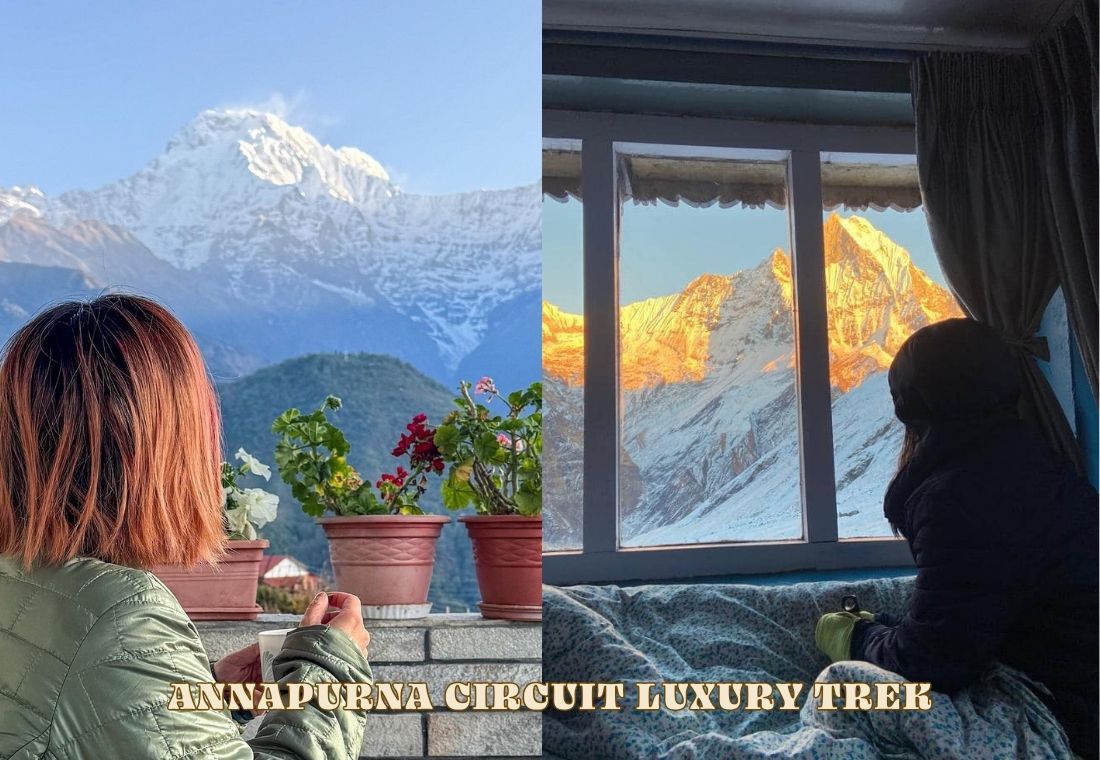
To those who want maximum comfort, better services, and a more personalized experience during the Annapurna Trek, the luxury option is ideal. Although ABC is a teahouse trek (so full luxury lodges are limited), trekkers can still upgrade their experience by choosing better rooms where available.
Luxury packages to Annapurna Base Camp can also include custom add-on options, which are expensive but make the trek more comfortable. Therefore, this option is best for those who prefer comfort, flexibility, and a stress-free premium experience.
Annapurna Base Camp Trek Cost vs Everest Base Camp Trek Cost
The ABC trek in the Annapurna range is known for being more budget-friendly than other Himalayan routes like popular Everest Base Camp trek. Unlike EBC, which needs expensive mountain flights and higher logistics costs, the ABC is more easily accessible by road. Below is a quick cost comparison of these two treks.
Elements
Annapurna Base Camp (7-10 days)
Everest Base Camp (12-14 days)
Permits
ACAP (USD 20)
Khumbu Entrance & Sagarmatha Permit (USD 50 – 60)
Transport
USD 30 – 100 (Bus/Jeep to trailhead)
USD 350 – 450 (Return Lukla flight)
Daily Meals
USD 20 – 35
USD 30 – 60 (Higher altitude prices)
Daily Lodging
USD 3 – 15
USD 10 – 30
Licensed Guide
USD 25 – 35 per day
USD 30 – 40 per day
Porter (shared)
USD15 – 25 per day
USD 20 – 25 per day
Extra Services (hot showers, wifi..)
USD 2 – 5 per item use
USD 3 – 10 per item use
Total
USD 360 – 590
USD 1,040 – 1,100
How much extra budget should I keep for emergencies during the trek?
It is best to keep an extra emergency budget of around USD 200 to 500 in cash or easily accessible funds while trekking in the scenic Annapurna region. This handles small but unexpected situations such as minor illness, injury, or needing an extra night on the trail due to weather or delays. It can also cover basic needs like medicines or replacing small gear if something gets lost or damaged on the way to places like Machhapuchre Base Camp.
In case of altitude sickness or other health problems at higher elevations, this buffer can also help with quick decisions like hiring transport back to a lower village. However, for emergencies such as serious medical issues or helicopter rescue, you should always rely on comprehensive travel insurance, as these costs can be very high and cannot be covered by cash alone.
ABC Trek Cost by Season
The cost for Annapurna Base Camp Trek in Nepal fluctuates based on teahouse availability and transport demand. Prices are highest during peak seasons like spring and autumn due to good weather, while off-peak seasons(Winter and Monsoon) are cheaper with almost 15–25% discounts on accommodation. Let’s have a clear look at it.
Season
Accommodation Cost (per night)
Approx. Total (7–10 Days)
Market Trends
Spring (Mar-May)
USD 5 – 15
USD 360 – 590
High demand, rhododendrons bloom, flights to Pokhara cost USD 20–40 more.
Autumn (Sep-Nov)
USD 5 – 20
USD 360 – 590
Peak package prices, early booking (2–4 months) required
Winter (Dec-Feb)
USD 5 – 10
USD 340 – 500
Prices drop 10–20%, extremely cold (–15°C)
Monsoon (Jun-Aug)
USD 3 – 10
USD 330 – 490
Lowest rates, 30–50% teahouse discounts and fewer trekkers
What Are the Most Expensive Items to Budget for ABC Trek?
When planning a trek in the Himalayas like the Annapurna Sanctuary Trek (also known as the Annapurna Base Camp trek), the most expensive costs come from trekking gear. The “big four” items: trekking boots, a warm down jacket, a sleeping bag, and a backpack can take up a large part of your budget. If you buy high-quality international brands, each item can cost between USD 200 to 500.
However, you don’t always need to buy everything new. Many trekkers save money by renting gear in Kathmandu and Pokhara or choosing local Nepalese brands, which can reduce costs by up to 70%. Since the conditions in the Himalayas can be cold and changeable, investing in good-quality items or renting trustworthy gear is important for comfort and safety. But smart choices can make the overall cost much more manageable.
Cost-Saving Tips for Annapurna Base Camp Trek
Start your trek from Jhinu or Siwai instead of Nayapul to save money by skipping a day of food and accommodation costs.
Choose dal bhat on the ABC trail to save money, as its free refills keep you full longer and reduce the need for extra snacks.
Carry a water purification tablet to avoid buying bottled water daily to save around USD 20–40 or more during the trek, while staying hydrated.
Charge your devices during meals or in lower villages where it’s free or cheaper to reduce charging costs at higher elevations.
Share a guide or porter with other trekkers to reduce your individual cost while still getting support, safety, and local knowledge.
Skip paid WiFi on the ABC route and use a local Nepal SIM with data to avoid charges for poor internet connections.
Bring snacks from Pokhara to avoid high-altitude prices and reduce your daily extra spending during the trek.
Pack light to avoid hiring a porter, which can save you around USD 150–250.
Choose a safe off-season time to trek the Annapurna Sanctuary to benefit from lower demand and reduced prices for guides, accommodation, and transport.
Conclusion
The Annapurna Base Camp trek is a unique Himalayan journey that comes with a combination of affordability and incredible experience. Whether you choose a budget trek or a luxury one, all you get in return is mountain views, Himalayan culture, and varied landscapes. In the end, it’s not about how much you spend, but about how you experience the journey as a whole.
Annapurna Base Camp Trek Cost FAQs
Can I use credit cards on the trail?
No, once you leave Pokhara, the trek route operates only on cash payments. You must withdraw enough Nepali Rupees (NPR) in Pokhara or Kathmandu to cover all food, lodging, and extras like charging and hot showers.
Does it cost to visit the natural hot spring in Tatopani during the ABC trek?
Yes, it costs around NPR 100–200 (about USD 1–2) per person, which is collected locally at the site. This fee gives you access to the hot spring pools, where trekkers relax after long days on the trail.
Does the high avalanche risk of the mountain increase my insurance cost?
Yes, Mount Annapurna I is the 10th highest mountain in the world and is considered one of the most dangerous 8,000 m peaks. While the trek to Annapurna Base Camp is safe, the steep slopes around it make the area high-risk in the eyes of insurance companies.
Amar Gurung is experienced for 10 years as a trekking guide from Nepal alternative treks. He was born on the border of Tibet and Nepal Ganesh Himal ruby valley region. He has been specialized for guiding in off the beaten trekking trails as Makalu base camp, Kanchanjunga, Manaslu, Ruby valley, Tsum valley, Nar Phu valley, and Mustang but as well as he is expert in classical trekking routes.
Let our local mountain experts craft a personalized itinerary around your schedule, fitness level, and travel goals — safe, authentic, and rooted in Nepal Alternative Treks’ trail experience.
Need assistance? Our travel expert Tej Bahadur Gurung is here to help! Please fill out the form below to initiate a chat and get your queries resolved quickly.



 Australia5.0 /5
 Indonesia5.0 /5