Safety update: our trekking groups are safe, and our routes are running as planned. Read full flood notice.

Safety update: our trekking groups are safe, and our routes are running as planned. Read full flood notice.
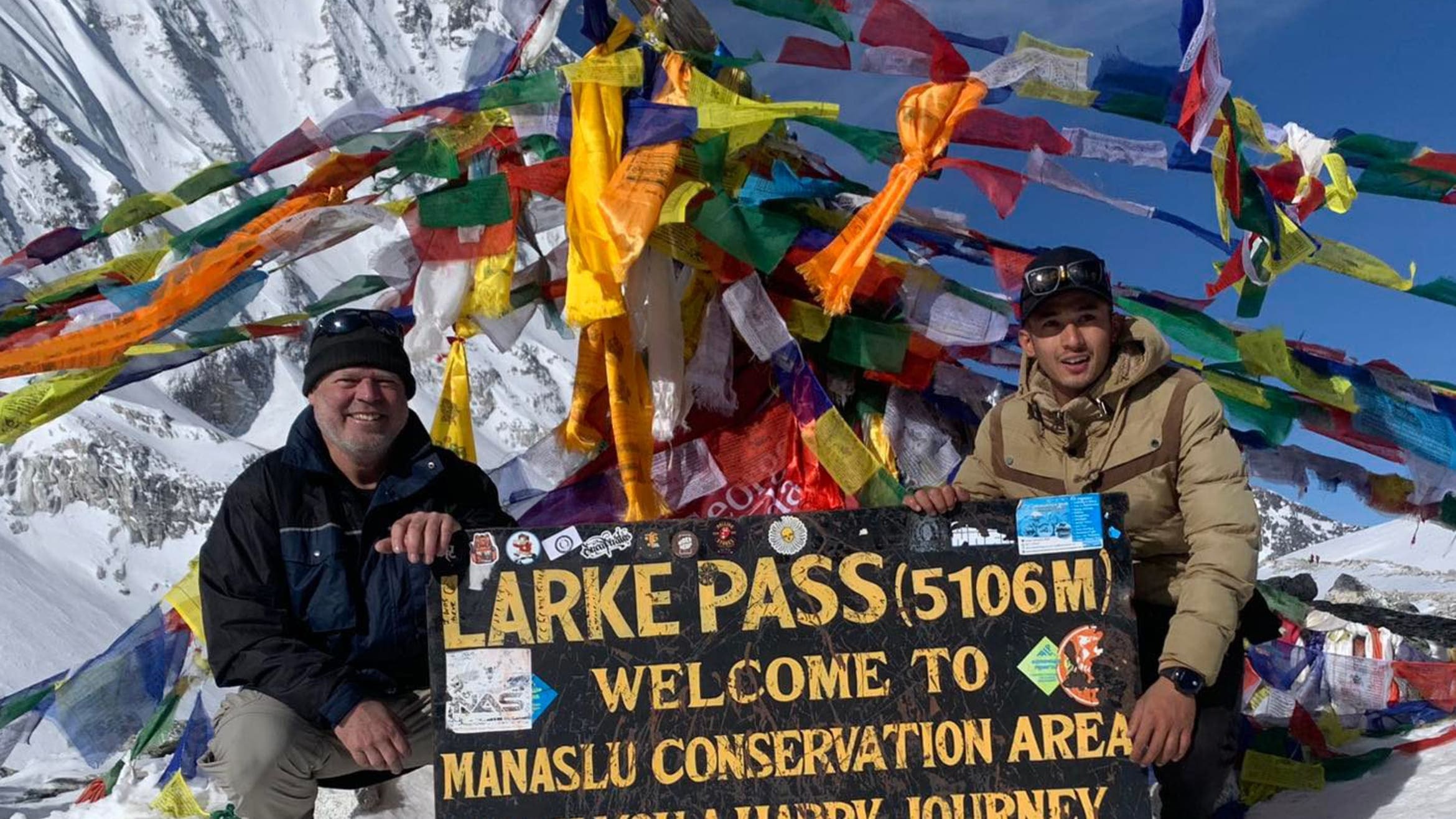
Planning your Manaslu Himalayan adventure starts with understanding the required permits and costs. The Manaslu Restricted Area Permit (RAP), the Manaslu Conservation Area Permit (MCAP), the Annapurna Conservation Area Permit (ACAP), and the Chumnubri Rural Municipality Fee are the necessary permits for the Manaslu Circuit Trek. Moreover, the total cost of the Manaslu Circuit Trek ranges from USD 700 to USD 760 per person for 2026. However, the cost varies based on your travel style, itinerary length, and level of comfort.
Unlike more commercial routes, the Manaslu Circuit offers a less crowded trek route and experience, but that comes with stricter regulations. The Government of Nepal has declared 15 trekking regions as restricted areas, including the Manaslu region. The restricted area begins at Jagat and extends to Dharapani. Trekkers must obtain a Manaslu Restricted Area Permit (RAP) to travel through this section. The permits are not just formalities; they preserve the region’s ecosystem, support local communities, and ensure trekkers’ safety.
Whether you are a budget backpacker or seeking a premium guided experience, understanding the cost structure and permit system helps you plan better and avoid surprises on the trail. From paperwork to park fees, everything is part of the journey. In this blog, we have clearly broken down all the costs involved. Let’s go through them step by step.
Since the Manaslu region is a restricted area, the Government of Nepal has made special rules to protect nature and local villages of the area. To keep the trek safe and fair, trekkers must obtain the Manaslu Trek permit. At present, four permits are required for the Manaslu Circuit Trek: the main three permits and the local municipality fee.
Extra: A TIMS card is not required for the trek in the Manaslu Circuit at this time. If you plan to trek in the Tsum Valley or do the Manaslu Tsum Valley Trek, you will need a Tsum Valley Permit as well.
The RAP, also known as a special permit, is what keeps the Manaslu region less crowded than Everest or Annapurna. The RAP is required for travel through the restricted area between Jagat and Dharapani.

Moreover, trekkers cannot obtain this entry permit on their own. It must be issued by the Department of Immigration in Kathmandu through registered trekking agencies. The cost of the Manaslu RAP varies by trekking season. Here’s the permit cost details:
| Season | Cost |
| Autumn (September – November) | USD 100 for the first 7 days + USD 15 for each additional day |
| Winter, Spring, Summer (December – August) | USD 75 for the first 7 days + USD 10 for each additional day |
The permit is non-transferable and valid only for the specific dates on your itinerary. The 7 days are counted from Jagat, not Kathmandu, and if you plan side trips, such as Tsum Valley, your agency will arrange other permits on your behalf.
The Manaslu Circuit Trek route lies within the Manaslu Conservation Area. Hence, trekkers also need a Manaslu Conservation Area Permit (MCAP), necessary from Philim onwards. The funds collected from MCAP are directed to biodiversity conservation, trail maintenance, and community development projects in the Nubri Valley. This way, your trek protects nature and improves the lives of people along the trail. The cost of MCAP is:
| Nationality | Fee |
| SAARC citizens | NPR 1,000 per person |
| Other nationals | NPR 3,000 per person |
There is no daily fee for this permit, and once issued, it is valid for your entire trek. The fee also supports homestay training programs, meaning you directly contribute to local villagers who welcome trekkers into their homes. Additionally, MCAP officers may check for single-use plastics along the trail, so it’s a good idea to carry a reusable water bottle and a purifier.
The Manaslu Circuit Trek joins the Annapurna region at Dharapani, which means you also need an Annapurna Conservation Area Permit (ACAP) to pass through. Even though you’ll only spend a few days inside the Annapurna Conservation Area, this permit is still compulsory at the Dharapani checkpost.
| Nationality | Fee |
| SAARC citizens | NPR 1,000 per person |
| Other nationals | NPR 3,000 per person |
Like MCAP, ACAP is a flat fee with no time restrictions. Having an ACAP permit also means you can extend your trek to routes such as the Annapurna Base Camp, the Annapurna Circuit Trek, or Tilicho Lake without extra paperwork. Additionally, online payments include a 2.9% gateway charge, and double fees apply if the permit is issued at a check post.
This is the most recent required added part of the Manaslu Circuit permit. This fee is collected and retained locally by the Chumnubri Rural Municipality. It is checked at the Jagat area of ward 3 in Chumnubri, where trekkers must pay the permit fee. Both Nepali and foreign trekkers need to get this permit.
| Nationality | Fee |
| Foreigners | NPR 1,000 per person |
| Nepali citizens | NPR 200 per person |
Payment is made in cash at the entry checkpoint, and the funds are used for waste management, basic healthcare posts, and bridge repairs in villages like Jagat and Deng.
The Department of Immigration (DoI) recently announced important amendments to the Restricted Area Trekking Permit policy. They have made three major changes:
The Manaslu RAP costs around USD 100 per week during peak season, and this high fee helps control the number of trekkers in the region and protect its environment. By keeping permit prices high, the government and Nepal Tourism Board plan to avoid overcrowding, as seen on popular routes such as Everest and Annapurna. Fewer trekkers mean less waste, less pressure on local resources, and a cleaner and more peaceful trail.
Another reason for the high price is to protect the culture and manage the border area. The Manaslu region, including Tsum Valley, has preserved Tibetan Buddhist traditions for centuries, and the permit system limits visits to serious trekkers only. The trail also runs close to the Tibetan (Chinese) border, so part of the fee supports monitoring and safety systems.
A portion of the Manaslu permit fee supports local development through conservation projects, including trail maintenance, teahouse support, and wildlife protection. Also, higher permit fees help protect the environment and promote responsible tourism.
The Manaslu Circuit Trek is in a remote region of Nepal, and the region’s economy is based on tourism. Likewise, the permit fee helps support village development, infrastructure, healthcare, and education within the region. Maintaining trails, bridges, checkpoints, and other essential services has also been directly impacted by Manaslu permit fees.
The Manaslu Circuit Trek ranges from USD 700 to 760 per person for a 12-day trip, depending on your travel style, group size, and the season you choose. The cost covers most of your trip expenses, including permits, guides, porters, ground transportation, accommodation, and meals during the trek. On top of that, budget an additional USD 500-800 for insurance, gear, tips, and personal expenses, which brings your total to about USD 1,200-2,300.
Here is a detailed breakdown of the Manaslu Circuit Trek cost:
| Expense Category | Cost (USD) | Details |
| Permits | USD 130–200 | Varies by season (Peak vs. Off-peak) |
| Licensed Guide | USD 300–400 | USD 25 – 35 per day |
| Porter (Optional) | USD 240–300 | USD 20 – 25 per day (carries up to 10-20kg) |
| Food & Drinks | USD 200–340 | USD 25 – 35 per day for 3 meals |
| Accommodation | USD 70 – 120 | USD 5 – 12 per night in teahouses |
| Transportation | USD 60 – 200 | USD 30–50 (Bus) or USD 200+ (Private Jeep) |
| Gears (Rent or Buy) | USD 80 – 400 | Renting is the best option |
| Travel Insurance | USD 100 – 200 | Must include high-altitude helicopter rescue |
| Personal Expenses | USD 100 – 200 | Wi-Fi, hot showers (USD 2-5 each), tips |


The 2026 update from the Department of Immigration (DoI) has changed the cost of the Manaslu Circuit for solo travelers. Earlier, solo trekkers had to pay for a second (dummy) permit or join a group. Now, you can get a permit as a single traveler, but you must be accompanied by a licensed guide and a registered agency. Here’s what solo travelers need:
| Expense Item | Solo (Independent + Guide) |
| Permits | USD 200 (100% borne by you) |
| Licensed Guide | USD 300 (USD 25 /day) |
| Meals & Tea | USD 360 (Pay-as-you-go) |
| Accommodation | USD 80 – 120 (USD 8–10/night) |
| Transportation | USD 20 – 40(Local Bus – Round trip) |
| Agency Service Fee | USD 50 – 100 (Permit processing and document management) |
| Porter (Optional) | USD 240 (USD 20/day) |
| Estimated Total | USD 1,050–1150 |
Solo travelers need to pay an extra USD 300–440 because all costs, transportation, guide, porter, and accommodation are not shared.
The cost of the Manaslu Circuit Trek in 2026 varies depending on seasonal pricing for the Restricted Area Permit (RAP) and other factors. Let’s have a clear look at it.
| Factor | Autumn (Sept–Nov) | Spring (Mar–May) | Winter & Summer |
| RAP Permit (1st Week) | USD 100 | USD 75 | USD 75 |
| Extra Day Fee (RAP) | USD 15 / day | USD 10 / day | USD 10 / day |
| Total Permit Cost (Est.) | ~USD 205 | ~USD 145 | ~USD 145 |
| Package Price Range | USD 700 – 760 | USD 650 – 700 | USD 600 – 650 |
Even with the guide and restricted permits, you can significantly lower your expenses by making smart logistical choices. Here are the most effective ways to save money:
As it is mandatory to hire a guide for Manaslu Circuit Trek, you can’t trek without them. However, you can reduce their cost by sharing them among other trekkers. A licensed guide charges around USD 30–35 per day, regardless of how many people they lead, so it is a good move to share a guide to save money on the Manaslu Trek. Sharing your guide can save you around USD 300, depending on how many trekkers you share it with. But remember that, under the new rules and regulations, one guide can lead only 7 trekkers.
Getting to the starting point of the Manaslu Circuit Trek, Maccha Khola is one of the first major expenses you’ll face, and it’s one of the easiest to cut. To reach Maccha Khola from Kathmandu, you can take a private jeep or a public bus. If you choose a public bus, you’ll save over USD 150 per person.
Small purchases like bottled water, snacks, and phone chargers add up quickly to the cost of the Manaslu trek, faster than most trekkers expect. So, carry items like water purification tablets, a power bank, and wet wipes so you can avoid buying bottled water, paying for charging, and taking hot showers.
The Manaslu Restricted Area Trek Permit costs vary by season. Among the two peak seasons (spring and autumn), spring costs USD 15 less for RAP. In spring (March to May), the RAP costs USD 75 for the first seven days, and during autumn (September to November), the permit costs USD 100. It saves around USD 50 on a 12-day trek.
Dal Bhat is the best budget meal on the trail, and it is nutritious, healthy, and cheaper than other options. At USD 4-6 per plate compared to USD 8-12 for pasta or noodle dishes, eating Dal Bhat twice a day instead of western alternatives can save you USD 50-80 over a two-week trek without any sacrifice in energy or nutrition.
The Manaslu Circuit Trek in 2026 is one of Nepal’s underrated journeys. At just USD 700-760, you can experience the raw beauty of this lesser-known area, unspoiled by modern development. Among the expenses of the Manaslu trek, the necessary permits account for a significant portion of the cost. Understanding every permit, fee, and expense category before you book your trek is key to budgeting your Manaslu Circuit adventure. Furthermore, proper budgeting will ensure that your adventure around Nepal’s eighth-highest mountain is both memorable and worthwhile, with perfect value for your money.
Need assistance? Our travel expert Tej Bahadur Gurung is here to help! Please fill out the form below to initiate a chat and get your queries resolved quickly.