

Top 3 Challenging Treks in Nepal
Trekking in Nepal is beautiful and a journey of a lifetime. However, before starting your adventure, determine which grade your trek falls under. The adventure in Nepal is not all smooth, as some even test your strength and spirit, and are suited only to those who have a pure mountain passion. Among countless trails, a few of them are truly challenging and a few demand both physical and mental fitness.
Nepal’s Himalayan region, especially the Everest, Dolpo, and Kanchenjunga areas, has the most challenging treks. At the same time, these regions are also the most popular among adventure seekers because they offer unmatched views of the world’s highest peaks, raw beauty, and unique cultural experiences. Moreover, high altitude is the major reason that makes the challenging trek tough. Additionally, the long and steep trails, remote and isolated routes, and technical sections along the way make those treks challenging.
However, the challenges mentioned earlier are what make the journey unforgettable. Trekkers choose these routes not just because they are difficult, but because they offer a meaningful personal challenge, want a feeling of achieving something big, and those who prefer to walk where only a few dare to go.
In this category page, we’ll discuss the top 3 Challenging Treks in Nepal. From the mighty Khumbu to the wild Dolpo Valleys and the less-traveled Kanchenjunga wilderness, Nepal’s challenging treks promise adventure at every step.
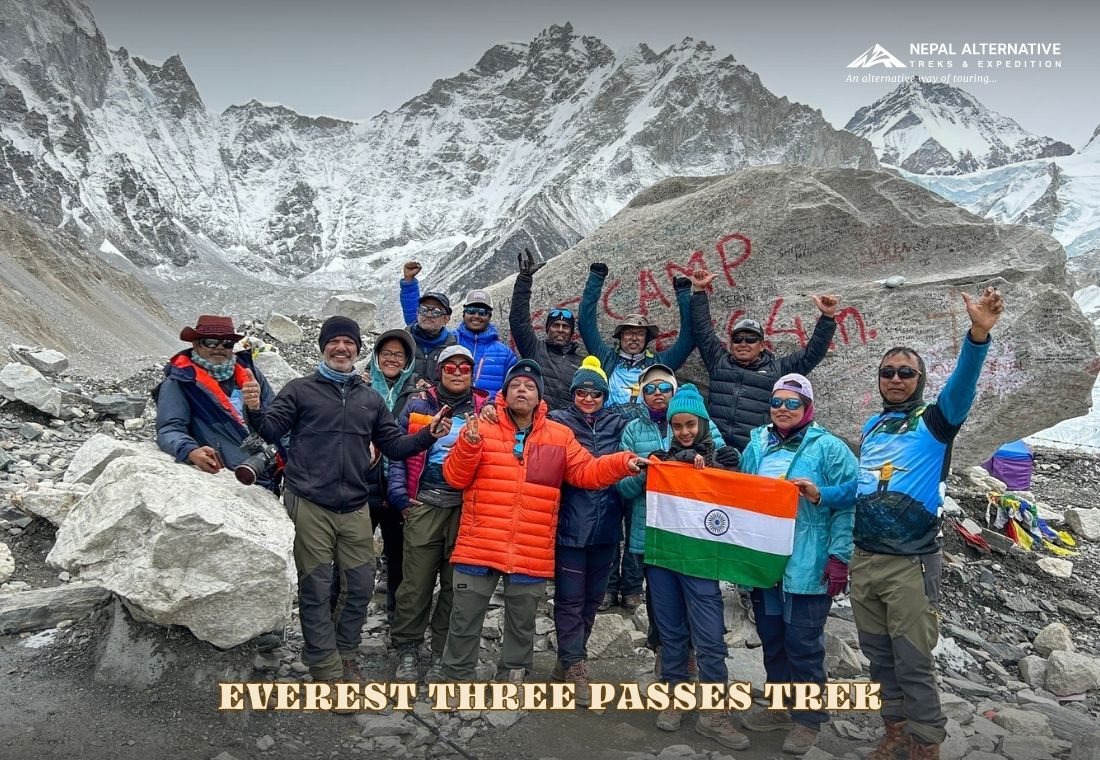
16 Days Strenuous Everest Three Passes Trek
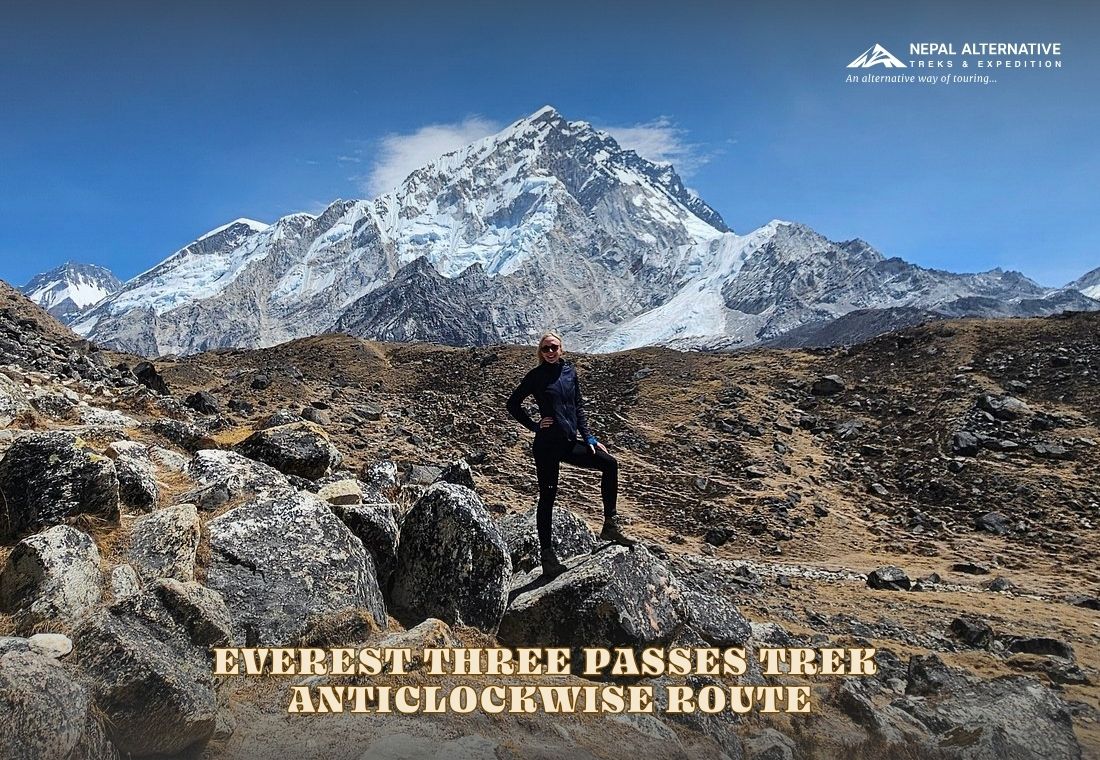
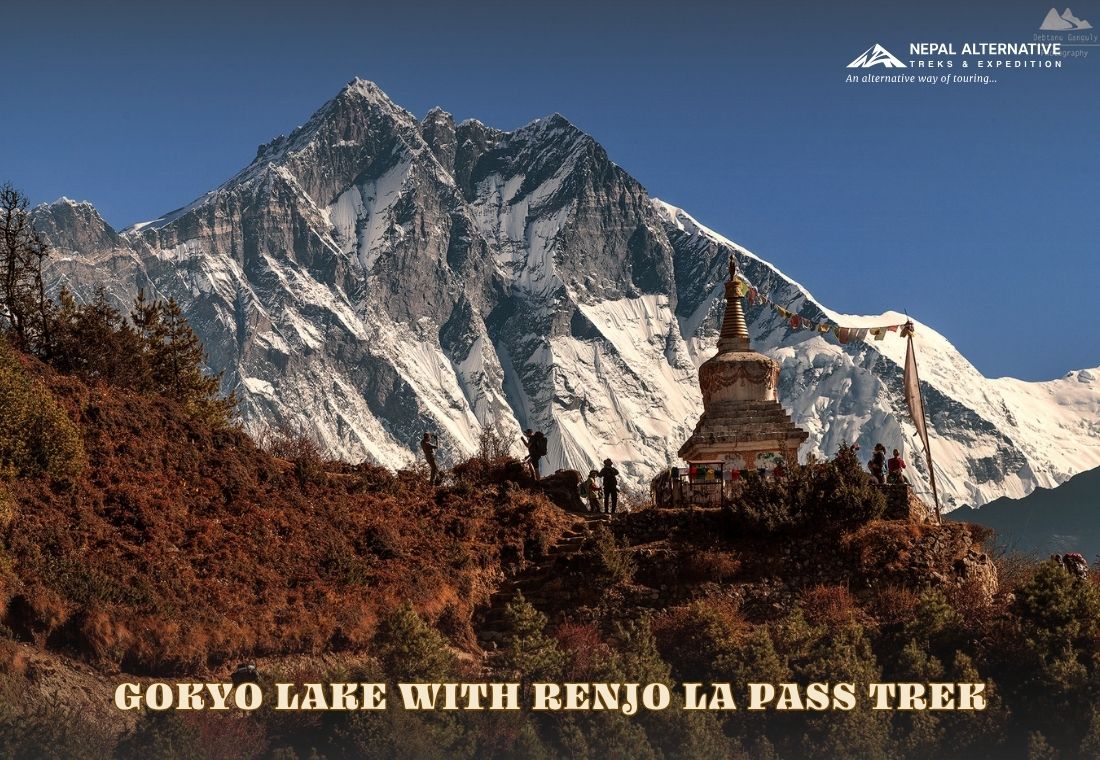
The Everest Three Passes Trek is one of the most challenging yet rewarding adventures in the entire Everest region. The journey takes around 16 days and takes you across three high mountain passes, including Kongma La (5,535 meters), Cho La (5,420 meters), and Renjo La (5,360 meters). Each of the high passes on this journey comes with toughness, along with offering stunning views of the Khumbu region.
The combination of extreme altitude, long walking days, and steep climbs makes the trek to Everest Three Passes strenuous. You’ll often spend 7-8 hours daily on the trail, cross icy paths, rocky terrain, and snowy sections, especially near the passes. Similarly, the thin air and lower oxygen make every step challenging. Another challenge on the journey includes a remote and rugged landscape. Additionally, the unpredictable weather also adds to the trek’s challenge.
Besides the challenge, the rewards of the trek are unforgettable. The trek gives you 360-degree views of Mount Everest, Lhotse, Ama Dablam, Cho Oyu, and Makalu from each of the passes. In addition, the Everest Three Passes Trek is for trekkers who want maximum adventure, maximum challenge, and maximum views within one adventure.
23 Days Challenging Upper Dolpo Trek
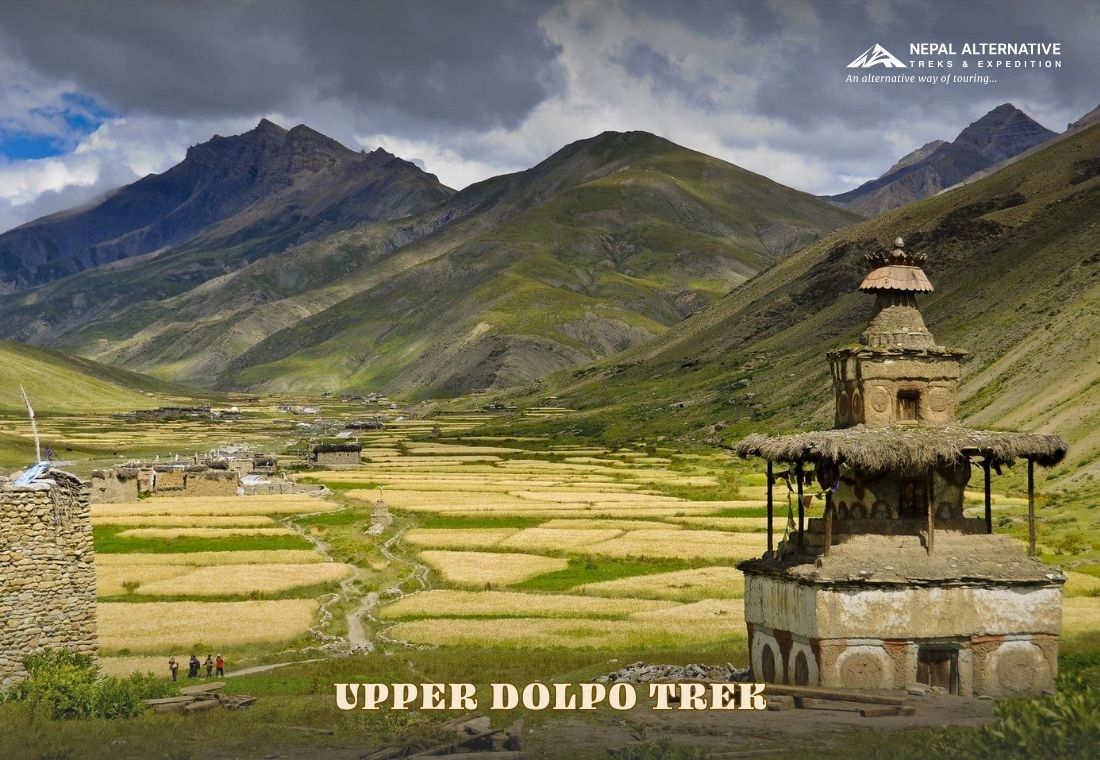
The Upper Dolpo Trek is one of Nepal’s most remote and challenging trekking adventures. The trek takes you into a hidden corner of western Nepal, located near the Tibetan border. Ancient culture, untouched landscapes, and a profound connection with nature are what make the trek an extraordinary experience. Similarly, the remoteness, limited lodges, and few human settlements makes the trek challenging.
The trek to Upper Dolpo also includes crossing several high passes, including Kang La (5,360 meters) and Shey La (5,000 meters). The combination of high altitude and minimal infrastructure makes the journey physically and mentally challenging. The weather can be another challenge of the trek as it changes unpredictably. However, as Dolpo lies in a rain shadow, days can be hot and dry, while nights become extremely cold.
Despite the difficulty, Upper Dolpo takes you closer to nature than ever. You’ll witness the crystal-clear Lake of Phoksundo, stunning canyon landscapes, and the unique Bonpo and Tibetan-influenced cultures. Therefore, the Upper Dolpo Trek is ideal for trekkers seeking a remote, fresh, and culturally rich Himalayan challenge.
13 Days Strenuous Kanchenjunga North Base Camp Trek
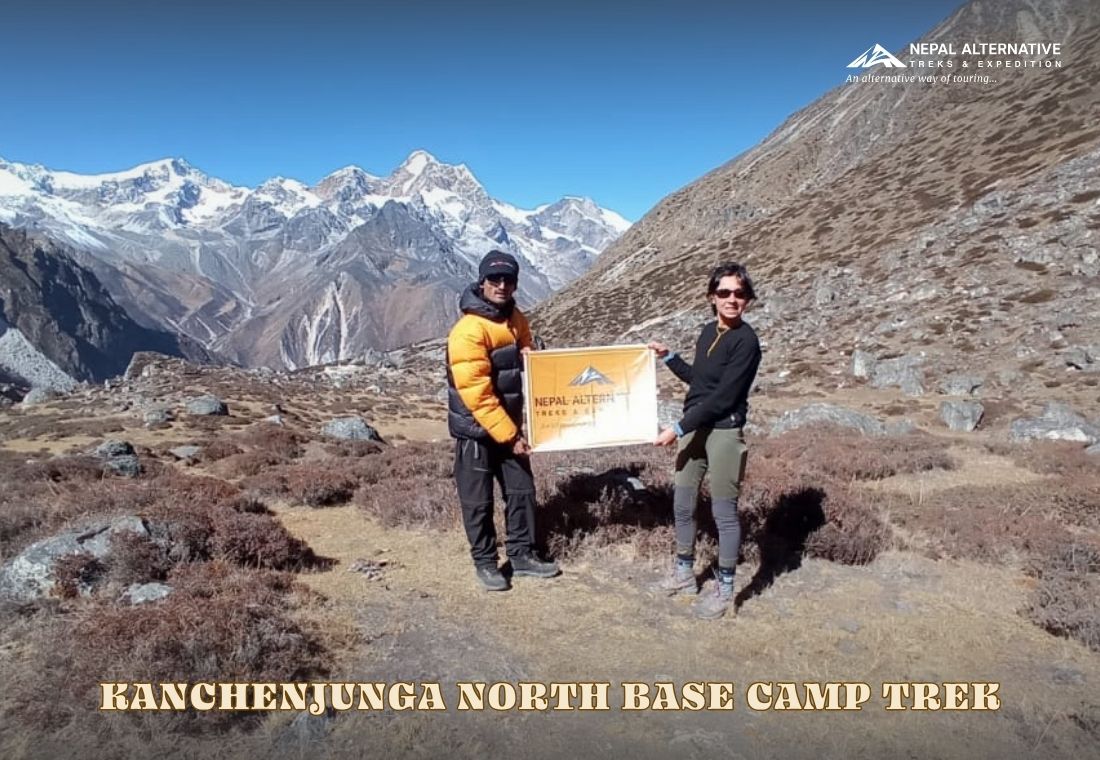
The Kanchenjunga North Base Camp Trek is another challenging journey in the eastern region of Nepal. The trek is renowned for its pristine, untouched deep forests and diverse landscapes, as well as its isolation. Far from a major tourist area, the route to Kanchenjunga North lies in Nepal’s least developed regions. Because the region is remote, supplies, facilities, and rescue services are limited; therefore, you must be well-prepared to face such an experience.
The high altitude is also a major aspect that adds to the challenge of the trek to Kanchenjunga South. The trek takes you to 5,143 meters at Pangpema (North Base Camp) where the air is thin and oxygen is low. Likewise, long trekking days through rocky slopes and glacial valleys make it difficult to climb.
But challenges in the Kanchenjunga North Trek come with a reward. The Kanchenjunga region offers stunning views of Kanchenjunga, Jannu, and massive glacier systems. Additionally, you can experience the unique culture that reflects the influence of the Limbu and Tibetan people. All in all, the trek suits those who want a remote high-altitude challenge with mesmerizing views at every turn.
What Is The Experience Level required For Challenging Treks In Nepal?
To be frank, challenging treks in Nepal are not recommended for first-time trekkers. When discussing a challenging route, ensure it includes high passes, long days of walking, thin air, and rough terrain. Thus, trekkers require more than basic fitness and experience to undertake such treks.
To complete the challenging treks in Nepal, you should have already trekked above 3,000-4,000 meters. Trekking already at high altitude helps your body to understand how it reacts to thin air, which is important on routes like the Everest Three Passes. Similarly, trekkers should be physically fit to walk for 6-9 hours a day on steep trails. Additionally, mental health is equally important for maintaining calmness, positivity, and patience throughout every step of the trek.
Additionally, you should be comfortable with basic or limited facilities, as most of the challenging treks lie in remote areas where the accommodations are simple teahouses or camping. Moreover, you should be able to handle changing weather conditions. You should know how to walk safely in windy snow or sudden temperature drops, for which you should be experienced.
However, if you are in excellent physical condition and mentally ready for challenges, you can go for challenging treks even if you are a first-time trekker.
Tips To Successfully Complete Challenging Treks In Nepal
- Start walking early each morning, as high passes often become windy or cloudy in the afternoons. Additionally, an early start provides safer conditions for the trek.
- Carry an extra pair of warm socks in your daypack, as crossing snowy or wet sections can soak your feet. Changing your footwear quickly after being in the snow helps to prevent frostbite or blisters.
- Learn how to pace your breathing by using the “one step, one long breath” method.
- Eat light but often, as small meals every few hours give steadier energy than heavy meals.
- Keep a “pass day” outfit to wear only when crossing high passes, as it helps to maintain your body heat.
- Sleep early and avoid staying up late to allow your body to recover more quickly at high altitudes.
- Keep your pace steady, not too fast, as fast walking increases the risk of altitude sickness and physical tiredness.