Are you planning to solo trek in Langtang Valley? Before making the decision, know the pros and cons of solo trekking in Langtang Valley. While trekking in Langtang Valley with a group or guide has its own charm, many trekkers are now drawn to the idea of going solo. Trekking solo, especially in Langtang Valley, is a unique experience for adventure lovers. Walking alone among the snow-capped peaks, along riverbanks, and forested sections gives a sense of peace and freedom that group treks may not offer.
However, trekking alone presents its own challenges. Without a guide or group, you must rely fully on your own planning and decision-making. In a remote area like Langtang, help may not always be readily available, which makes solo trekking particularly risky for inexperienced trekkers. Still, many solo trekkers find the experience deeply fulfilling.
Table of Contents
What does Solo Trekking in Langtang Valley mean?
Solo Trekking in Langtang Valley means trekking alone without a guide, porter, or organized group. But under Nepal’s new trekking rules and regulations (effective from April 2023), trekking alone is no longer officially allowed. According to the rule, the government of Nepal now requires all foreign trekkers to hire a registered guide to accompany them on their trek. This rule applies to most trekking areas of Nepal, including the Langtang Valley. As of 15 February 2025, Langtang National Park, in collaboration with Nepal’s tourism authorities, now requires all trekkers to be accompanied by a licensed guide.
Here’s the official notice issued by Langtang National Park on this aspect:
Therefore, while “solo trekking” traditionally meant hiking independently without anyone in your support, today, it means trekking only with a licensed guide, but with no groups and porters being optional. Still, some trekkers choose a completely alone trek, which is technically illegal and done at one’s own risk.
So, Is Solo Trekking Possible in Langtang Valley?
Solo Trek Langtang Valley
No, solo trekking while trekking completely alone is not possible in Langtang Valley. While it was possible previously, the rules have now changed, as already mentioned above. According to the 2023 rule by the Nepal Tourism Board (NTB), foreign travelers must hire a licensed guide or participate in an organized trekking group to trek in any destination in Nepal. Therefore, “solo” trekking in Langatng is possible but only with a personal guide.
Pros of Solo Trekking in Langtang Valley (With Guide)
Freedom To Enjoy Langtang’s Scenary
Going on a solo trip to Langtang Valley with your personal guide means having the freedom to move at your own pace and plan your day as you like. So, on the trek, you don’t have to wait for others or rush. Along the trek, you can stop to take photos, rest beside the river, or enjoy the view as long as you want. Thus, the solo Langtang Valley Trek allows you to follow your heart and enjoy each moment without worrying about anyone else’s schedule; instead, your guide will adjust to your pace.
Peaceful Langtang & Relaxing Atmosphere
Solo trek in Nepal, including at Langtang Valley, gives you a chance to enjoy your journey peacefully. Forests, mountains, and streams fill the Langtang region, which makes you feel relaxed and refreshed. In solo trekking, you can focus more on the sound of birds, flowing water, and the wind rather than the chaos of fellow trekkers while learning deeply about your surroundings through your guide.
An unforgettable experience! Me and my girlfriend had a great experience doing a 4 day trek to muldai view point. Our guide Ritika and porter Rahan were both ace – really attentive, happy to answer our constant questions and always positive – even when we were sheltering from hail the…
Восхитительный непальский дебют This is the first time we have been to Nepal for Manaslu Circuit Trekking. We were advised by Alternative Treks & Expeditions. We have never regretted it. The organization is at a high level, despite the democratic prices. I also want to express my gratitude to our…
UNFORGETTABLE experience. The team formed by Dawa (guide), Dorje, and Purba was unbeatable; they are great professionals and even better people. Everything was perfect. Without them, reaching the summit and the trekking would have been impossible. We were able to feel the warmth of the people of Nepal. Tej was…
It was a pleasure to hire the services of Nepal Alternative Treks & Expeditions Pvt. Ltd. The entire staff was very attentive at all times. The experience has been excellent.
Once in a lifetime experience. Bring plenty of snacks. Everything was organised very smoothly. The flights home from Luklea were cancelled and an alternative route was organised for us. Had such a great time!!
I’m very grateful to have had the opportunity to hike to Everest base camp with Nepal Alternative Treks. From the moment we arrived in Nepal until we left, Tej from Nepal alternatives was very helpful and welcoming, ensuring the trek ran smoothly. Our guide Tek was knowledgeable, friendly, and made…
What can I say, fantastic experience and totally manageable but not easy… sometimes it was a real grind but it’s only as hard as you want to make it. Tej, the owner-operator, was fantastic. He spent lots of time both before and after the trek with me, making sure I…
Our 23 day trek was a great experience in all aspects. Our trio consisting of my friend, our guide Nauser and me succesfully managed the whole trek. I can only recommend booking this option as we got to see the himalayas in it‘s fullest. Gej‘s briefing beforehand prepared us about…
I had a fantastic experience with Nepal Alternative Treks on the Poon Hill Trek. Everything was well organized, and our guide was friendly, knowledgeable, and very supportive throughout the journey. The sunrise view from Poon Hill overlooking the Annapurna and Dhaulagiri ranges was absolutely breathtaking and the highlight of the…
The whole trip was amazing from start to finish. It all started when our guide, Nauser Ghale, picked us up from our hotel in Kathmandu. Right away, he explained the plan for the trip. The daily routine was great. After breakfast, we started our trek to the next destination. We…
I cannot recommend Nepal Alternative Treks highly enough. To be honest, I’m not a hiker at all. When my girlfriend suggested a trekking vacation in Nepal, my first thought was, “You’re going to get me killed!” I had never done a trek in my life, and suddenly I was preparing…
We completed 12 day Everest Base Camp hike with local guide Saroj. We felt extremely safe and well looked after, the only thing we had to worry about was the walking and snacks! Everything else was sorted. Thank you Saroj and Taj! Highly recommend.
This is my 7th Nepal Alternative Treks trip. Fair price Professional guides and a great team. TEJ's coordination was excellent; we became close friends.
Tej and Nepal Alternative treks and Expeditions made the trip special and unforgettable experience. We’ve made a plan to Lantang or Manussalu route next year. And for sure, with Tej and his team again for their wonderful service and a friendships that extends beyond business.
Flexibility To Choose Trails Like Kyanjin Ri & Tserko Ri
Trekking solo also means getting full flexibility over your trip to Langtang. The solo trek with your guide allows you to customize your plan as per your needs and time availability. You can change your plan at any time, take rest days when needed, and stay in a village you love as much as you’d like. Also, there’s no pressure to follow a fixed plan or wait for others.
Personal Growth & Trekking Skills Development
One of the primary pros of solo trekking in Langtang is that it helps you to grow as a person. Rather than depending on others, you’ll learn to make decisions, solve problems, and depend on yourself. Overcoming small difficulties gives you a big sense of pride. Although you’ll have a guide by your side, you can make a decision first and then ask for the guide’s validation on whether you’re right or wrong. Moreover, by the end of the Langtang trek, you realize how capable you are.
Connection with Langtang’s Beautiful Nature
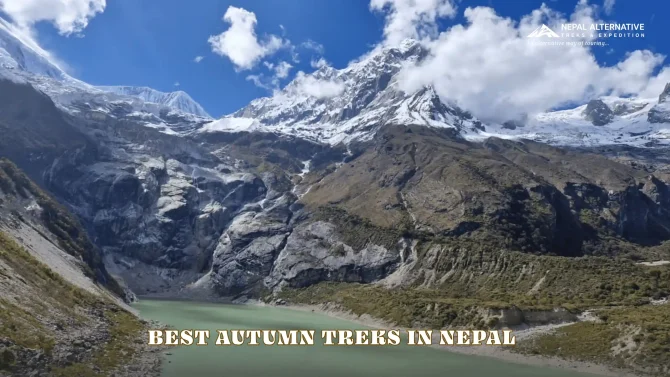
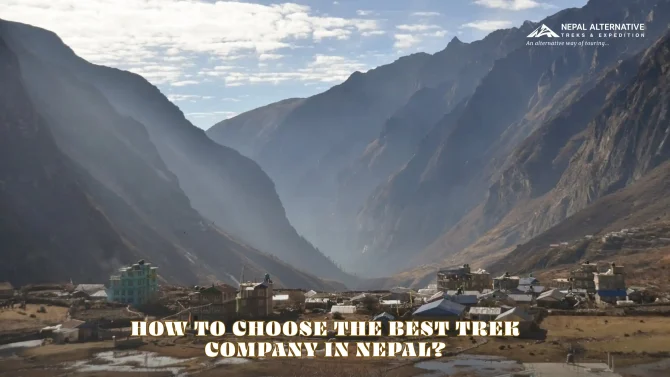
The Langtang Valley Trek route is renowned for its natural beauty, featuring snowy peaks, lush green forests, and crystal-clear rivers. Trekking alone in the region allows you to appreciate the beauty without distraction. You can start your day with a view of the rising sun and continue your day walking through a stunning landscape while listening to the sounds of water rushing and birds singing around you. And at the evening, enjoy the mesmerizing sunset. Thus, the solo trek connects you with nature at every step, making you appreciate the Earth’s beauty even more.
Cons of Solo Trekking in Langtang Valley (With Guide)
Langtang Valley Trek
Safety Risks Due To Langtang’s Diverse Trail
One of the biggest risks and concerns of trekking solo in Langtang Valley is safety. The Langtang region features steep trails, landslide-prone areas, and unpredictable weather conditions. On such sections, if you get injured, lost, or sick, you’ll have only your guide to help. If both of you get injured at some point, you’ll not get emergency support.
Monotony Due To Absence Of Group
No doubt, the solo trekking with your guide in Langtang Valley is peaceful, but being with the same person for many days can also feel monotonous. Especially during the off-season, you will walk with your guide for more than a week, which can sometimes make you feel a sense of boredom or a need for space. You might miss having fellow trekkers to talk to or share your extra experiences with.
Limited Help In Langtang’s Challenging Trail
Another con of solo trekking in Langtang Valley is the limited help services. If you and your guide fall ill, twist your ankle, or experience altitude sickness at the same time, it can be challenging to get help quickly when trekking alone. Likewise, in Langtang, medical assistance is far away, and rescue helicopters are expensive, so trekkers must rely on their guide.
Reliance on a Single Person
When you trek solo with a guide, your safety, communication, and route knowledge depend entirely on one person. If your guide becomes uncooperative, it can disrupt your entire trek. While professional guides are usually well-trained, complete dependence on them can make you feel helpless. Therefore, it’s important to select a reputable guide as the success and safety of your trek depend on their experience and reliability.
Should You Trek Solo or Join a Group in Langtang Valley?
The decision between trekking solo or joining a group in Langtang Valley depends on your experience level, confidence, and the type of adventure you want. If you are an experienced trekker who already knows how to handle mountain routes, weather changes, and have navigation skills, you can go for a solo trek in the Langtang Valley. Likewise, solo trekking also requires confidence and preparation. If you’re able to handle unexpected situations, such as sudden weather changes, altitude sickness, or getting lost, you can complete the Langtang trek even alone.
However, you should choose group trekking if you are a beginner or someone who feels more comfortable with support and company. Selecting a group trek means you will have a guide and porters who are familiar with the trails, carry heavy bags, and ensure safety in case of emergencies. Likewise, if you enjoy meeting new people and sharing experiences, consider group trekking for the Langtang Trek. Additionally, in a group, it’s easier to handle unexpected problems such as injuries or bad weather in a high-altitude trek like Langtang.
How to Stay Safe While Trekking Solo in Langtang Valley?
Plan Your Destination Well For Langtang Exploration
Before starting your journey, take time to plan everything in detail, including knowing about the destination you are trekking to. Good planning helps you stay organized and reduces the risk of getting lost or facing challenges on the way.
Know about the Langtang Valley trek route, villages, and altitude levels.
Check maps and guidebooks to learn where you will eat, sleep, and rest.
Purchase and register your trekking permits before you go.
Inform your family or friends about your travel plan, including your destination, start date, route, and expected return date.
Follow Main Route Of Langtang
Always follow the main trekking route and avoid shortcuts or unknown paths. Sticking to the main path keeps you safe from wild animals, landslides, or getting lost.
Look for signboards, flags, or footprints.
Never walk off the trail, especially late in the evening.
Ask locals or other trekkers if you are unsure about the way.
Acclimatize Well In Kyanjin Gompa Specially
To avoid altitude sickness, walk slowly and give your body time to adjust. Remember that your health is more important than reaching the destination.
Take rest time along the trek route from time to time.
Drink lots of water to stay hydrated.
Avoid alcohol and smoking while trekking.
If you feel dizzy, tired, or have a headache, stop and rest instead of continuing to climb.
Pack Right Gear
When trekking solo, your gear is your most valuable companion. Having the right gear can help you face any weather or emergency.
Wear comfortable trekking shoes and warm clothes.
Bring maps or a GPS device, as mobile signals may not always be strong.
Carry rain gear, a first aid kit, a headlamp, a power bank, and a water purifier.
Keep some cash since ATMs are not available in the mountains.
Check Langtang Weather
The weather of the Himalayas is unpredictable and changes frequently. So check the weather before starting the day’s trek, as it’s always better to be safe than sorry.
Always check the weather forecast before starting your trek each day.
If conditions are bad, stay in the nearest village and wait for the weather to clear.
Avoid walking during heavy rain, snow, or fog, as trails can become slippery or blocked.
Carry Emergency Contacts
Write down or save important numbers, such as:
Local police or rescue services
Your embassy in Nepal
Local guide offices or your hotel in Kathmandu
If something goes wrong, having these contacts ready can help you get help as soon as possible.
Weather and Altitude Challenges You Should Prepare For During Langtang Trek
View During Langtang Valley Trek
The weather and altitude are the major challenges that solo travelers should be especially prepared for on the Langtang Valley Trek. The weather in the mountains changes unpredictably. Mornings are generally sunny and warm, but afternoons can bring rain, clouds, or even snow. Similarly, nights are usually cold, especially in higher places. Thus, it is always advisable to wear layers of clothing so you can adjust to the changing temperature.
As you climb higher, the air becomes colder and thinner. When you start your trek from Syabrubesi, the temperature feels mild. But, as you climb higher, the temperature drops, and it gets very cold at night, even below freezing. Therefore, carrying warm clothes and a good sleeping bag will help you stay comfortable and safe.
Another of the biggest challenges in the Langtang Valley Trek is the high altitude. As you ascend higher, there is less oxygen, and some trekkers may experience nausea or other symptoms of altitude sickness. If you feel unwell, do not go higher; instead, rest or move to a lower area. Moreover, spending an extra night at a high point like Kyanjin Gompa can help your body adjust and reduce the risk of altitude sickness.
Additionally, the thin air in the mountains heightens the sun’s strength. You can easily get sunburned, so be sure to wear sunscreen, sunglasses, and a hat to protect yourself from the sun’s harmful rays. The weather can also change suddenly, with fog or snow appearing in just a few minutes. Therefore, it is best to start walking early in the morning and reach your destination before the afternoon’s bad weather arrives.
Final Say On Pros & Cons Of Solo Trekking To Langtang Valley
Solo Trekking in Langtang Valley is a unique opportunity for self-discovery and a deep connection with nature. If you are well-prepared and enjoy the freedom of choosing your own path, trekking solo can be your once-in-a-lifetime experience. However, it is essential to consider the pros and cons of trekking alone, including isolation, physical and mental demands, safety risks, and navigation difficulties.
Still, deciding whether to trek solo or join a group depends on your personal preferences, trekking experience, and capacity for risk tolerance. Regardless of the choice, thorough preparation, including awareness of weather patterns and altitude challenges, is necessary. Yet, with the right mindset and careful preparation, solo trekking in Langtang Valley can be an unforgettable adventure that comes with both challenge and reward.
With an experience of almost two decades, founder Mr. Tej Bahadur Gurung has established Nepal Alternative Treks as a widely recognized and reliable tourism operator. His degree in Tourism Studies and devotion to the sector has given him in-depth knowledge about trekking, climbing, cultural, and geological aspects of the country. He is a pioneer in introducing the concept of ‘off-beaten tracks’ and ‘alternative routes’ as well as treks and tour packages surrounding it.
Mr. Gurung had several contributions to ‘Visit Nepal 1998’. Similarly, he campaigned actively to make ‘Nepal Tourism Year 2011’ success in terms of establishing new destinations for valued customers. His benevolent act extends to offering socio-cultural tourism to benefit marginalized communities of Nepal. As a result of his dedication, he was elected the first Vice President of the Trekking Agency’s Association of Nepal (TAAN) from 2015-17. He was also the President of the Ganesh Himal Tourism Development Committee (GHTDC) from 2017-2020.
As a sociologist, he’s been involved in scientific research for tourism and recently on the subject of ‘conflict and peace’ at the Chulalongkorn University of Bangkok. At just 37, he has a double Master’s degree in Linguistic and Tourism Study. He holds a Ph.D. in Tourism from Lincoln University College of Malaysia.
Let our local mountain experts craft a personalized itinerary around your schedule, fitness level, and travel goals — safe, authentic, and rooted in Nepal Alternative Treks’ trail experience.
Need assistance? Our travel expert Tej Bahadur Gurung is here to help! Please fill out the form below to initiate a chat and get your queries resolved quickly.


 United Kingdom5.0 /5

 Russia5.0 /5