Choosing Between the Everest Base Camp Trek and EBC with Gokyo Lake Trek
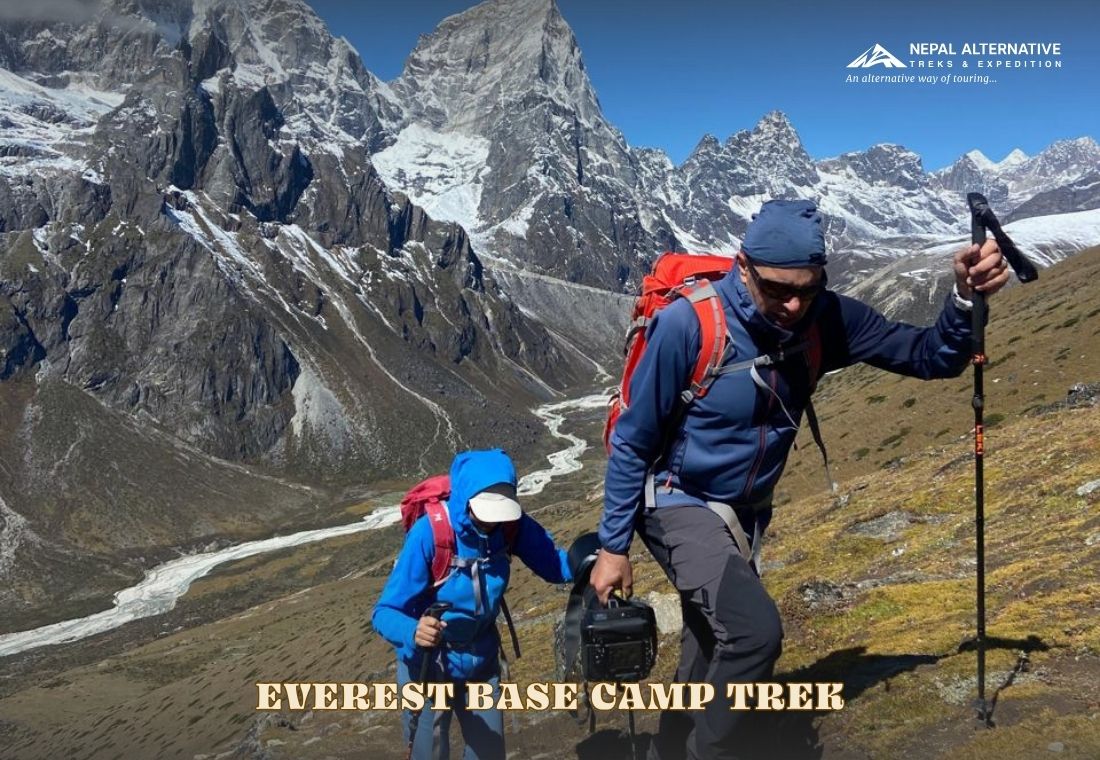
Everest Base Camp Trek is an Everest Region Trek to explore the beauty of the Himalayas. EBC with Gokyo Lake Trek is a 3-day extension of the classic Everest Base Camp Trek & a popular EBC Variant. If you want to combine the magnificent Gokyo tour with the EBC Trek and visit both beautiful destinations in one go, then the EBC with Gokyo Valley Trek is for you. However, choosing among different routes and variants of EBC can overwhelm any traveller.
Table of Contents
Do you know the difference between EBC Trek and EBC with Gokyo Lake, except for the extra three 3 days? Do you know how things take a turn in EBC with the Gokyo Lake Trek after day 8? If not, stay tuned because why make a hasty choice when we can clarify your doubts and help you choose better in just a few minutes.
Everest Base Camp Trek VS EBC With Gokyo Lake Trek
Let’s understand the difference between these two trek packages step by step. First, let’s talk about the cost. Everest Base Camp Trek costs $1,100 for 12 days, and EBC with Gokyo Lake Trek costs $1,250 for 15 days. Talking about the difficulty, the trek to Everest Base Camp is moderately complex but a bit less challenging than the Gokyo Lake and Everest Base Camp trek combined. You will get to see Cho La Pass(5,420 m), Gokyo Lake, Ngozumpa Glacier, and Gokyo Ri (5,357 m) in the extended Gokyo Package. In the classic Everest Base Camp Route, the Khumbu Glacier is an extra view that can mesmerize you.
All in all, the view of the highest mountain, Mount Everest, can be enjoyed from both treks, while glacial lakes, mountain passes, crossing of Cho La Pass, Khumbu Glacier, turquoise lakes, and panoramic views can be enjoyed only in one of the trek packages. It’s definitely not about visiting every corner, but about enjoying the journey and creating memories of the Everest Base Camp or Gokyo. So, after knowing the differences between treks, choose well. We, Nepal Alternative Treks, are always there to help you choose what’s best for you.
Route and waypoints of EBC trek and EBC with gokyo lake trek at a glance
We talked a lot about the EBC Trek Vs EBC with the Gokyo Lake. Now let’s also discuss the similarities. Everest Base Camp and Gokyo Lakes added version. The first eight days of the Everest Base Camp trek and the EBC with Gokyo Lake Trek follow the same trail, and what the trek offers doesn’t have much difference. Starting with a flight from Kathmandu to Lukla, trekkers trek from Phakding to Namche Bazaar, where the first acclimatization break is taken.
This early phase of the journey introduces the beauty of the Khumbu region with panoramic mountain views of Everest, suspension bridges, and welcoming Sherpa villages. From Namche, the trail heads toward Tengboche, and the trek takes you to a famous monastery before moving on to Dingboche for a second acclimatization day. Both trek also includes Lobuche and Gorak Shep, with highlights like the iconic Everest Base Camp, views of the Khumbu Glacier, and opportunities to trek toward Kala Patthar for a sunrise that gives you the opportunity to enjoy a view of the Everest. The shared route captures the essence of the classic base camp trek route that many trekkers dream of.
What actually changes after day 8 in EBC with the Gokyo Lake Trek
From Day 9, the experiences begin to change. On the 12-day Everest Base Camp trek, trekkers hike up to Kala Patthar, then descend through Pheriche, retracing the path via Namche to Lukla. In contrast, the 15-day EBC with Gokyo Lakes trek adds a more adventurous route. After Everest Base Camp, trekkers continue toward Dzongla and cross the dramatic Cho La Pass, entering a landscape of glaciers and lakes in this extended trip. From here, the trail leads to Thangna and onward to the Gokyo Valley trek, home to the legendary turquoise lakes and the stunning viewpoint of Gokyo Ri. After exploring the Gokyo lakes and the Everest base camp route, trekkers rejoin the familiar path through Dole and Namche before returning to Lukla. Last 2 days are same for the EBC with Gokyo Lake Trek and for the traditional Everest Base Camp Trek.
See what you get in Extra 3 days of EBC with Gokyo Lake Trek
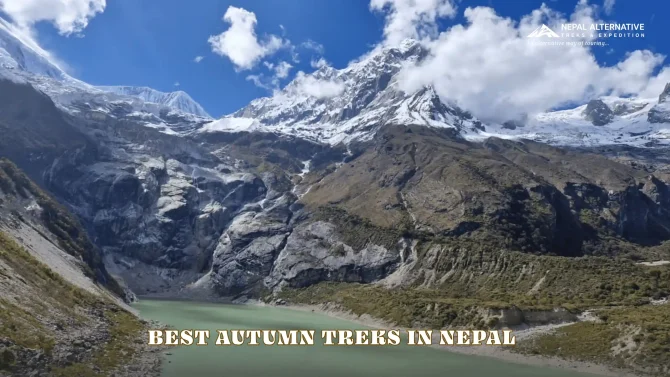
Adding Gokyo to your Base Camp Trek brings the bonus of exploring both EBC and Gokyo lake treks in one journey. The EBC trek vs Gokyo Lake trek discussion is a must if you are planning for a Everest Region Trek. Unlike the standard Everest Base Camp route, trekkers with extra time enjoy the Gokyo lakes and Everest base landscapes. The memories of the Everest trip are enhanced by walking quieter trails, taking in the view from the hill called Gokyo Ri, and standing at the edge of the Ngozumpa Glacier, the longest in Nepal.
The trek allows side trips to each glacial lakes, where the mountains route experience are unforgettable. Of course, the additional challenge is also there in Gokyo Lake added version. The Cho La Pass trek requires stamina, and the trek can be quite demanding in snowy or icy conditions. The reward is that the Gokyo and Everest Base Camp’s combination lets you stand at both Everest’s base and beside the Gokyo Lakes, something the classic Everest Base Camp trek alone doesn’t provide.
Incredible Everest Base Camp Trekking Experience From Start to Finish! We were a group of six close friends and had the pleasure to work with Tej and Nepal Alternative Trekking Company. Tej planned a perfect itinerary for our 11-day trek. The communication was superb and we were taken care of…
The Everest Base Camp trek is already considered a demanding high-altitude adventure, but the EBC with Gokyo Lake trek adds an extra level of challenge. If we actually compare Everest Base Camp vs Gokyo added adventure, the classic EBC trek involves long trekking days, high passes like Kala Patthar, and exposure to cold, yet the path is straightforward and well-traveled. The Gokyo extension introduces the steep crossing of Cho La Pass, extra nights at a higher altitude, and additional climbs to reach Gokyo Ri located at the Gokyo Valley. Gokyo Lake Trek Difficulty can also help you decide whwther you are right fit for this 3 days extension to Gokyo Lake.
Gokyo Ri addition makes the Gokyo version slightly harder and better suited for trekkers with strong fitness levels, some prior trekking experience, and the right gear (warm layers, crampons in icy conditions, and trekking poles). In short, the EBC trek vs Gokyo Lake trek comparison shows that while EBC is achievable for most first-time trekkers who prepare well, the Gokyo route attracts those looking for extra adventure and less crowded trails.You can also learn more about EBC trek difficulty and prepare accordingly
Costs & Permits For Everest Base Camp Trek and EBC with Gokyo Lake trek
When comparing prices, the Everest Base Camp trek usually costs around USD 1,100, while the EBC with Gokyo Lakes trek is slightly higher at USD 1,250. The cost difference reflects the extra three days of guiding, food, and accommodation required for the Gokyo section. However, when it comes to flights and permits, there is no difference between the two. Both treks require the flight from Kathmandu (or Ramechhap in peak season) to Lukla and back. Likewise, trekkers need the Sagarmatha National Park permit and the Khumbu Pasang Lhamu Rural Municipality permit regardless of whether they choose the base camp-only trek or the extended Gokyo option. In short, the logistics are the same, but the Gokyo version extends the itinerary and naturally increases the overall package price.
The best seasons for both the Everest Base Camp (EBC) trek and the EBC with Gokyo Lakes trek are spring (March to May) and autumn (September to November). In spring, the days grow longer and warmer, and the forests around Namche are alive with color. Early March can still leave a layer of ice on Cho La, but by April, the Gokyo lakes glow a deep turquoise.
Autumn is just as special. The monsoon rains clear the air and the lakes perfectly mirror Cho Oyu. By late November, the weather starts to become colder. So, if you’re adding the Gokyo section, it’s wise to prepare for extra day and carry microspikes. Winter treks are possible, but expect biting cold and heavy snow. The summer monsoon (June to August) is the least appealing, with rain, mud, and clouded views making the trails far less rewarding.
Decide The Everest Region Treks That Suit You The Best
Both the Everest Base Camp trek and the EBC with Gokyo Lakes trek are rewarding journeys in the Everest Region. The base camp only version is perfect if your priority is standing at Everest Base Camp & experiencing the classic Everest Base Camp route. It is a shorter, slightly easier trek that balances challenge with comfort. On the other hand, the Gokyo extension appeals to trekkers who want more solitude, adventure, and variety, adding the beauty of the Gokyo lakes, the climb to Gokyo Ri, and the excitement of the Cho La Pass crossing.
While the Gokyo option is a bit tougher, the reward is a broader perspective of the Everest region, with fewer crowds and stunning alpine scenery. In the end, the decision isn’t about which trek is “better,” but about what kind of journey you want, the traditional Everest Base Camp, or a loop that combines the base camp with the twist of the Gokyo valley.
With an experience of almost two decades, founder Mr. Tej Bahadur Gurung has established Nepal Alternative Treks as a widely recognized and reliable tourism operator. His degree in Tourism Studies and devotion to the sector has given him in-depth knowledge about trekking, climbing, cultural, and geological aspects of the country. He is a pioneer in introducing the concept of ‘off-beaten tracks’ and ‘alternative routes’ as well as treks and tour packages surrounding it.
Mr. Gurung had several contributions to ‘Visit Nepal 1998’. Similarly, he campaigned actively to make ‘Nepal Tourism Year 2011’ success in terms of establishing new destinations for valued customers. His benevolent act extends to offering socio-cultural tourism to benefit marginalized communities of Nepal. As a result of his dedication, he was elected the first Vice President of the Trekking Agency’s Association of Nepal (TAAN) from 2015-17. He was also the President of the Ganesh Himal Tourism Development Committee (GHTDC) from 2017-2020.
As a sociologist, he’s been involved in scientific research for tourism and recently on the subject of ‘conflict and peace’ at the Chulalongkorn University of Bangkok. At just 37, he has a double Master’s degree in Linguistic and Tourism Study. He holds a Ph.D. in Tourism from Lincoln University College of Malaysia.
Let our local mountain experts craft a personalized itinerary around your schedule, fitness level, and travel goals — safe, authentic, and rooted in Nepal Alternative Treks’ trail experience.
Need assistance? Our travel expert Tej Bahadur Gurung is here to help! Please fill out the form below to initiate a chat and get your queries resolved quickly.


 Bangkok, Thailand5.0 /5