Choose a trekking company in Nepal that is a registered local operator, names its guides, shows a real itinerary with altitudes and walking hours, and puts safety, permits, and insurance in writing. The best Nepal trekking company is not necessarily the one with the most awards, the lowest price, or the highest number of reviews.
A few questions before paying a deposit can save you from unexpected costs and problems on the trail. This guide is useful when comparing companies for treks such as Everest Base Camp, Annapurna Base Camp, and Manaslu Circuit.
Important: Trekking regulations, permit requirements, and guide rules can change. Check the current requirements for your route before traveling.
What “best trekking company in Nepal” really means
There is no single trekking company that is best for every traveler. Also, Google mixes Reddit threads, award posts, marketplaces, and operator sites. The best trekking company in Nepal is the one they can hold to account in Nepal, not a slogan.
That said, when comparing companies, look for these five things:
- Legal and verifiable: The company can provide its registration details and office address.
- Named guide: You know who will lead your trek and what qualifications they have.
- Clear itinerary: The itinerary shows overnight stops, walking hours, elevations, and rest or acclimatization days.
- Transparent pricing: Inclusions, exclusions, permits, transportation, and additional costs are clearly stated.
- Safety arrangements: The company explains its emergency procedures, insurance requirements, and approach to altitude or bad weather.
A large international brand can arrange a trek in Nepal, while a local operator may manage the trek on the ground. If that distinction matters to you, ask who actually employs and manages the guide and porter.
1. Check that the company is a registered Nepal trekking operator
Any company you consider should be able to show Nepal registration and the tourism licenses that apply to trekking. Ask for the company name as it appears on the government paper, not only the website brand.
Ask these in writing:
- Company registration details
- Office address
- Relevant tourism licenses
- Association of Nepal memberships and what those memberships cover
- The company name under which your booking and permits will be arranged

Do not rely only on a website, social media page, or collection of logos. A legitimate operator should be able to explain its registration and permit arrangements clearly.
If a company avoids straightforward questions about its legal identity or gives you only promotional material instead of documentation, consider that a reason to investigate further.
We work from Kathmandu. You can reach us on the number on our About page or through inquiry.
2. Ask who your guide will be, not only “experienced staff”
On our About page, we say we are a tight-knit group of local guides and porters with training, and that staff members have over 21 years of experience. That is our claim. You should still ask any company, including us, for the person on your trip, so you know who will actually be responsible for your group.
Useful questions you can ask include:
- What is the guide’s name and license type?
- How many times have they walked this exact route in the last two seasons?
- What languages do they speak?
- How many trekkers will they guide?
- Is a porter included?
- What is the porter load limit?
- What happens if the assigned guide becomes unavailable before departure?
Since 2023, foreign trekkers must use a licensed, experienced guide from a registered agency on most Nepal trekking routes, including Manaslu, Nar Phu Valley, Upper Mustang, and many more.
3. Read the itinerary like a map, not a brochure
A useful itinerary names overnight stops, sleeping altitude, walking distance, estimated walking hours, and highest point reached. It says where you acclimatize. It does not hide a 10-hour pass day inside the word “scenic.”
For high-altitude treks, sleeping altitude is particularly important. A route that looks easy on paper can involve substantial altitude gain between overnight stops.
Red flags include:
- One altitude figure for the entire trek
- No clear acclimatization plan on a high-altitude itinerary
- Missing overnight locations
- Unclear transportation arrangements
- Walking hours that appear copied from another itinerary
- A trek duration that does not clearly explain what is included before and after the trekking days
- A “12-day” label that starts counting from the Kathmandu arrival night without saying so.
4. Compare prices only after checking the inclusions
The cheapest trekking package is not necessarily the cheapest trip. One company may include permits, accommodation, meals, transportation, guide and porter services, while another may list some of these as additional costs. Thus, before comparing prices, ask for a complete list of inclusions.
Check whether the quoted price includes:
- Trekking and conservation permits
- Guide
- Porter
- All accommodation during the trek
- Meals
- Domestic flights or road transportation
- Airport transfers, where applicable
- Staff insurance
- Government taxes
- Company service charges
- Extra nights caused by itinerary changes
Also check the exclusions. Package prices move by season and group size. Re-check the live trip page before you pay. Do not treat a screenshot from last spring as a contract.

5. Check the company’s safety and emergency procedures
Another factor to consider when choosing the best trekking agency in Nepal is the company’s safety and emergency process. A trekking company should be able to explain what it does when conditions change. Ask who carries a first-aid kit, pulse oximeter, and satellite or radio plan above the last mobile tower. Ask which helicopter insurer they work with, and whether your policy must name helicopter evacuation at the trek’s sleeping height.
Also ask:
- Decision rule for turning around in bad weather or AMS.
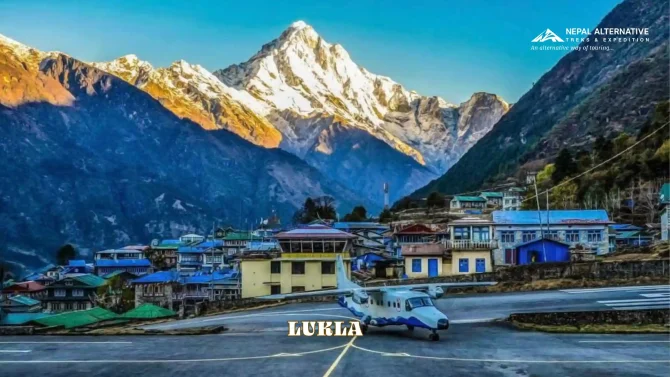
- Spare day policy for Lukla or road strikes.
- Refund and date-change rules, in writing
You don’t need a company that promises nothing will go wrong and just focuses on the trekking experience. You need one that can explain what it will do when something does.
6. Read reviews, but look beyond the star rating
Reviews are useful, but the average rating tells you only part of the story. Most of the website’s independent threads (Reddit, UKHillwalking-style forums, TripAdvisor on a specific trip) beat a homepage testimonial wall.
However, you should look for reviews that mention:
- The specific trekking route
- Guide names
- Dates or seasons
- Communication before departure
- Accommodation and food
- How delays were handled
- What happened when plans changed
- Whether the final price matched the quotation
For example, Nepal Alternative Treks’ About page lists TripAdvisor Certificates of Excellence in 2018, 2019, 2020, and 2023. These are part of the company’s public record. They are not a substitute for a named guide and a clear itinerary. Read recent reviews for the route you want, not only the company average.
Also, marketplace round-ups mix global operators and Nepali ones. That is useful for price bands. It is a weak way to pick who walks beside you.
7. Test the company’s communication before booking
The period before you pay is a useful test of how clearly a company communicates. Send the same questions to two or three companies and compare the answers.
Look for responses that provide names, dates, prices, documents, a clear itinerary, and specific answers to your questions. Good replies come within a working day, in clear English or your language, and they attach or link the itinerary you asked for. Slow, generic, or copy-paste replies usually stay that way on the trail.
WhatsApp is widely used for trekking communication in Nepal, but keep the final itinerary, price, inclusions, exclusions, and important arrangements in a written record such as email.
Questions to send before you book
- What is your company registration name and Kathmandu or Pokhara office address?
- Who is the guide for my dates, and can I see their license type?
- Can you send the complete day-by-day itinerary with sleeping altitudes and walking hours?
- What is included and excluded from the quoted price, including porter load and staff insurance?
- What happens if Lukla or the road is closed, or if I have AMS?
- What insurance must I buy, and does it need helicopter cover at our highest overnight?
- How many guests share this guide and porter on my departure?
A good company should be comfortable answering these questions before asking you to commit.
How We Work at Nepal Alternative Treks
Nepal Alternative Treks is a local trekking operator based in Kathmandu. Tej Bahadur Gurung started the company in 2008, and our guides and porters are Nepali. We write itineraries we actually run, including shorter and longer variants of the classic trails.
If you are comparing trekking companies, you can review our live trek itineraries and send us an inquiry with your travel dates, group size, and preferred route.
FAQs
Is a local trekking company better than an international trekking company?
The answer depends on what you value. A local Nepal-based company may provide direct access to the team operating your trek, while an international company may handle the booking while working with a local ground operator. Rather than choosing based only on the company’s location, ask who will organize and lead your trek, who employs the guide, and what support is available in Nepal.
How far ahead should I book a trekking company in Nepal?
Peak trekking seasons can be busy, particularly in spring and autumn. Guides, accommodation, transportation, and flights on some routes can become limited during busy periods. Your required booking time will depend on the route, group size, season, and whether you need restricted-area permits.
Should I choose the cheapest trekking company?
No, you should not choose the cheapest trekking company. Compare the complete package rather than the headline price. A lower quote may exclude permits, transportation, accommodation, porter services, insurance, or other costs. Ask each company for the same list of inclusions and exclusions before comparing prices.
What if two trekking companies look the same on paper?
If two trekking agencies look the same on paper, ask both companies the same practical questions and compare the answers. Pay particular attention to who will guide your trek, how clearly the itinerary is explained, what the price includes, and what happens if weather, transportation, or health issues affect the itinerary.