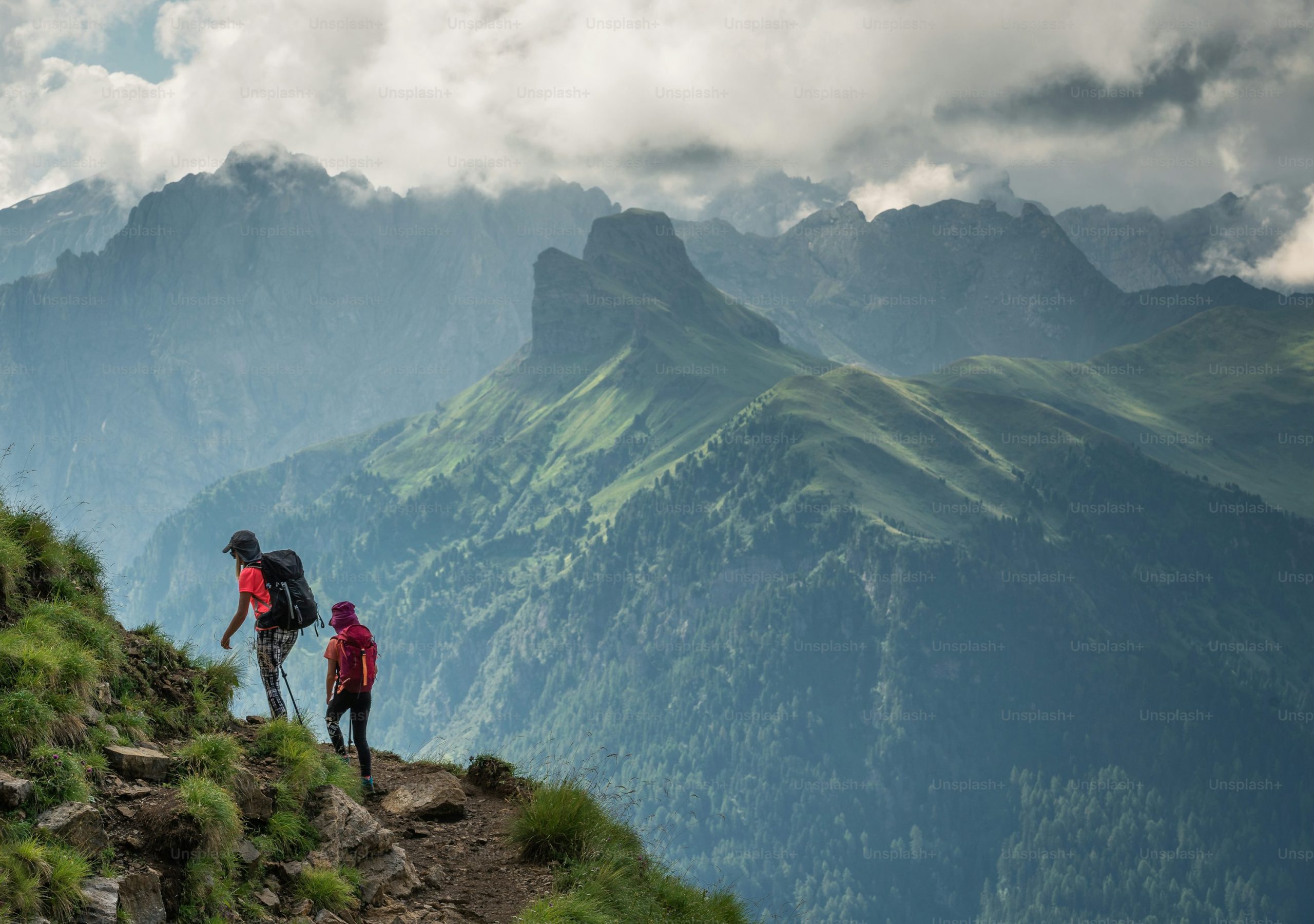
The Himalayas are the ultimate proving ground for adventurers. Standing at the foot of Annapurna or staring up at the imposing face of Mount Everest is a dream for many, but the reality of high-altitude trekking is far more demanding than a typical weekend hike. The thin air, rugged terrain, and unpredictable weather require a specific kind of preparation that goes beyond just buying a good pair of boots.
Nepal offers some of the most spectacular landscapes on Earth, but enjoying them requires respect for the altitude. Whether you are aiming for Everest Base Camp, the Annapurna Circuit, or the Manaslu region, success depends on how well you prepare your body and mind before you even step on the plane. This guide covers the essential steps to ensure you are ready for the challenge of a lifetime.
Understanding the Invisible Challenge: Altitude Sickness
The biggest hurdle in Nepal isn’t the steep hills or the cold; it’s the lack of oxygen. As you ascend, the air pressure drops, meaning there is less oxygen available for every breath you take. Above 2,500 meters (8,200 feet), your body has to work significantly harder to function.
Acute Mountain Sickness (AMS) can affect anyone, regardless of age or fitness level. It occurs when you ascend too quickly, not giving your body enough time to adjust to the lower oxygen levels.
Recognizing the Symptoms
It is vital to know what AMS looks like before you start your trek. Common early symptoms include:
- Persistent headache
- Nausea or loss of appetite
- Dizziness and lightheadedness
- Difficulty sleeping
- Excessive fatigue
If you experience these symptoms, the golden rule is: do not go higher. If symptoms worsen, you must descend immediately. Ignoring these warning signs can lead to life-threatening conditions like HAPE (High Altitude Pulmonary Edema) or HACE (High Altitude Cerebral Edema).
Building a Body for the Mountains
You don’t need to be an Olympic athlete to trek in Nepal, but you do need excellent cardiovascular endurance and leg strength. You will be walking for 5 to 7 hours a day, often on steep, rocky trails, carrying a daypack.
Cardiovascular Endurance
Your heart and lungs need to be efficient. Focus on low-intensity, long-duration cardio. Running, cycling, and swimming are excellent, but the best training for hiking is hiking.
- Weighted Walks: Start doing long walks (4+ hours) on weekends. Wear the boots you plan to take to Nepal to break them in.
- Carry Weight: Gradually increase the weight of your backpack during training until you are comfortable carrying around 6-8kg (13-17lbs).
Strength Training
Your legs serve as your engine. Incorporate exercises that build strength in your quads, calves, and glutes.
- Squats and Lunges: These are essential for tackling the endless stone steps found on Nepali trails.
- Step-Ups: Find a high box or a bench and do weighted step-ups to simulate climbing steep terrain.
- Core Strength: A strong core helps stabilize your body on uneven ground and protects your back from the strain of carrying a pack.
Mastering Acclimatization
Acclimatization is the biological process of your body adapting to the decrease in oxygen. You cannot rush this process. A well-planned itinerary is your best defense against altitude sickness.
The “Climb High, Sleep Low” Rule
This is a standard strategy used by mountaineers worldwide. The idea is to hike to a higher altitude during the day to expose your body to thinner air, but then descend to a lower altitude to sleep. This stimulates the production of red blood cells while allowing your body to recover overnight.
Rest Days and Downtime
Most reputable trekking itineraries include built-in acclimatization days at hubs like Namche Bazaar or Manang. These aren’t “do nothing” days; you usually take a short hike in the morning and rest in the afternoon.
During these long afternoons in the teahouse, boredom can sometimes set in as you wait for your body to adjust. It is important to keep your mind occupied but your body rested. Many trekkers bring cards or books, but modern teahouses often have Wi-Fi. You might find yourself curling up in your sleeping bag to watch a downloaded movie or catch up on a series via an IPTV provider on your tablet to pass the time comfortably. Keeping your mind relaxed is just as important as resting your legs.
Essential Gear for High Altitudes
The weather in the Himalayas is notoriously fickle. You might start the day in a t-shirt and end it in a down jacket. A proper layering system is non-negotiable.
The Layering System
- Base Layer: Avoid cotton at all costs. It absorbs sweat and makes you cold. Use merino wool or synthetic materials that wick moisture away from your skin.
- Insulation Layer: A heavy fleece or a down sweater works well here. This layer traps heat.
- Outer Shell: You need a high-quality windproof and waterproof jacket. The wind at high altitude can strip heat from your body instantly.
Footwear
Your feet are your most valuable asset on the trail.
- Boots: invest in high-quality, waterproof hiking boots with good ankle support. Ensure they are thoroughly broken in before your trip to avoid blisters.
- Socks: Bring distinct hiking socks (merino wool is best) and liner socks to reduce friction.
Nutrition and Hydration Strategies
Your body burns calories at a much higher rate at high altitude. You might lose your appetite due to AMS, but you must force yourself to eat and drink.
Fueling the Machine
The local staple, Dal Bhat (lentil soup, rice, and vegetable curry), is the trekker’s best friend. It provides a perfect balance of carbohydrates and protein, and teahouses offer free refills.
- Eat Carbs: Carbohydrates require less oxygen for your body to metabolize than fats or proteins. Pasta, rice, and potatoes are excellent choices.
- Snack Often: Bring energy bars, nuts, or chocolate from home. You need quick energy boosts on the trail.
Staying Hydrated
Dehydration mimics the symptoms of altitude sickness and accelerates its onset. You should aim to drink 3 to 4 liters of water every day.
- Purification: Bottled water is expensive and bad for the environment up on the mountain. Bring a reusable bottle and use purification tablets, a UV sterilization pen, or a rigorous filtration system to treat tap water from teahouses.
Cultivating a Himalayan Mindset
Physical fitness gets you to the mountain; mental toughness gets you to the top. Trekking at altitude is uncomfortable. It is cold, the air is dry (expect the “Khumbu cough”), and the facilities are basic.
Prepare yourself for discomfort. There will be days when you are exhausted and just want to go home. Practicing mindfulness or simple meditation can help you push through the mental walls. Focus on one step at a time rather than the summit. Keeping a positive attitude not only helps you but boosts the morale of your group and your guides.
Your Journey Begins Now
Preparing for a high-altitude trek in Nepal is a holistic process. It requires you to train your muscles, gear up for freezing temperatures, and respect the biological limits of your body. By taking the time to prepare physically and understanding the science of acclimatization, you are setting yourself up for success.
The Himalayas command respect. When you approach them with the right preparation and a humble mindset, they offer an experience that is nothing short of transformative.