Safety update: our trekking groups are safe, and our routes are running as planned. Read full flood notice.

Safety update: our trekking groups are safe, and our routes are running as planned. Read full flood notice.
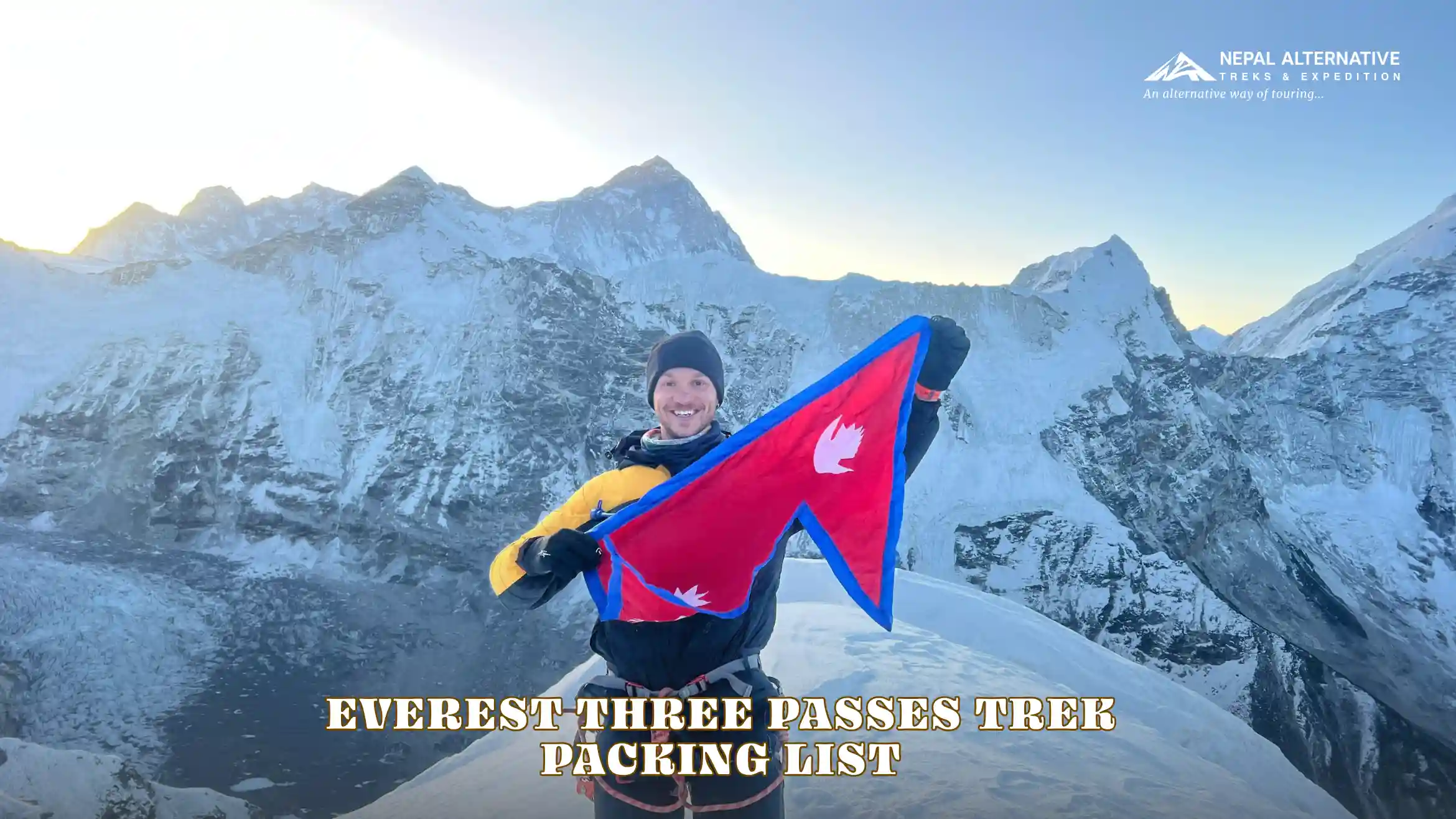
The Everest Three Passes Trek is one of the challenging adventures in the Everest region, featuring crossings of three high passes: Kongma La (5,535 m), Cho La (5,420 m), and Renjo La (5,360 m). The trek is longer than the standard Everest Base Camp Trek and takes you through a varied landscape. Thus, trekkers experience warm sunshine, freezing nights, strong winds, snowfall, and occasional rain throughout the same trip. Because of this, packing the right gear can make your journey safer and less challenging when you face different weather conditions. On the other hand, poor preparation can lead to discomfort, illness, or an early return.
This blog will help you pack for every condition you may face on the Everest Three Passes Trek, from snowstorms at Kongma La and cold winds at Renjo La to strong sunshine around Cho La top. With the right Everest Three Passes Trek packing list, you’ll be well prepared and can focus on enjoying the incredible Himalayan scenery with confidence.
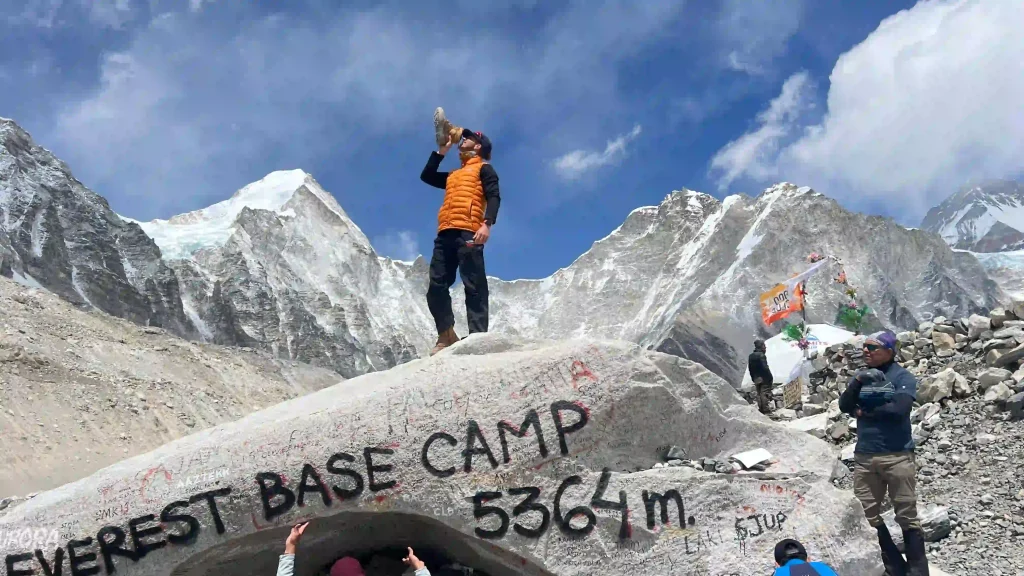
Each of the Everest Three High Passes requires trekking above 5,000 m. At this elevation, the weather changes without any warning. It might feel warm and sunny one moment, then become freezing cold and windy within an hour. The weather can be different at each of the three passes. Because you’ll cross all of them, you need gear that can handle a variety of conditions rather than a trek with just one high-altitude pass.
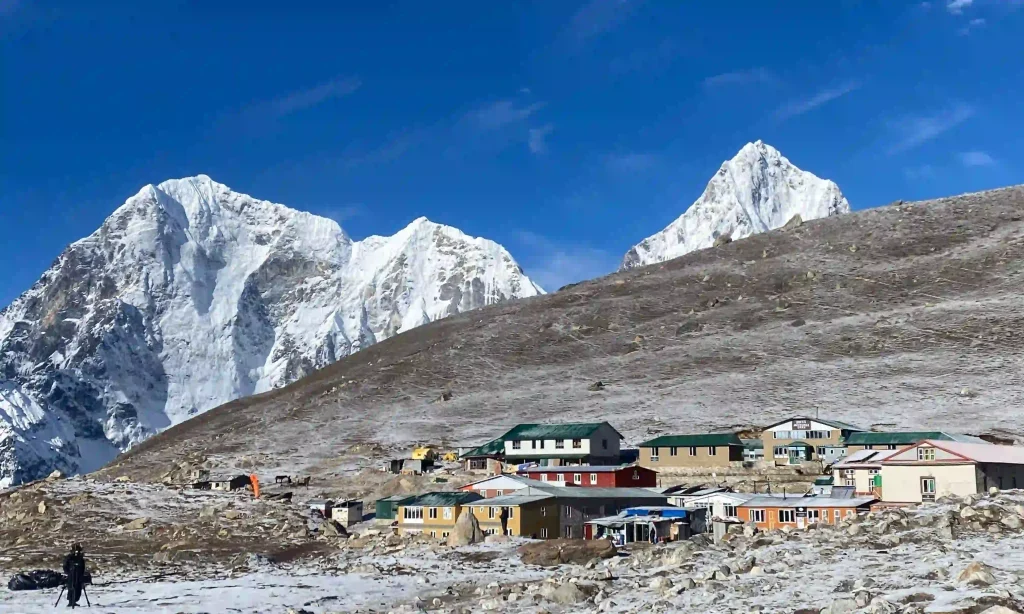
Each pass-crossing day begins around 4 or 5 AM to avoid strong winds and afternoon clouds. This means you’ll trek during the coldest part of the day, when temperatures at the higher camps near Kongma La and Cho La can drop to -10°C to -20°C. Proper clothing suited to minus-degree temperatures is essential for Everest Three Passes Trek.
Similarly, all three passes lie at high altitude, where there are no trees or shelter due to the strong winds. Even if the morning starts sunny and calm, it can become very windy and much colder as you reach the top. The wind can make it feel much colder than the actual air temperature. That’s why a windproof outer shell is essential.
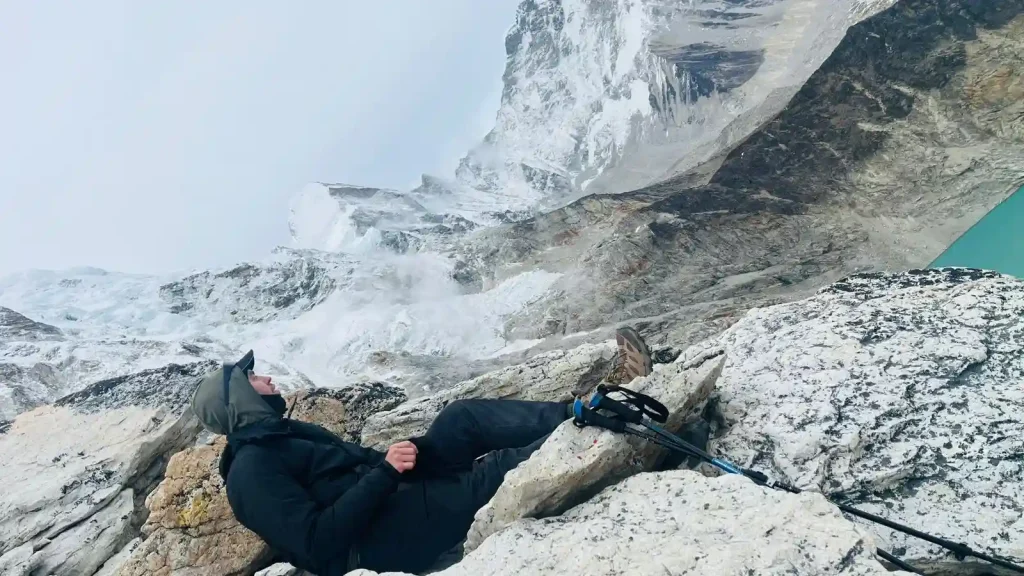
Some sections, particularly around Cho La, require crossing a small glacier or snow-covered section, where microspikes and trekking poles are essential. That’s why, more than just usual trekking gear, you have to add additional items as well.
Together, these conditions mean you need more than just warm clothes. You need a layering system that lets you quickly add or remove clothing as the weather changes, reliable traction gear for snow and ice, and sunglasses and sunscreen to protect against the strong UV rays at high altitude.
Packing clothes for the Everest Three High Passes isn’t about carrying one very warm jacket. It’s about using a layering system that you can adjust as the weather changes throughout the day. Here’s what each layer is important for the Everest 3 Passes Trek:
Your base layer is the clothing worn directly against your skin. It moves sweat away from your body, keeping you dry and preventing you from getting chilly when you stop walking. Paack at least two sets of base layers.
Merino wool is ideal for the Three Passes Trek because it stays warm even when slightly damp and resists odor, best in locations where laundry facilities are limited.
The mid-layer helps keep you warm by trapping heat close to your body. On the Three Passes Trek, you’ll carry more than one mid-layer so you can adjust your clothing based on the weather and activity level.
The outer shell protects you from wind, snow, and rain. Unlike mid-layers, it is not for warmth but to block harsh weather. You should keep your outer shell in your daypacks at all times, as the weather on the mountain can change quickly.
Even the challenging trek like the Everest Three Passes feels comfortable when the gear you use every day fits well. While summit jackets and specialty items are only needed on specific days, there are some items that you must use every day, including on your hands, back, and shoulders. The following items cover the trekking gear you’ll use every day on the Everest Three Pass journey:
Your backpack is the most important piece of gear for a multi-day trek like the Everest Three High Passes because you’ll be carrying it for hours each day. While choosing a backpack, look for:
A duffel bag should hold bulky or irregularly shaped gear. Porters, yaks, or mules carry your duffel bag while you carry only your backpack, which you need frequently. Here is what you should look for in a duffel bag:
Trekking poles make walking easier, especially on long treks. They help reduce pressure on your knees when walking downhill, improve balance on rocky or slippery trails, and provide extra support when crossing Cho La Pass, Kongma La Pass, and Renjo La Pass. Your trekking poles should have:
Although you’ll get comfortable rooms with general equipment like a pillow and blanket, the rooms will not be heated. So, a good sleeping bag is essential for staying warm and getting proper rest during your trek, especially at higher altitudes with freezing nights. When choosing a sleeping bag, look for:
Staying hydrated is crucial for any high-altitude trek, including the Everest Three Passes. Proper hydration keeps you energetic, and not drinking enough water can make you feel tired, cause headaches, and increase the risk of altitude sickness. So, make sure to drink water regularly throughout the day, even if you don’t feel thirsty. Carry a refillable water bottle with:
Other daily essentials worth packing:
Most teahouses on the Everest trekking routes, especially near high passes, provide only the basics like a bed and simple meals. Things like soap, toiletries, and medical supplies are limited or even unavailable. Carrying a few essential hygiene and personal care items will help you stay clean, comfortable, and prepared throughout your trek.
At high altitudes, the sun’s rays are stronger, and snow or ice can reflect extra sunlight onto your skin. This increases the risk of sunburn, even on cloudy days. So, carry a broad-spectrum SPF 50+ sunscreen that protects against strong sunlight and works well when you sweat or get wet. Apply it before starting your trek and reapply every 2-3 hours, especially on your face, ears, and neck. Also carry an SPF lip balm to prevent dry, cracked, and sunburned lips in cold mountain conditions.
Toilet paper is not available in trekking areas, especially at squat toilets or basic outdoor facilities along the trail. Pack about 1 roll for every 4–5 days of trekking, and store it in a ziplock bag or dry bag to keep it clean and dry.
Generally, teahouses do not provide towels, so carrying a standard cotton towel is impractical: it is heavy, takes a long time to dry, and takes up more space in your bag. So, consider carrying a quick-dry microfiber towel for trekking because it is lightweight, absorbs water well, and dries much faster. After use, let the towel dry properly by hanging it outside your backpack while walking
Daily showers at high altitude are not possible due to cold weather and limited hot shower facilities. So, wet wipes are important for staying clean and comfortable during the trek. They help remove sweat, dirt, and salt from your skin after long days of walking. Choose biodegradable wipes because regular wipes do not break down easily and should not be left behind on the trail. Unscented and alcohol-free wipes are better for frequent use because they are gentler on your skin.
Packing a well-prepared first aid and high-altitude medical kit is essential for the Everest Three Passes Trek. The trek takes place above 5,000 m for several days, where medical facilities are limited. So, adding a first aid kit and high-altitude essentials, depending on your health needs, is recommended.
High altitude is the major challenge trekkers face during the Everest Three Passes Trek, requiring good planning and preparation to successfully complete the adventure.
The Everest Three Passes Trek passes through the mountain areas where electricity, mobile service, and charging facilities can be expensive. Also, electronics on the Three Passes Trek face two main challenges: cold temperatures that drain batteries quickly and limited charging opportunities, especially beyond Dingboche, Lobuche, and Gokyo. So, bringing the right electronics will help you stay connected, navigate safely, and capture your adventure.
Carry a power bank with 20,000 mAh or more. Two smaller power banks are often better than one large one, as they provide a backup. Also, keep your power bank inside your sleeping bag at night to prevent the cold from draining the battery.
Choose a power bank that:
Bring charging cables for all your devices and pack them in a waterproof pouch.
Pack:
A headlamp is essential for early morning starts, nighttime use, and emergencies.
Choose one with:
Bring a camera or smartphone to take photos and videos of your trek.
Also pack:
A GPS watch can track:
The Everest Three Passes area and the entire Khumbu region experience distinct seasons, and each has its own weather and trail conditions. So, packing for the season you are traveling in is essential for staying comfortable, safe, and prepared. The main trekking gear remains the same throughout the year, but you’ll need to adapt your clothing and equipment to the season and expected weather.
Spring is one of the best times for the Everest Three Passes, with comfortable daytime temperatures, while mornings and evenings around the pass crossings are below freezing. Spring weather can change quickly, so wear layers that you can easily add or remove as temperatures change throughout the day. If you’re trekking during the spring season, pack:
Autumn is the most popular trekking season due to stable weather, excellent visibility, and dry trails. The season requires similar clothing to spring, though late autumn (November) requires slightly warmer layers as winter approaches. For autumn trekking in the Everest Three High Passes, pack:
Winter is the hardest time for the Three Passes trek because of freezing temperatures, heavy snowfall, icy trails, and strong winds, especially while crossing Kongma La, Cho La, and Renjo La. Also, daylight hours are short during this time. Still, if you are preparing for a winter trek, here is an Everest trek gear list:
Summer, from June to August, is the warmest time in the Everest region, but it is also the monsoon season. So, trekking during the season is not recommended due to frequent rainfall, slippery trails, cloudy skies, and reduced mountain views. Because clothing takes longer to dry during the monsoon, carrying extra quick-drying base layers and socks helps maintain comfort throughout the trek. Here’s the recommended packing list for the Everest Three Passes Trek for anyone going during summer/monsoon season:
For Everest Three High Passes Trek, you don’t need to bring high-quality trekking equipment or technical gear from your home country if you don’t own them. Thamel, Kathmandu’s main tourist and trekking area, has many shops where you can rent equipment like sleeping bags, trekking poles, and crampons. Renting gear can save you both money and suitcase space, especially for expensive items that you may only use once.
| Equipment | Average Rental Cost (Per Day) |
| Sleeping bag (-15°C to -20°C) | USD 1-3 |
| Down jacket | USD 1-3 |
| Backpack or Duffel bag | USD 1-3 |
| Gaiters | USD 0.5-1 |
| Microspikes | USD 1-2 |
| Trekking poles | USD 1-2 |
The Everest Three Passes Trek is much tougher than the standard Everest Base Camp trek. The route is longer, colder, and more demanding, so a single packing mistake can have serious consequences for your adventure. Instead of packing more gear, focus on the right gear that is well-tested and reliable.
Here are some of the common mistakes trekkers on Three Passes make, and one you should avoid:
Many trekkers pack far more than they actually need. At high altitude, every extra kilogram makes walking more tiring, especially on days when you’ll be walking 6-8 hours and gaining hundreds of meters. Likewise, some trekkers pack duplicate clothing, thinking “just in case.” So, we recommend sticking to essential items and packing versatile clothing that can be layered and reused.
The Three Passes Trek is much colder than trekkers expect. Night temperatures at higher lodges can fall to –20°C, and the mountain passes are windy. Know that wind can make the temperature feel much colder than the thermometer shows. Thus, don’t forget to pack thermal layers, an insulated down jacket, warm gloves, and cold-weather sleeping gear.
On the trek, it is always best to carry a refillable water bottle with a water purification tablet, as bottled water is expensive and not always available. Bring a water filter, purification tablets, or a UV purifier. Since cold weather can affect filters and electronic devices, carrying purification tablets is a good option.
Many trekkers think that a high-altitude trek requires new footwear. But in reality, comfortable and well-tested boots are best. New boots that haven’t been broken in are one of the leading causes of painful blisters and foot injuries.
UV radiation is stronger at high elevations, even on cloudy days. Some trekkers assume that because it’s cold at high altitudes and ignore sun protection. But it should be your top priority to protect your skin. Pack high-SPF sunscreen, UV-protection sunglasses, lip balm with SPF, and a wide-brim hat or cap.
To pack as light as possible for the Everest Three Passes Trek, choose lightweight, quick-drying clothing that can be layered instead of bulky items. Pack only the essentials, use travel-sized toiletries, and avoid unnecessary electronics or extra outfits
For the Everest Three Passes Trek, pack layered clothing, sturdy trekking boots, a warm sleeping bag, trekking poles, a headlamp, water bottles, toiletries, a basic first-aid kit, a power bank, and important documents.
Moisture-wicking base layers, trekking shirts and pants, thermal wear, a fleece jacket, a warm down jacket, and a waterproof outer shell are necessary clothes for the Everest Three Passes Trek. Also, don’t forget warm gloves, a hat, trekking socks, and a neck gaiter.
Yes, trekking poles are necessary for the Everest Three Passes Trek. The route involves long ascents, steep descents, rocky trails, glacier crossings, and uneven terrain. In this case, trekking poles improve balance, reduce strain on your knees, and provide extra stability, especially on challenging passes like Kongma La, Cho La, and Renjo La.
A solar charger is optional but can be useful for the Everest Trek. If you rely on GPS devices, cameras, or your phone throughout the trek, carry both a power bank and a compact solar charger, as it provides dependable backup.
Need assistance? Our travel expert Tej Bahadur Gurung is here to help! Please fill out the form below to initiate a chat and get your queries resolved quickly.