What Makes Khangsar Village A Hidden Gem for Trekkers in Nepal?
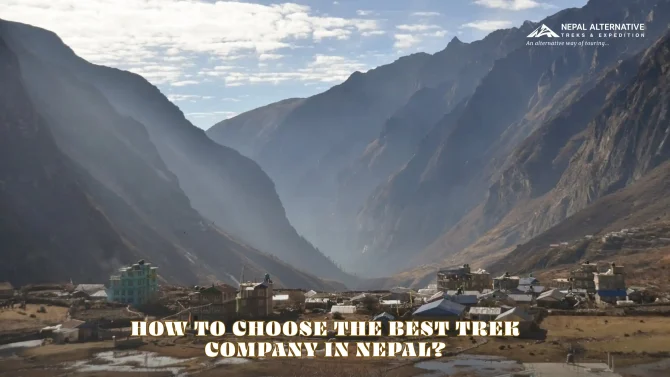
Khangsar Village, traditionally called Ngaba, is one of those places you don’t hear much about. However, once you get into the village, explore, and be part of it, you wonder how it stayed hidden. Located in the remote Manang district, Khangsar is a traditional Himalayan village, away from the busy parts of the Annapurna Circuit. Although hidden, the village carries the untouched charm of Nepal. It is a quiet, traditional village where people still live in old-style stone houses surrounded by mountain peaks and open valleys.
The calm nature, friendly locals, rich culture, and simple mountain life are what make the village stand out, even though it is hidden. Despite Khangsar being a hidden gem, it plays a vital role in the region’s trekking route. It lies on the way to Tilicho Lake and connects smoothly to the Annapurna Circuit Trail. Indeed, the Annapurna Circuit is very popular; most trekkers pass through Manang and do not visit Khangsar at all, as they are rarely aware of the village.
Table of Contents
Khangsar Village is a hidden gem because it is untouched, less known, and unexplored, even though it lies close to the famous Annapurna Circuit. Its traditional stone houses, narrow trails, and warm local lifestyle make visitors feel as if they’ve stepped into an ancient, peaceful side of Nepal. Likewise, its stunning surrounding makes it special, lying on a high ridge with spectacular views of Tilicho Peak, Gangapurna, and the surrounding valley.
Major Attractions On The Way To Khangsar Village
Making your way to Khangsar Village means travelling through different worlds with varied landscapes, cultures, and surprises. The journey to Khangsar village follows the classic Annapurna Circuit route, which begins in the lower hills around Besisahar and slowly takes you towards Manang before reaching Khangsar. Besides the villages, you’ll pass through varied natural wonders that make your every step worthwhile and make you feel like you’re being taken to heaven.
Green Lake
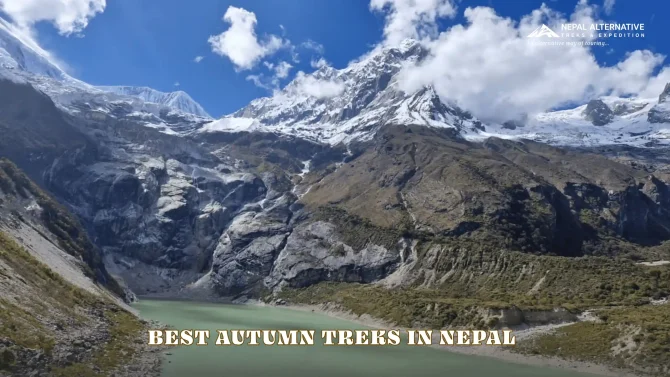
Green Lake, also known as Ngangkar Tso, is one of the lesser-known but most peaceful lakes around the Manang-Khangsar route. The lake gets its name from its beautiful green color, which is now gaining popularity among visitors due to its spectacular beauty. Unlike the more popular lakes in the region, Green Lake is usually quiet, with few visitors.
The Green Lake lies slightly off the main trail, so trekkers often enjoy a short side trip from Khangsar to reach it. The gentle pathway passes through dry landscapes, yak-grazing areas, and open slopes, where you can clearly see stunning mountains. When you reach the lake, the raw beauty is what you’ll notice at first sight.
Instead of a traveler’s crowd, you’ll see birds, marmots, and grazing yaks around the lake, which provides a good place to relax, meditate, or enjoy nature without crowds. Likewise, Green Lake is a perfect spot for photography, with its green water contrasting beautifully with the brown cliffs and blue sky.
An unforgettable experience! Me and my girlfriend had a great experience doing a 4 day trek to muldai view point. Our guide Ritika and porter Rahan were both ace – really attentive, happy to answer our constant questions and always positive – even when we were sheltering from hail the…
Восхитительный непальский дебют This is the first time we have been to Nepal for Manaslu Circuit Trekking. We were advised by Alternative Treks & Expeditions. We have never regretted it. The organization is at a high level, despite the democratic prices. I also want to express my gratitude to our…
UNFORGETTABLE experience. The team formed by Dawa (guide), Dorje, and Purba was unbeatable; they are great professionals and even better people. Everything was perfect. Without them, reaching the summit and the trekking would have been impossible. We were able to feel the warmth of the people of Nepal. Tej was…
It was a pleasure to hire the services of Nepal Alternative Treks & Expeditions Pvt. Ltd. The entire staff was very attentive at all times. The experience has been excellent.
Once in a lifetime experience. Bring plenty of snacks. Everything was organised very smoothly. The flights home from Luklea were cancelled and an alternative route was organised for us. Had such a great time!!
I’m very grateful to have had the opportunity to hike to Everest base camp with Nepal Alternative Treks. From the moment we arrived in Nepal until we left, Tej from Nepal alternatives was very helpful and welcoming, ensuring the trek ran smoothly. Our guide Tek was knowledgeable, friendly, and made…
What can I say, fantastic experience and totally manageable but not easy… sometimes it was a real grind but it’s only as hard as you want to make it. Tej, the owner-operator, was fantastic. He spent lots of time both before and after the trek with me, making sure I…
Our 23 day trek was a great experience in all aspects. Our trio consisting of my friend, our guide Nauser and me succesfully managed the whole trek. I can only recommend booking this option as we got to see the himalayas in it‘s fullest. Gej‘s briefing beforehand prepared us about…
I had a fantastic experience with Nepal Alternative Treks on the Poon Hill Trek. Everything was well organized, and our guide was friendly, knowledgeable, and very supportive throughout the journey. The sunrise view from Poon Hill overlooking the Annapurna and Dhaulagiri ranges was absolutely breathtaking and the highlight of the…
The whole trip was amazing from start to finish. It all started when our guide, Nauser Ghale, picked us up from our hotel in Kathmandu. Right away, he explained the plan for the trip. The daily routine was great. After breakfast, we started our trek to the next destination. We…
I cannot recommend Nepal Alternative Treks highly enough. To be honest, I’m not a hiker at all. When my girlfriend suggested a trekking vacation in Nepal, my first thought was, “You’re going to get me killed!” I had never done a trek in my life, and suddenly I was preparing…
We completed 12 day Everest Base Camp hike with local guide Saroj. We felt extremely safe and well looked after, the only thing we had to worry about was the walking and snacks! Everything else was sorted. Thank you Saroj and Taj! Highly recommend.
This is my 7th Nepal Alternative Treks trip. Fair price Professional guides and a great team. TEJ's coordination was excellent; we became close friends.
Tej and Nepal Alternative treks and Expeditions made the trip special and unforgettable experience. We’ve made a plan to Lantang or Manussalu route next year. And for sure, with Tej and his team again for their wonderful service and a friendships that extends beyond business.
Blue Lake, also known as Kicho Tal or simply Ice Lake, is a stunning turquoise high-altitude lake in the Manang region. As the name suggests, it has blue water that makes it beautiful and seems almost unreal when seen in sunlight. Similarly, the lake sits below the huge walls of Tilicho Peak, surrounded by steep cliffs and rocky mountains. Like Green Lake, the Blue Lake also feels natural and raw due to fewer crowds.
To reach Blue Lake, you should follow a quiet pathway from Manang or Khangsar that passes through an old yak pasture and mountain slopes. The walk is peaceful, and as you get closer to the lake, you can see the blue color of the lake even from a distance.
Blue Lake is an ideal spot to enjoy nature photography, peaceful landscapes, and exceptional mountain views. Sitting by the water, you can clearly hear the wind, the sound of water, and sometimes the distant sound of yaks. There, you can forget all your tension and make your mind go blank, even though you have so much in your head.
Gangapurna Lake
Gangapurna Lake
Gangapurna Lake is a prominent and easily accessible lake below the Manang village. The melting ice formed it from the Gangapurna Glacier, which flows down from Gangapurna Mountain. Thus, the lake’s color often changes from milky turquoise to opaque brown, depending on the amount of glacial silt in the water. Moreover, the backdrop of Gangapurna, Tarke Kang, and Khangsar Kang (Roc Noir) adds to the lake’s beauty.
The walk around the lake is peaceful and offers a moment of calm. Trekkers often visit the lake for acclimatization, especially during the Manaslu and Annapurna Circuit Trek. A viewpoint above the lake also provides one of the best panoramic sights in all of Manang, with snowy peaks, glaciers, and the blue lake below.
Gangapurna Lake is one of the best places to sit quietly and enjoy nature. You can sit around the lake, watch the water change color with the sunlight, listen to the wind blowing through the valley, and take in the peaceful atmosphere. Many travelers say their time at Gangapurna Lake was one of their favourite memories of the Manang area.
Kajin Sara Lake
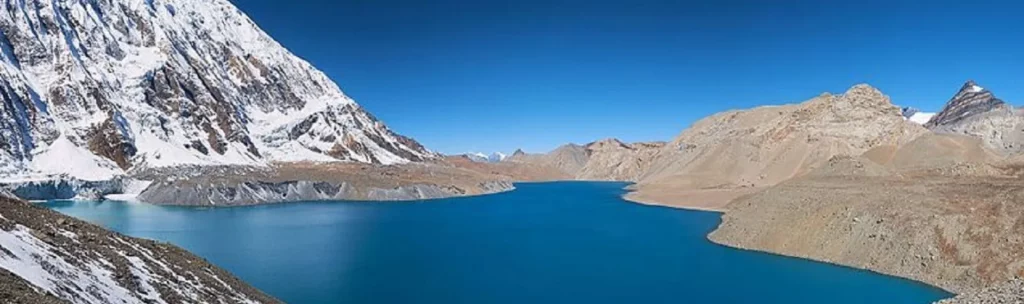
Kajin Sara Lake is a high-altitude lake located in Manang District at an elevation of 5,020 meters. It will be the highest lake, replacing Tilicho Lake, which is currently one of the highest lakes in the world. Thus, it is sometimes referred to as the “newly discovered highest lake”, though official verification is still ongoing. One of the most remarkable things about the lake is its endless views of peaks such as Annapurna II, Lamjung Himal, and parts of the Manang highlands.
Ready to Trek?
Let’s Go!
5.0/5
Annapurna Circuit with Tilicho Lake Trek – 13 Days
Although the lake itself lies in the Chame area of Manang, its growing popularity has made many trekkers visiting Khangsar curious to explore it as well. The two destinations share the same landscapes, cold high altitude air, and stunning Himalayan views that make Kajun Sara a perfect destination for anyone travelling towards Khangsar village.
Khangsar Kang
Khangsar Kang, also known as Roc Noir (Black Rock), is a mountain peak above the Khangsar village. This mountain is one of the first things trekkers notice when entering the village. The mountain looks especially beautiful in the early morning or late afternoon when the sunlight hits its rocky face. Likewise, the mountain changes colors throughout the day, from golden in the morning to bright white at midday to deep orange at sunset.
Trekkers usually don’t climb the peak during normal trekking routes, but they admire it from many viewpoints along the trail from Manang to Khangsar. On clear days, the clouds move around the peak, and the sunlight hits the snow, making it shine like silver. In addition, many trekkers say this mountain is one of the main reasons Khangsar feels so special.
Old Khangsar Monastery (Khangsar)
Manang Village
The old Khangsar Monastery (Gompa) is a culturally and religiously significant site located above Khangsar village. It is also a meaningful destination for trekkers who want to understand the local lifestyle and the spiritual connection to the Himalayas. The monastery is built in a simple Tibetan style with prayer wheels, colorful flags, and hand-painted murals.
When you walk to the monastery, the trail passes through stone houses, small fields, and beautiful views of Khangsar Khang and the surrounding peaks. You’ll also feel the fresh air that makes you calm even before you reach the monastery gate. Inside the monastery, you can hear the soft sound of prayer wheels spinning and monks chanting, which creates a peaceful atmosphere.
Khangsar Monastery has been part of the local community for many years and reflects the culture of the people living in this high mountain region. Visiting the monastery helps you experience the spiritual side of Manang and understand how closely religion is tied to daily life in the area.
Why is Khangsar called the last village of Manang, Nepal?
Khangsar is called the last village of Manang because it is the final permanent, fully inhabited settlement on the western side of the Manang region. Once you leave Khangsar and move toward Tilicho Lake during the Annapurna Circuit with Tilicho Lake trek or Mesokanta La Pass, the landscape changes drastically. The pathway enters a high-altitude wilderness zone with no long-term residents. While there are a few seasonal tea shops and lodges along the route to Tilicho Base Camp, they remain open only during trekking seasons.
Khangsar itself is a traditional stone-built village where people live year-round. It has proper houses, farming terraces, monasteries, and a small but active community. For trekkers, Khangsar is especially important because it is the last place with reliable infrastructure before entering the remote upper region. Likewise, the village offers the final access to lodging, food, warmth, supplies, and local support.
Therefore, Khangsar is the last stop before the wilderness starts. Trekkers often rest here and prepare for the challenging route ahead. The moment you leave Khangsar, the route feels emptier and more rugged, with nothing but mountains, cliffs, and a remote pathway leading to higher locations.
Life in Khangsar Village
Life in Khangsar is simple and deeply connected to the mountains, enriched by Tibetan Buddhism. The settlement here is home to a small, close-knit community of around 60 households with roughly 100 to 150 people. With so few families, everyone knows one another, and daily life revolves around cooperation, sharing work, helping neighbours, and maintaining traditions passed down for generations.
Most people in Khangsar depend on a mix of farming and tourism. Farming at that high altitude isn’t easy, but the villagers have mastered it through generations. They grow crops that survive the cold and rocky soil. They mainly grow potatoes, apples, and a few garden vegetables.
Similarly, tourism forms the pillar of the local economy. Because Khangsar is the gateway to Tilicho Lake, many villagers run teahouses, serve as trekking guides, and help transport trekkers’ goods. These services provide income to locals that helps their economy grow, especially during the spring and autumn.
Moreover, the daily route in Khangsar is humble and meaningful. Mornings begin with tending to yaks and fields. Afternoons are spent preparing meals, chatting with neighbours, or welcoming trekkers passing through villages. Evenings are quiet with no city noise, no traffic, and only a few lights.
How To Get To Khangsar Village?
The journey to Khangsar village is a beautiful route along a popular section of the Annapurna Circuit. The journey begins at Besisahar, the district headquarters of Lamjung. The road from Besisahar has improved over the years, and vehicles can now travel all the way to Manang on a long day of driving.
Besisahar can be reached in 5-6 hours by ground transportation from Kathmandu. You can take 4WD jeeps, Bolero taxis, or even public buses to get to the entry point to the Annapurna region, Besisahar. From Besisahar, the route takes you to Chame, the gateway to the higher Manang region. As the road to Chame is mostly rough and unpaved, you must take a jeep to get there, which takes about 4-6 hours.
From Chame, you should take another 1-2 hours’ drive through tougher stretches with bumpy, narrow sections. The final driving journey takes you from Chame to Manang, a 2-3-hour jeep ride that winds along the Marsyangdi River. From Manang, Khangsar village is around 6 km away. You can either take a jeep or go on foot to the village. While the journey by jeep takes 1-2 hours, it takes 2-4 hours on foot.
Popular Treks with Khangsar Village on the Itinerary
Khangsar Village has become a key highlight on many trekking routes in the Annapurna region. Likewise, the route that includes Tilicho Lake automatically includes the Khangsar village as a prominent acclimatization point. Below mentioned are the popular treks with Khangsar Village on the itinerary:
Annapurna Circuit With Tilicho Lake Trek
The classic Annapurna Circuit, with the famous side trip to Tilicho Lake, is one of the most famous routes in the Himalayas. On the route, Khangsar lies directly on the trail from Manang to Tilicho Base Camp. Khangsar is the last proper settlement before entering the remote Tilicho Lake section. Trekkers start their Tilicho trek from Manang, stop at Khangar for a break, and then climb towards Tilicho Base Camp via Shree Kharka.
It is not necessary to stop overnight at Khangsar. Still, we suggest you spend a day at the village to acclimatize properly before heading to high altitude. Generally, you’ll get to Khangsar on the Annapurna Circuit with Tilicho on Day 6 of the itinerary and on Day 8 while returning.
Manaslu, Annapurna Circuit & Upper Mustang Trek
The trek merges three major regions: Manaslu, Annapurna, and Upper Mustang. The route begins with a walk through the Manaslu region, then enters the Annapurna region, takes you to Khangsar, and exits with a visit to Upper Mustang. On the combined Manaslu, Annapurna Circuit, and Upper Mustang Trek, you’ll get to Khangsar on the 16th day while heading your way to Tilicho from Manang. Likewise, you’ll pass through Khangsar on the 18th day while returning to Ledar from Shree Kharka after exploring Tilicho.
Manaslu And Annapurna Circuit Trek
The Manaslu and Annapurna Circuit Trek combines two circuits without going into Upper Mustang. In this combination, you’ll explore most trekkers add Khangsar village as an optional side trip because Tilicho Lake is one of the significant highlights near Manang. Many consider the stop at Khangsar worth it because the village offers stunning scenery and an ideal place to acclimatize. However, even when not staying overnight, trekkers pass through the village on their way to Shree Kharka and Tilicho Base Camp.
Tsum Valley, Manaslu, and Annapurna Circuit trek
The Tsum Valley, Manaslu, and Annapurna Circuit Trek is a special extended trek that combines Manaslu and Annapurna Circuit with Tsum Valley. Like others, this itinerary also includes a visit to Khangser village on the way to Tilicho. The high altitude desert landscapes, stone houses, monasteries, and yak pastures around Khangsar match perfectly with the raw beauty of Tsum Valley. On the trek itinerary, trekkers reach the village on the 21st day while heading towards Tilicho Base Camp, and on the 23rd day while returning via Shree Kharka.
With an experience of almost two decades, founder Mr. Tej Bahadur Gurung has established Nepal Alternative Treks as a widely recognized and reliable tourism operator. His degree in Tourism Studies and devotion to the sector has given him in-depth knowledge about trekking, climbing, cultural, and geological aspects of the country. He is a pioneer in introducing the concept of ‘off-beaten tracks’ and ‘alternative routes’ as well as treks and tour packages surrounding it.
Mr. Gurung had several contributions to ‘Visit Nepal 1998’. Similarly, he campaigned actively to make ‘Nepal Tourism Year 2011’ success in terms of establishing new destinations for valued customers. His benevolent act extends to offering socio-cultural tourism to benefit marginalized communities of Nepal. As a result of his dedication, he was elected the first Vice President of the Trekking Agency’s Association of Nepal (TAAN) from 2015-17. He was also the President of the Ganesh Himal Tourism Development Committee (GHTDC) from 2017-2020.
As a sociologist, he’s been involved in scientific research for tourism and recently on the subject of ‘conflict and peace’ at the Chulalongkorn University of Bangkok. At just 37, he has a double Master’s degree in Linguistic and Tourism Study. He holds a Ph.D. in Tourism from Lincoln University College of Malaysia.
Let our local mountain experts craft a personalized itinerary around your schedule, fitness level, and travel goals — safe, authentic, and rooted in Nepal Alternative Treks’ trail experience.
Need assistance? Our travel expert Tej Bahadur Gurung is here to help! Please fill out the form below to initiate a chat and get your queries resolved quickly.


 United Kingdom5.0 /5

 Russia5.0 /5