Trip Facts

Weather

Weather -10°C to 20°C

Duration

Duration 5 Days

Difficulty

Difficulty Moderate View Difficulty Detail

Accommodation

Accommodation Lodges

Meals Included

Meals Included Breakfast, Lunch, Dinner

Best Season

Best Season March, April, May, Sept, Oct, Nov

Transportation

Transportation Overland (Jeep)

Daily Activity

Daily Activity Approx. 5 – 6 hours

Religion

Religion Buddhist, Hindu, Bon Po

Ethnic People

Ethnic People Gurung, Thakali

Geographic Terrain

Geographic Terrain Mountain, Forest, Village, Desert, Hot spring, Terrace

Region of Nepal

Region of Nepal Mustang

Max. Altitude

Max. Altitude 3,800 m / 12,468 ft

Lower Mustang Trek Overview

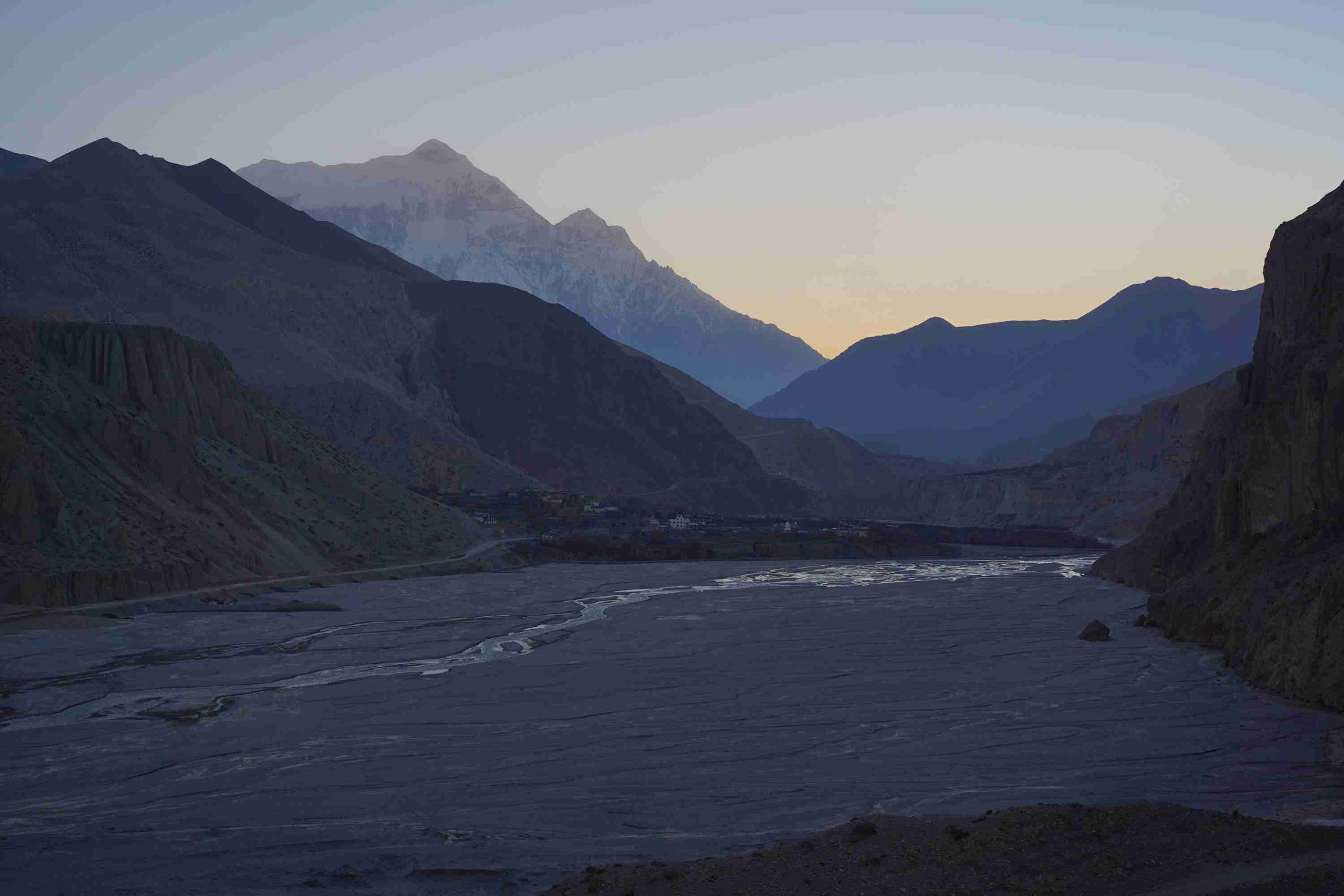
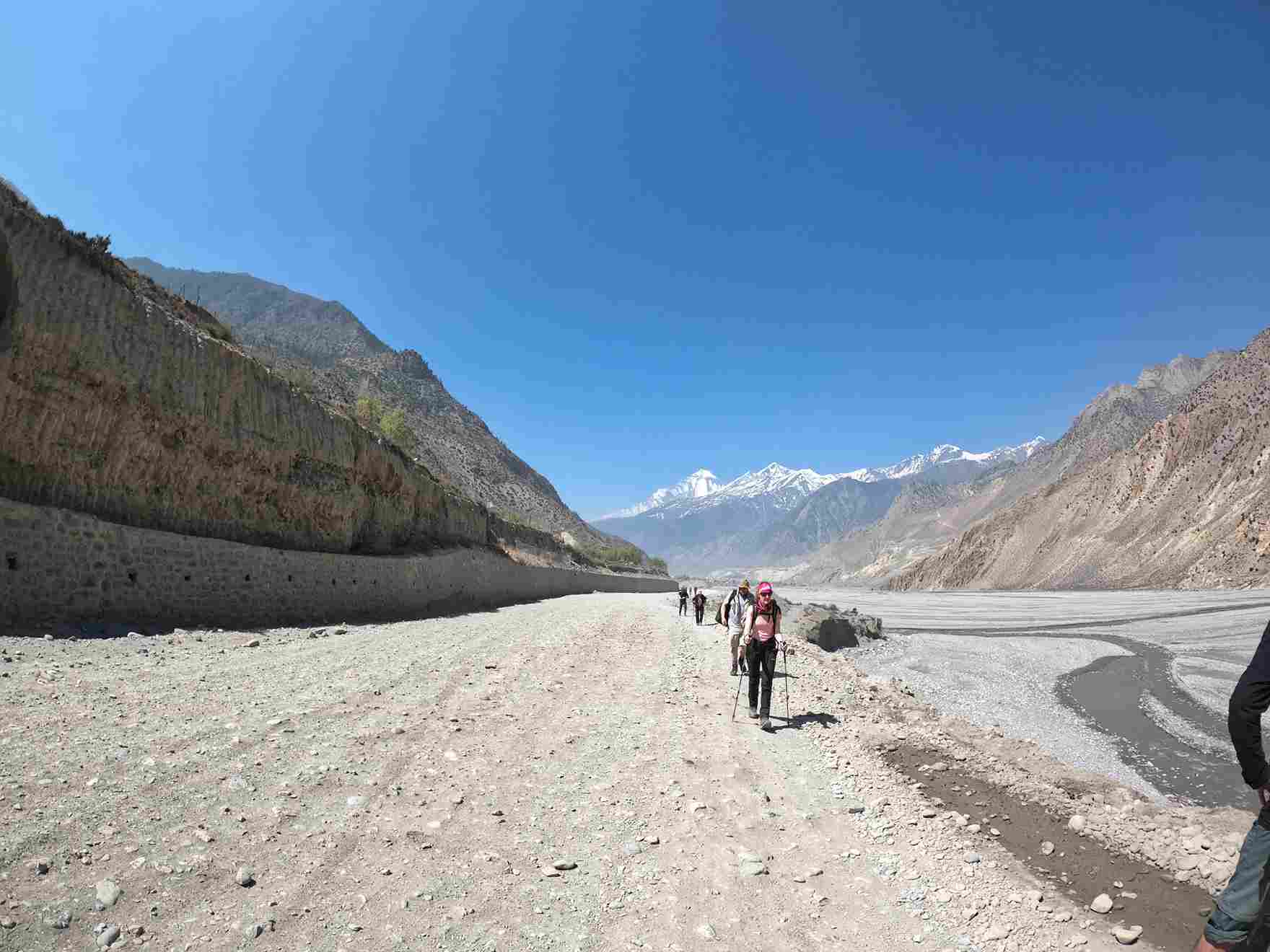
The Lower Mustang Trek is one of the most accessible treks in Nepal. It lies in the North-Central part of the country, within the Kali Gandaki valley. The region sits in the rain shadow of the Himalayas. This means it receives less rain than most parts of Nepal. The landscape becomes drier and more rugged as you go north. You will see trans-Himalayan terrain with barren hills, deep gorges, and dramatic cliffs.

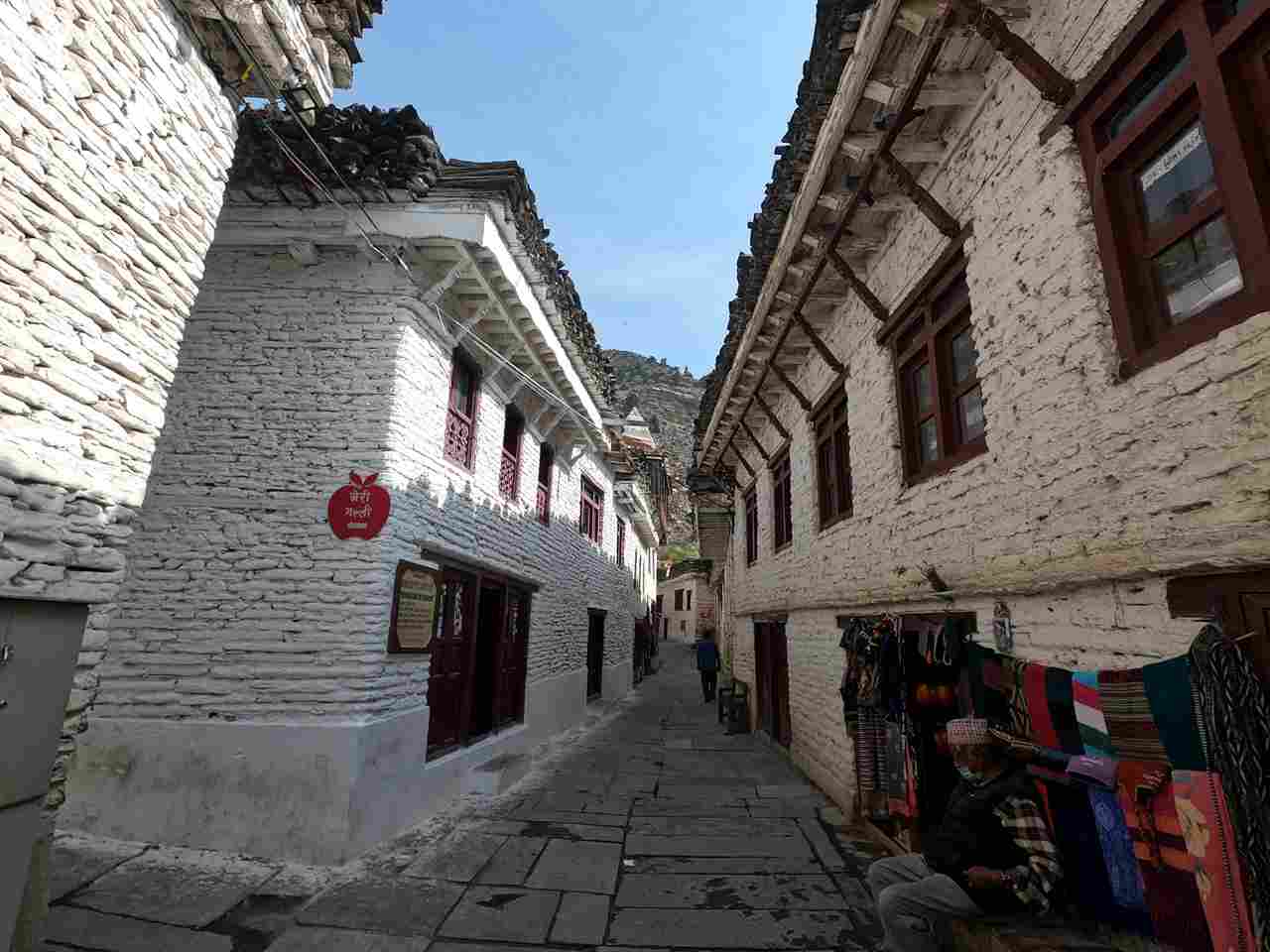
This trek passes through historic Thakali and Lopa villages such as Marpha, Tukuche, Jomsom, Kagbeni, Lubra, and Ranipauwa. These settlements preserve strong Tibetan Buddhist and pre-Buddhist Bon traditions. You will see ancient monasteries, chortens, mani walls, prayer wheels, and traditional stone houses with flat roofs. Marpha is famous for its whitewashed lanes, apple orchards, and local apple products. Lubra is one of the last Bonpo villages in Nepal, with an ancient monastery and unique rituals.

A major highlight is the sacred Muktinath Temple at 3,800 m. Both Hindus and Buddhists revere it. The site is known for its 108 water spouts and an eternal flame. Many pilgrims visit Muktinath for spiritual purification. Kagbeni, just below Muktinath, is another important religious and cultural village. It was a key trading post on the old Tibet route and remains a gateway to Upper Mustang.

The Lower Mustang Trek also offers remarkable mountain scenery. You will see views of Dhaulagiri (8,167 m), Annapurna I (8,091 m), Nilgiri (7,061 m), Annapurna South (7,219 m), Hiunchuli (6,441 m), Tukuche Peak (6,920 m), and other snow-capped peaks. The contrast between these giants and the dry, windswept valleys of the Kali Gandaki makes this region a favorite for photographers.

This route does not require a special restricted-area permit like Upper Mustang. You only need the Annapurna Conservation Area Permit (ACAP). The trek is suitable for first-time trekkers with a reasonable level of fitness. It is also a good choice if you want high-altitude scenery, rich culture, and a shorter itinerary without the cost and rules of Upper Mustang.

Lower Mustang Trek Highlights

  • Walk through the trans-Himalayan landscape of the Kali Gandaki Valley with dry hills, deep gorges, and rugged cliffs.
  • See snow-capped peaks like Dhaulagiri, Annapurna I, Nilgiri, Annapurna South, Hiunchuli, and Tukuche Peak.
  • Visit famous Thakali and Lopa villages: Marpha, Kagbeni, Ranipauwa (Muktinath), Lubra, and Jomsom.
  • Explore Marpha’s whitewashed stone houses, narrow lanes, and apple orchards.
  • Visit the sacred Muktinath Temple at 3,800 m, revered by Hindus and Buddhists, with 108 water spouts and an eternal flame.
  • Learn about Tibetan Buddhism and the pre-Buddhist Bon religion in villages like Kagbeni and Lubra.
  • See ancient monasteries, chortens, mani walls, prayer wheels, and traditional flat-roofed stone houses.
  • Enjoy local Thakali hospitality and cuisine in cozy teahouses and lodges.
  • Trek in the rain-shadow region of Mustang, which stays dry even during the monsoon.
  • Pass through the thrilling landscapes of the Kali Gandaki Valley, surrounded by rugged cliffs, hills, deep gorges, and snow-capped peaks.
Difficulty of Lower Mustang Trek

The Lower Mustang Trek is graded as moderate. There are no technical sections, high passes, or glaciers. You walk on well-used trails through villages with teahouses. The main challenges are altitude up to about 3,800 m at Muktinath, daily walking of 5 to 7 hours, and steady ascents and descents on rocky, uneven paths.

This trek suits fit beginners and active travelers who can handle multi-day hiking and basic teahouse conditions. Regular cardio and some leg strength before the trip will help. Altitude risk is lower than on big expeditions, but you can still feel mild effects above 3,000 m. Go slow, stay hydrated, and speak to your guide if you feel unwell.

Compared to other treks, Lower Mustang is easier than Upper Mustang, Annapurna Circuit, and Everest Base Camp, but more demanding than short hikes around Pokhara or Kathmandu. If you can walk 5 to 7 hours a day on hilly terrain and reach around 3,800 m at a steady pace, the Lower Mustang Trek is well within reach.

Questions before you book?
Our Nepal team replies on WhatsApp with trip details, dates, and custom options.

Detailed 5 days Lower Mustang Trek Itinerary

Day 1

Drive from Pokhara to Marpha (2,650 m)

Day 1 Facts

Trekking Time Average

Drive 160 km drive (8 hours)

Accommodation

Paradise Guest House

Altitude

2,713 m / 8,694 ft

Included meals

Lunch, Dinner

The Lower Mustang Trek starts with a scenic drive to Marpha, one of the most prominent settlements in the Lower Mustang region. The road follows the Kali Gandaki Valley. You will pass rivers, waterfalls, terraced fields, and traditional small villages like Ghasa, Tukuche, and Syang.

As the journey goes deeper into the Mustang region, the landscape gradually transforms into a drier and more rugged form. This gives you a first glimpse of the trans-Himalayan environment of the Mustang region. You will arrive in Marpha in the afternoon or evening. Check in at Paradise Guest House. If time allows, walk through the village to see whitewashed houses, stone-paved streets, and apple orchards. Overnight in Marpha.

Day 2

Trek from Marpha to Kagbeni (2,800 m)

Day 2 Facts

Trekking Time Average

15 km Uphill hike (6-7 hours)

Accommodation

Hotel Yac Donald or Niligiri Guest House

Altitude

2,800 m / 9,186 ft

Included meals

Breakfast, Lunch, Dinner

After a nutritious breakfast in Marpha, begin your trek towards Kagbeni. The trail passes through spectacular landscapes along the Kali Gandaki River. You will see dry hills, rocky terrain, and traditional villages such as Jomsom and Ekle Bhatti.

Kagbeni is one of the oldest traditional settlements in the Lower Mustang region. It historically served as an important trading route between Tibet and the lower valleys in Mustang. The village has narrow lanes, old houses, and a strong Tibetan Buddhist influence. Upon arrival, check in and settle into Hotel Yac Donald or Nilgiri Guest House. Rest and explore the village if you feel fresh. Overnight in Kagbeni.

Day 3

Trek from Kagbeni to Ranipauwa (3,700 m)

Day 3 Facts

Trekking Time Average

11 km Uphill hike (5 hours)

Accommodation

Town House Hotel

Altitude

3,700 m / 12,140 ft

Included meals

Breakfast, Lunch, Dinner

After breakfast, continue towards Ranipauwa, the main settlement next to Muktinath. The trail goes through barren hills and rocky terrain. You will see remarkable views of snow-capped peaks along the way. Major villages you pass include Khingar and Jharkot.

The route passes cultural landmarks like monasteries, chortens, and mani walls. This is a prominent pilgrimage route to the Muktinath Temple at 3,800 m. Arrive in Ranipauwa and check in at Town House Hotel. After freshening up, you will visit the Muktinath area and experience the spiritual atmosphere. Overnight in Ranipauwa.

Day 4

Trek from Ranipauwa to Jomsom (2,720 m) via Lubra village (2,790 m)

Day 4 Facts

Trekking Time Average

17 km Downhill hike (6-7 hours)

Accommodation

Hotel Himalayan Inn

Altitude

2,720 m / 8,923 ft

Included meals

Breakfast, Lunch, Dinner

After breakfast, trek towards Jomsom via Lubra Village. The day starts with a descent from Ranipauwa. The trail passes barren hills and traditional settlements. Lubra Village is a small traditional settlement known for its unique cultural heritage and its connection to the Bon religion. Bon is one of Tibet’s indigenous religious traditions. You can observe traditional architecture, spirituality, rituals, and local ways of life. After exploring Lubra, continue the trek towards Jomsom.

The trek through Lubra eventually brings you back to Jomsom. Jomsom is the most significant commercial center as well as the district headquarters of the Mustang region. Upon arrival, check in and settle into Hotel Himalayan Inn. You can take some time to rejuvenate after a long and tiring day. Stay overnight in Jomsom.

Day 5

Drive from Jomsom to Pokhara (820 m)

Day 5 Facts

Trekking Time Average

160 km drive (6-7 hours)

Altitude

820 m / 2,690 ft

Included meals

Breakfast, Lunch

This is the final day of the Lower Mustang Trek. After breakfast, start the drive back to Pokhara. The road follows the Kali Gandaki Valley. Returning south by road, you pass back through Marpha, Tukuche, Ghasa, Tatopani, and Beni.

You will also see the landscape change from dry, rugged terrain back to green hills and forests. Settlements become denser as you approach Pokhara. Arrive in Pokhara in the evening. The 5-day Lower Mustang Trek ends here.

What do you get in the Trip?

Cost Includes

  • Pick-up and drop-off at your hotel in Pokhara before and after the trek.
  • Lodge accommodation on a twin-sharing basis during the trek.
  • All meals (breakfast, lunch, and dinner) during the trek.
  • One experienced, first-aid-trained, fluent English- and local language-speaking, friendly, government-authorized trekking guide.
  • One porter per two trekkers (luggage weight up to 10 kg per person).
  • Guide and porter’s food, accommodation, salary, insurance, transportation, and equipment.
  • All overland transportation as mentioned in the itinerary.
  • Annapurna Conservation Area Project (ACAP) permit and all other necessary permits.
  • Trekking map, duffel bag, daily oxygen saturation checks, first-aid kit, company T-shirt, and trekking completion certificate.
  • Assistance with emergency rescue evacuation.
  • Government taxes and service charges.
  • Public liability insurance.

Cost Excludes

  • Hotel accommodation and meals in Pokhara.
  • Hot and cold beverages (tea, coffee, soft drinks, bottled mineral water, and alcohol), desserts, hot showers, hot drinking water, device charging fees, laundry, telephone/internet bills, bar bills, etc.
  • Personal travel insurance.
  • International flight tickets.
  • Nepal tourist visa.
  • Tips for guides and porters (highly recommended).

Add-ons and Options

Make your Lower Mustang Trek comfortable and enriching by adding custom options and upgrades. These include city tours, adventure sports, equipment hire, and flight upgrades.

To customize your package, choose your preferred trek date on the booking page. Then select your desired gear rentals, activities, and transport options before you submit your reservation.

List of available add-ons and upgrades includes:

  • Equipment rentals: Save packing space by hiring key items directly: sleeping bag (USD 5), down jacket (USD 5), and trekking poles (USD 5).
  • Pokhara City Tour (USD 30 per person): Discover Pokhara’s top highlights, local markets, and lakeside views with an experienced local guide.
  • Trishuli River Rafting (USD 45 per person): Break up your road journey with an exciting day of white-water rafting down the scenic Trishuli River.
  • Pokhara Paragliding (USD 90 per person for 45 minutes): Soar over Phewa Lake with a professional tandem pilot and enjoy views of the Annapurna Massif.
  • Pokhara Zip-flyer (USD 80 per person): Experience one of the world’s steepest zip-lines for a fast-paced adrenaline rush near Pokhara.
  • Everest Scenic Flight (USD 300 per person): Take a 1-hour mountain flight from Kathmandu for eye-level views of Mount Everest and nearby Himalayan peaks. This includes private hotel transfers. There is no mountain landing.
  • Kathmandu to Jomsom Charter Flight (USD 8,000 per flight per leg): Skip all ground transfers with a direct private aircraft charter for your group between Kathmandu and Jomsom. This option offers maximum flexibility and comfort.
  • Jomsom to Pokhara Flight Upgrade (USD 169 per person): Avoid the rough 6 to 7-hour drive down the Kali Gandaki Valley with a quick 20-minute flight back to Pokhara.
  • Pokhara to Marpha Private Jeep (USD 150): Secure a private 4WD vehicle for a smoother, tailor-made drive directly to Marpha.

Weather Variation and Best Time for Lower Mustang Trek

January
-10°C to 5°C
February
-8°C to 7°C
March
-5°C to 10°C
April
-2°C to 15°C
May
3°C to 18°C
June
6°C to 20°C
July
8°C to 21°C
August
8°C to 20°C
September
6°C to 19°C
October
1°C to 15°C
November
-5°C to 10°C
December
-8°C to 6°C

The Lower Mustang Trek is cold in the winter and pleasantly warm in the summer. From November to March, nights are very cold and often drop below freezing (as low as -10°C in January), though daytime temperatures stay around 5°C to 10°C.

Weather warms up during spring (April to May) and peaks in summer (June to August), with comfortable daytime temperatures around 20°C. In autumn (September to October), days remain pleasant (15°C to 19°C) before nights freeze again, making spring and autumn the most popular times to trek.

Route Map

Trail
Return Trail

Join our group departures

We do not have any scheduled group trips, but you are welcome to pick a date that suits you best.

Book a private trip on your own date.

Every journey we create is uniquely tailored to you. Share your interests and passions, and our travel experts will design an unforgettable adventure filled with extraordinary, one-of-a-kind experiences crafted just for you.

Private Booking
Additional Trip Information

Best Time for Lower Mustang Trek

Each season offers a unique experience and has its own strengths for the Lower Mustang Trek. Hence, the best time to visit Lower Mustang depends on whether your priority is clear mountain views, comfortable trekking conditions, cultural exploration, fewer visitors, or photography. Here’s a short description of each season:

Spring (March to May)

Spring is considered one of the best seasons to explore the Lower Mustang region. Spring marks the smooth transition from the colder months to the warmer ones. Vegetation gets greener, flowers begin to bloom, temperatures are mild, and there are exceptional views of the Himalayas.

Daytime temperatures typically range from 15 to 18℃ (59 to 64℉) on average, while nighttime temperatures can drop to -2 to 5℃ (28 to 41℉). Spring is an excellent choice for travelers who prioritize photography. The spring season offers a combination of blooming natural vegetation, beautiful mountain views, and vibrant settlements, which is perfect for photography.

Summer/Monsoon (June to August)

During the rainy monsoon season, Lower Mustang in particular has an advantage over other trekking regions farther south. Much of the Lower Mustang region lies in the rain shadow area of the Annapurna and Dhaulagiri ranges. As a result, major areas such as Jomsom, Kagbeni, and Marpha receive significantly less rainfall than other trekking areas farther south.

However, conditions can still be variable. Overcast conditions, occasional rain, strong winds, and poor road conditions can affect travel, particularly on the journey to and from the region. The average daytime temperature during summer/monsoon ranges from 20 to 32℃ (68 to 89℉). Summer/monsoon can therefore be a good option for travelers who want to explore Mustang in the quieter season, but they should allow flexibility for transportation.

Autumn (September to November)

Autumn is undeniably the best season for trekking and travel in the Lower Mustang region. After the monsoon, the atmosphere is clearer, offering excellent visibility of the surrounding peaks. Travelers can witness spectacular views of snow-capped peaks, including Annapurna, Dhaulagiri, Nilgiri, and others.

Temperatures are generally comfortable for trekking. However, towards late autumn, mornings and evenings become progressively colder. The average daytime temperatures roughly range from 12 to 20℃ (53 to 68℉). Also, as autumn is the peak trekking season, popular destinations and settlements are busier compared to other seasons.

Winter (December to February)

Winter brings cold temperatures and the high possibility of snowfall in the Mustang region, particularly at higher elevations. The region can look particularly attractive under snow, but freezing conditions can make trekking and transportation more challenging.

The average daytime temperatures range from 0 to 15℃ (32 to 59℉), while nighttime temperatures drop significantly to -5 to -15℃ (23 to 5℉). However, since winter is considered an off-season, the trails and settlements are quite peaceful. Therefore, trekking and traveling in winter could be the best choice for travelers who are comfortable with cold temperatures and are seeking a peaceful trek.

What Makes Lower Mustang Culturally Different?

Lower Mustang has a unique cultural identity shaped by centuries of exchange between Tibetan Buddhist traditions and Hindu beliefs. The traditional settlements, monasteries, architecture, rituals, and daily life reflect this blend.

Major villages like Kagbeni, Marpha, Tukuche, Ranipauwa, and Jomsom show this distinct lifestyle. Kagbeni is known for its ancient stone houses, narrow lanes, and old monasteries. Marpha and Tukuche are famous for whitewashed structures, stone-paved streets, and strong Thakali culture. Jomsom serves as the main commercial and administrative center of the region.

Buddhist heritage is the most visible cultural symbol. You will see ancient monasteries, prayer wheels, mani walls, chortens, and prayer flags in almost every village. These are not just tourist sights. They are part of daily life and local rituals.

Muktinath at 3,800 m is one of the most significant pilgrimage sites in Nepal. Hindus revere it as the temple of Lord Vishnu, the “Lord of Liberation.” Buddhists call it Chumig Gyatsa, meaning “Hundred Waters,” and link it to Guru Rinpoche, who meditated here. The site is famous for its 108 water spouts and an eternal flame.

Local livelihoods have traditionally depended on agriculture, animal husbandry, trade, and tourism. Farmers grow apples, potatoes, buckwheat, and barley according to the climate. Yak and sheep herding support communities at higher altitudes. Today, trekking and hospitality add new income sources for many families.

Why Travelers Choose Lower Mustang Instead of Upper Mustang

Lower Mustang is a practical choice for travelers who want the landscapes, culture, and spirit of Mustang without the long, demanding journey to Upper Mustang. You can see the core features of Mustang in a shorter time and with less logistical effort.

  • Easier accessibility: Lower Mustang has better road connections and regular flights to Jomsom. Upper Mustang is more remote and needs longer itineraries to reach settlements like Lo Manthang. Lower Mustang fits well into 5- to 7-day plans, including travel to Kathmandu.
  • Lower overall cost: Lower Mustang trips need fewer days, fewer trekking days, and simpler logistics. Upper Mustang requires an Upper Mustang Restricted Area Permit, a guide, and a fixed itinerary with overnight stays in remote villages. This makes the Upper Mustang Trek significantly more expensive and the Lower Mustang Trek cheaper.
  • Shorter travel commitment: In Lower Mustang, you can visit key villages like Marpha, Kagbeni, Ranipauwa, Jomsom and Muktinath in a few days. This is ideal if you want a short trek to Mustang without a two-week expedition.
  • Fewer permit restrictions: Lower Mustang needs only the Annapurna Conservation Area Permit (ACAP). Upper Mustang needs an additional Restricted Area Permit, which has stricter rules and higher fees.
  • Classic Mustang landscapes: Lower Mustang gives you dry hills, deep valleys, dramatic cliffs, and traditional villages under big Himalayan peaks. You do not need to go all the way to Upper Mustang to see the iconic Mustang scenery.
  • Strong Tibetan cultural influence: You will feel the Tibetan Buddhist heritage in villages like Kagbeni, Marpha, Lubra, and Jomsom. Monasteries, mani walls, chortens, and prayer flags line the trekking route. Muktinath itself is sacred to both Hindus and Buddhists.
  • Suitable for travelers with limited annual leave: Lower Mustang fits into a 5- to 7-day holiday. You can combine it with Pokhara, Chitwan, or other parts of Nepal. Upper Mustang usually needs at least 12 to 14 dedicated days.

Lower Mustang vs Upper Mustang

Criteria Lower Mustang Upper Mustang
Accessibility Easier to access. Good road and flight connections to Jomsom. More difficult to access. Needs additional travel beyond Jomsom.
Cost Less expensive. Shorter itineraries and lower permit costs. More expensive. Longer itineraries, more logistics, and Restricted Area Permit (RAP).
Permit requirements Only ACAP. Requires a special Restricted Area Permit (RAP) plus ACAP.
Landscapes Slightly greener. Kali Gandaki Valley, barren hills, river valleys, and terraced fields. Tibetan plateau-like. High-altitude deserts, dramatic cliffs, rock formations, and caves.
Cultural experience Strong Thakali and Tibetan Buddhist influence. Key villages: Marpha, Kagbeni, Muktinath, Lubra. Deeper immersion into traditional Tibetan Buddhist culture. Ancient monasteries, caves, traditional villages, and the historic Kingdom of Lo (Lo Manthang).
Trek duration Major highlights can be seen in 3 to 5 days. Classic itineraries take 10+ days.
Road access Extensive road access. Many villages are reachable by vehicle. Roads have expanded, but some areas remain remote. Trekking is still essential.
Accommodation Good selection of teahouses, guesthouses, and hotels in major settlements. Basic and limited teahouses and lodges, especially farther north.
Remoteness Less remote and more developed, especially around Jomsom, Marpha, and Muktinath. More isolated, particularly toward Lo Manthang and the Tibetan border.
Physical demands Generally less demanding. More physically demanding due to altitude, distance, and terrain.

Choose Lower Mustang if you have limited annual leave, prefer easier access, and want to experience Mustang’s classic landscapes and culture without the longer commitment of Upper Mustang.

Choose Upper Mustang if you have time for a longer, more remote trek. You are comfortable with higher costs, restricted-area permits, and more demanding logistics. Your priority is a deeper cultural and wilderness experience rather than a shorter introduction to Mustang.

Lower Mustang’s Monasteries, Temples and Sacred Places

Lower Mustang has a rich religious and cultural heritage shaped by centuries of Tibetan Buddhist and Hindu influence. You will see ancient monasteries, temples, chortens, mani walls, prayer flags, and prayer wheels across the region. These sacred sites offer insight into local spirituality, traditions, and history.

Kag Chode Thupten Samphel Ling (Kagbeni Monastery)

One of the prominent Buddhist sites is Kag Chode Thupten Samphel Ling in Kagbeni. It is believed to have been founded in the 15th century by Tibetan scholar Tenpai Gyaltsen. The name means “monastery of the place to stop and develop concentration on the teachings of Lord Buddha.” The monastery reflects the region’s Tibetan Buddhist heritage and is a sacred site for local communities.

Muktinath Temple

Muktinath Temple is the most prominent sacred site in Lower Mustang and one of the most significant religious sites in Nepal. For Hindus, Muktinath is a sacred destination linked to Lord Vishnu. It is known for its natural springs and 108 water spouts. Pilgrims traditionally bathe beneath these spouts as part of their religious practice.

For Buddhists, Muktinath is also an important sacred site. They call it Chumig Gyatsa, meaning “Hundred Waters” in Tibetan, and associate it with Guru Rinpoche, who meditated here.

Other sacred sites and symbols

Small monasteries and shrines can be found in settlements like Marpha, Kagbeni, Lubra, and others. Along the trails, you will see chortens, mani walls, and prayer wheels. Travelers are encouraged to walk around these religious structures clockwise and to respect local customs and rituals.

The co-existence of Hindu and Tibetan Buddhist traditions makes Lower Mustang an important destination for pilgrims and for travelers interested in Nepal’s diverse religious and cultural heritage.

Lower Mustang Trek Cost

The cost of the Lower Mustang Trek depends on your personal expenses during the trip. Group size, service level (standard or more private), and transport type (public or private vehicle) also affect the total price.

Within our standard Lower Mustang Trek package, the cost ranges from USD 390 to 450 per person, based on group size:

Number of persons Price per person
1–4 USD 450 p/p
5–8 USD 420 p/p
9–12 USD 390 p/p

Usually, larger groups get a lower per-person rate. Private rooms, upgraded lodges, or a private guide and vehicle increase the cost. Public buses and shared jeeps are cheaper than private vehicles. Personal expenses like bottled water, snacks, Wi-Fi, charging, hot showers, and tips are not included in package prices.

Lower Mustang Weather

Weather in Lower Mustang is shaped by elevation, landscape, and the rain-shadow effect. Conditions can change significantly between morning and afternoon. Temperature and wind also shift as you gain altitude.

Mornings are usually the most comfortable time for trekking. The air is calm, and visibility is often excellent, offering clear views of the surrounding peaks. As the day goes on, afternoon winds become stronger, especially along the Jomsom and Kali Gandaki corridor. This is why most itineraries start early.

Lower Mustang lies north of the Annapurna and Dhaulagiri ranges. Moisture from the south drops on the southern slopes before the air reaches Mustang, making the region significantly drier. However, a rain shadow does not mean no rain at all. Seasonal rainfall can still occur, and the amount varies from year to year.

What Is Lower Mustang Actually Like?

Lower Mustang is a transition zone. As you travel north from greener valleys, the landscape changes from green hills and farmland to steep mountain walls, cliffs, and dry terrain. By the time you reach Jomsom, Marpha, and Kagbeni, the scenery feels very different from southern Nepal.

The Kali Gandaki Valley forms the backbone of the region. You will see riverbeds, cliffs, agricultural terraces, traditional settlements, and mountainous terrain. Vegetation becomes sparse as you move north. Around Jomsom and Marpha, the landscape is defined by dry hills, rocky slopes, and river terraces. Towards Kagbeni and Muktinath, the terrain becomes more rugged.

Marpha and nearby locations are known for their apple orchards, which add greenery to an otherwise dry setting. Villages have traditional stone and mud houses with thick walls, flat roofs, and compact layouts suited to the cold, windy environment. Wind is a key feature, especially around Jomsom. Winds often strengthen in the afternoon, so starting your trek early helps you avoid the strongest gusts.

Mountains remain central to the experience. Depending on conditions, you can see Dhaulagiri, Annapurna, Nilgiri, and Tukuche Peak, along with other ranges. The mix of snow-covered peaks, deep valleys, dry hills, traditional villages, and the Kali Gandaki River creates scenery that changes quickly along the trek.

Lower Mustang Road Conditions

Road access has made Lower Mustang easier to reach than before. However, road conditions vary across different sections of the journey. The first phase, from Kathmandu to Pokhara (200 km), follows a smooth, paved highway through green hills and along rivers. The drive is generally comfortable, though roadwork or heavy traffic can cause delays.

The next section is Pokhara to Marpha (160 km). The drive starts on a smooth, paved road passing through towns like Naudanda and Kushma until you reach Beni. After Beni, the road turns into a bumpy, unpaved dirt track through steep canyons, passing Dana and Tatopani. From Tatopani, it climbs a narrow cliffside road to Ghasa, then continues along a dusty mountain track through Kalopani, Larjung, and Tukuche before reaching Marpha.

The final road section is Jomsom to Pokhara (160 km). The initial part of the drive from Jomsom to Marpha follows the flat riverbed. From Marpha, it follows the same rough mountain road back down through Tukuche, Ghasa, Tatopani, and Beni to Pokhara. Since this drive is long and bumpy, many people choose to take a quick 20-minute flight from Jomsom to Pokhara instead.

Is Lower Mustang Trek Right for You?

The Lower Mustang Trek is an ideal choice for travelers who want to experience the thrill of trekking in and around the Nepalese Himalayas without taking on a more demanding high-altitude route. The trek combines spectacular mountain scenery, traditional settlements, and the region’s distinct cultural heritage. It is also particularly appealing to travelers and pilgrims seeking a Lower Mustang cultural trek, owing to the region’s cultural significance and renowned sacred sites.

The Lower Mustang Trek can also be a good choice for beginners, offering a great introduction to trekking in the Nepalese Himalayas. Trekking in Lower Mustang is highly adaptable due to good access, road transportation, and flexible itinerary options. Still, the difficulty of the trek can vary depending on age, fitness level, route, and daily walking hours.

Is the Lower Mustang Trek suitable for beginners?

Yes, the Lower Mustang Trek is well-suited to beginners with a reasonable level of physical fitness and those comfortable walking for multiple hours a day. Unlike some of the longer treks in Nepal, it can feel relatively easy for novice trekkers thanks to its accessible terrain and road connections. This allows itineraries to be adjusted according to trekkers’ fitness levels and preferences.

Still, beginner trekkers should take altitude seriously. The Lower Mustang Trek takes trekkers to significantly high elevations, reaching as high as 3,800 m (12,467 ft) at Muktinath. This is lower than several other high-altitude trekking destinations in Nepal, but beginners can still be vulnerable to altitude sickness. Proper physical preparation, a well-designed itinerary, and adequate nutrition are key.

Is the Lower Mustang Trek suitable for older travelers?

The Lower Mustang Trek can also be a good option for older travelers with basic fitness who can walk on uneven mountain trails. As with beginner trekkers, its major advantage over other high-altitude or remote trekking destinations is route flexibility. Road transportation can be used for certain sections, allowing travelers to reduce walking distances when necessary.

However, whether the trek is suitable depends more on an individual’s fitness and health than their age. Older trekkers should still be comfortable with several hours of walking per day, elevation changes, and uneven terrain. Those with existing health concerns should also consult their doctor before traveling to higher elevations. Choosing a longer itinerary with proper acclimatization and enough rest can make the experience more comfortable.

Common Mistakes Travelers Make in Lower Mustang

Lower Mustang is a relatively accessible and comfortable trekking destination compared to other high-altitude, remote trekking destinations in Nepal. However, trekkers cannot undertake the trek casually. The combination of altitude, strong winds, changing weather, road travel, and limited services can catch unprepared travelers off guard. Avoiding a few common mistakes can make your Lower Mustang Trek considerably more comfortable and enjoyable.

  • Treating Lower Mustang as a low-altitude trek: Although the region is accessible and has road connections, the route reaches around 3,800 m (12,467 ft) near Muktinath. Taking altitude seriously and allowing the body enough time to adjust is very important.
  • Ignoring afternoon winds: The Kali Gandaki Valley can become noticeably windy in the afternoon. Starting the trek early in the day and carrying a windproof outer layer is key.
  • Not preparing for road sections: Lower Mustang includes significant road travel. Trekkers should expect some rough, dusty road sections.
  • Packing too much: You do not need to carry your entire wardrobe. Pack only versatile layers, comfortable trekking clothes, warm clothing, wind-protection layers, and essential personal items.
  • Failing to carry cash: Carry enough Nepalese rupees for small expenses rather than relying solely on ATMs or digital payments. The area is remote, so ATMs and digital payment options may be unavailable.
  • Assuming every village has reliable Wi-Fi: Not every village has Wi-Fi. Even when available, it may be unreliable, so do not depend on a good internet connection in these areas.
  • Underestimating sun exposure: Cool temperatures can make the sun feel less intense than it is. Carrying sunscreen, sunglasses, and a hat while staying properly hydrated is important.
  • Ignoring altitude symptoms: Headache, dizziness, nausea, unusual fatigue, or breathing difficulties should never be ignored.
  • Booking solely based on the lowest price: Do not book the trek simply because a company offers it at a lower cost. The best practice is to compare what is actually included in the Lower Mustang Trek package price.

Packing List for Lower Mustang Trek

Clothing & Layering

  • Trekking pants
  • Thermal base layer tops
  • Thermal base layer bottoms
  • Quick-dry short/long sleeve shirts
  • Fleece jacket
  • Down jacket (rated to -10°C)
  • Windproof jacket (essential for Kali Gandaki wind and dust)
  • Lightweight waterproof jacket
  • Waterproof over-pants
  • Moisture-wicking underwear

Footwear & Headwear

  • Waterproof trekking boots
  • Camp shoes / sandals
  • Merino wool trekking socks
  • Thermal sleeping socks
  • Wide-brim sun hat
  • Woolen beanie
  • Buff / neck gaiter (crucial for wind and dust protection)
  • Dust mask / N95 mask (for dusty trail sections)
  • Thin liner gloves
  • Windproof outer gloves
  • UV sunglasses

Gear & Hardware

  • Trekking backpack (30L–40L) or daypack
  • Backpack rain cover
  • Sleeping bag (rated -10°C)
  • Sleeping bag liner
  • Trekking poles
  • Headlamp with extra batteries / charging cable
  • Reusable water bottles (2 x 1L)

Personal Items, Health & Hygiene

  • High-SPF sunscreen
  • SPF lip balm
  • Heavy-duty skin moisturizer (for dry mountain air)
  • Water purification tablets or portable filter
  • Wet wipes
  • Hand sanitizer
  • Biodegradable soap
  • Quick-dry microfiber towel
  • Toilet paper
  • Personal first aid kit (blister plasters, painkillers, Diamox, anti-diarrhea tablets, ORS)

Documents, Electronics & Cash

  • Passport
  • ACAP Permit
  • Paper permit photocopies
  • Nepali cash (NPR in small denominations)
  • Power bank (10,000–20,000 mAh)
  • Universal plug adapter
  • Dustproof Ziploc / dry bags

FAQs About Lower Mustang Trek

Related Trips

View Detail For Poon Hill with Mardi Himal Trek – 9 Days
Poon Hill with MardiHimal Trek Banner
Poon Hill with Mardi Himal Trek – 9 Days
Difficulty: Moderate
View Trip Details
View Detail For  Short Lobuche Peak Climbing – 11 Days
Short Lobuche Peak Climbing Banner
 Short Lobuche Peak Climbing – 11 Days
Difficulty: Challenging
View Trip Details
View Detail For Everest Base Camp and Gokyo Lake Trek With Heli Return -12 Days
Everest Base Camp and Gokyo Lake Trek With Heli Return Banner
Everest Base Camp and Gokyo Lake Trek With Heli Return -12 Days
From $2,250.00
Difficulty: Strenuous
View Trip Details

Tailor-made Himalayan journeys

Ready for your next Himalayan adventure?

Let our local mountain experts craft a personalized itinerary around your schedule, fitness level, and travel goals — safe, authentic, and rooted in Nepal Alternative Treks’ trail experience.

  • Private & fixed departures
  • Local expert guides
  • On-trek WhatsApp support
Recommended by 100% of travelers
Sign up to our newsletter

Stay up to date with the latest news,
announcements, and articles.

Newsletter
We respect your privacy. Unsubscribe at any time.
Click To Chat