Safety update: our trekking groups are safe, and our routes are running as planned. Read full flood notice.

Safety update: our trekking groups are safe, and our routes are running as planned. Read full flood notice.
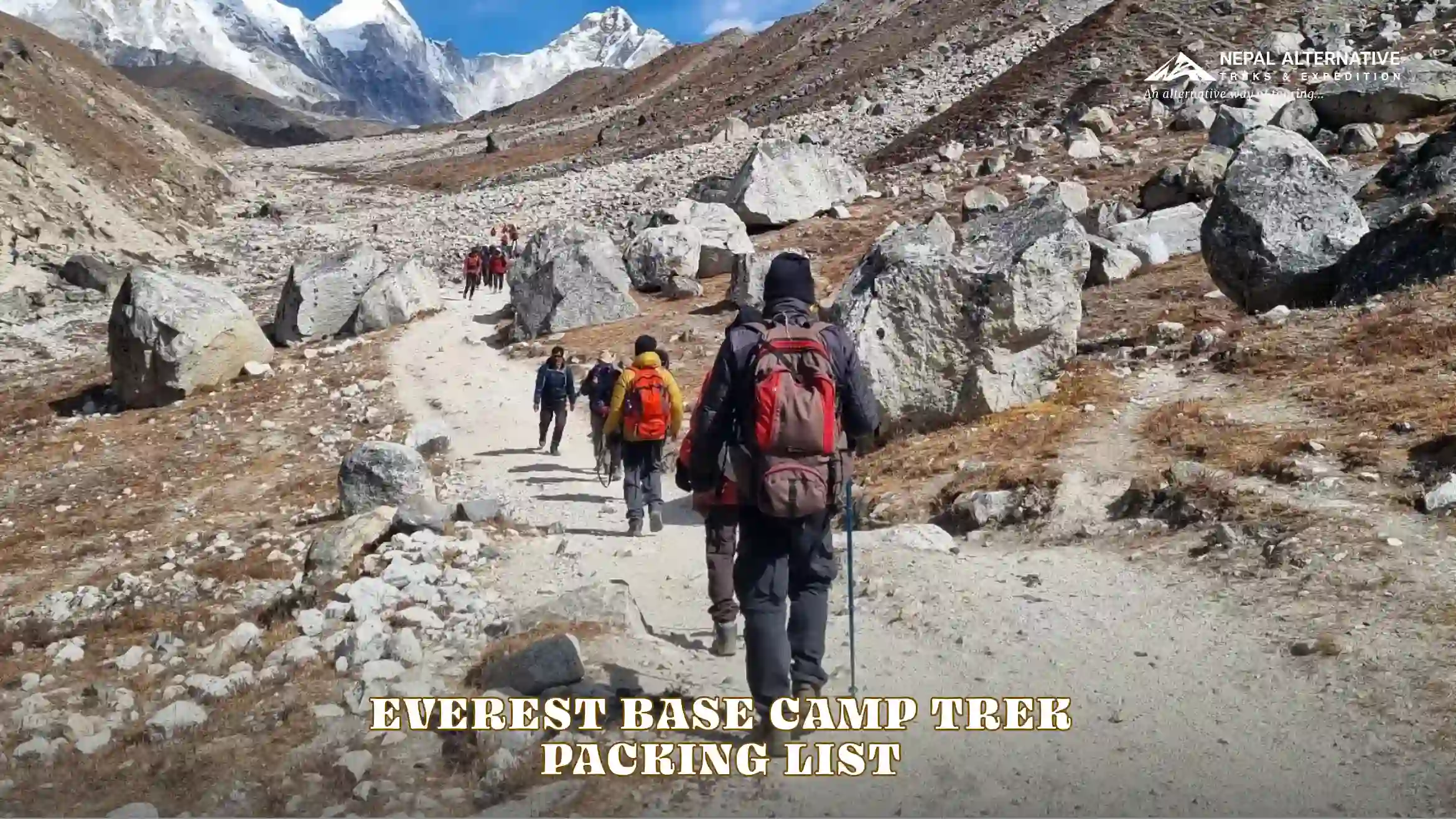
Planning to trek to the iconic Everest Base Camp? Packing properly is one of the most important steps in preparing for the adventure. Unlike moderate-altitude hikes, this trek takes you through varied weather and landscapes in just two weeks. So the items you pack make a huge difference in how safe and comfortable you feel along the way.
The most important things to pack are a flexible 3-layer clothing system: a moisture-wicking base layer, a warm fleece or down layer, and a waterproof outer layer. You also need strong waterproof trekking boots. A warm 4-season sleeping bag suitable for temperatures between -10°C and -20°C, and a good water bottle or hydration system are also necessary for the EBC packing list. Other important items include a headlamp, sun protection, and a power bank.
This Everest Base Camp Trek packing list covers all the essentials from clothing and footwear to trekking gear, toiletries, documents, and how to pack smart, so you can trek with confidence rather than worrying about what you missed or what you overpacked.
| Item | Notes |
| Base layer tops (2-3) | Merino wool or synthetic, moisture-wicking |
| Base layer bottoms (2-3) | Same materials as above |
| Fleece or softshell jacket | Mid-layer insulation |
| Down jacket | Essential for Gorak Shep/EBC cold |
| Waterproof/windproof shell jacket | Gore-Tex or similar |
| Waterproof/windproof shell pants | Over trekking pants |
| Trekking pants (2-3 pairs) | Quick-dry |
| Hiking shorts | Optional for lower altitude |
| Thermal underwear (2 sets) | For sleeping and extreme cold |
| Fleece or wool hat | Covers ears |
| Sun hat/cap | For UV protection |
| Buff/neck gaiter | Dust and wind protection |
| Liner gloves | Lightweight |
| Insulated waterproof gloves/mittens | Heavyweight |
| Hiking socks (4-5 pairs) | Wool or synthetic blend |
| Liner socks (2-3 pairs) | Reduces blisters |
| Underwear (5-7) | Quick-dry synthetic |
| Item | Notes |
| Waterproof trekking boots | Broken in beforehand, ankle support |
| Camp shoes/sandals | Light, for the teahouse evening |
| Gaiters | Snow and debris protection |
| Item | Notes |
| Backpack (40-50 L) | Daypack for trekking |
| Duffel bag | For porter-carried items |
| Sleeping bag (-15°C to -20°C rated) | Mummy-shaped |
| Sleeping bag liner | Adds warmth |
| Trekking poles | Adjustable |
| Headlamp + spare battery | Essential for Kala Patthar hike |
| Water bottles (2x 1L) | Wide-mouth |
| Water purification tablets/filter | For safe drinking water |
| Dry bags/stuff sacks | Organize gear and keep it dry |
| Item | Notes |
| Sunglasses (UV400, category 4) | Glacier-rated |
| Sunscreen (SPF 50+) | High altitude UV is strong |
| Lip balm with SPF | Prevents chapping |
| Power bank / solar charger | Charging services cost more |
| Universal charging cable | For Cameras/Phone |
| Basic first-aid kit | Personal medications, blister care, pain relief, bandages |
| Diamox (acetazolamide) | Consult doctor |
| Toiletries (biodegradable) | Soap, toothbrush, wet wipes |
| Quick-dry towel | Compact travel size |
| Item | Notes |
| Passport (6+ months validity) | Original + photocopies |
| Passport photos (4-6) | For permits |
| Nepal visa | On arrival or pre-arranged |
| Trek permits | Arranged via agency or in Kathmandu |
| Travel insurance (with high-altitude/helicopter evacuation) | Highly recommended |
| Flight tickets (Lukla) | Printed and digital copies |
| Cash (Nepali Rupees) | ATMs unreliable beyond Namche |
| Item | Notes |
| Camera/phone | Carry Power bank |
| Journal and pen | Optional |
| Snacks (energy bars, nuts, electrolytes) | Supplement the teahouse food |
| Reusable cutlery/cup | Optional, eco-friendly |
Having the right trekking equipment for the Everest Base Camp Trek is important for a safe and comfortable adventure. As the trek involves walking on rocky trails, crossing suspension bridges, and trekking at high altitudes where weather conditions can change quickly, reliable trekking gear is essential for your overall journey.
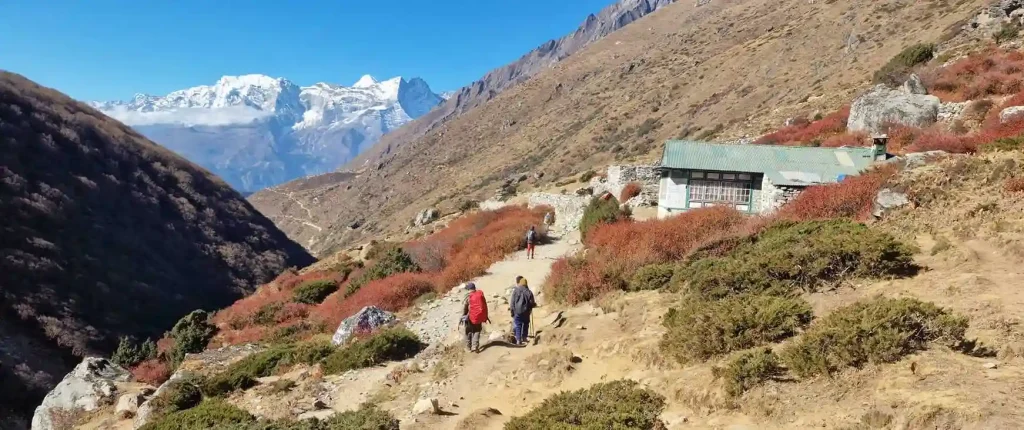
The secret to a successful Everest Base Camp trek is packing smart using two bags. Since the luggage limit is usually 15 kg, you’ll need to pack carefully. Your porter will carry a duffel bag (up to 10 kg), and you’ll carry a daypack (up to 5 kg) with the items you’ll need during the day. This way, you’ll have everything you need while staying within the weight limit.
Your daypack stays with you throughout the hike. So, it should carry things like a water bottle, snacks, a warm layer, sunscreen, sunglasses, and your camera. Choose a backpack with padded shoulder straps, a hip belt, and a chest strap for comfortable carrying on uneven mountain trails.
Your duffel bag holds most of your gear, including extra clothes, your sleeping bag, and other items you won’t need until you reach the teahouse each evening.
Trekking poles and a rain cover are underrated trekking items that can make a big difference on the Everest Base Camp Trek. Trekking poles provide stability on uneven, rocky moraines and can reduce the exhaustive force on your knees by up to 25% on steep descents.
A rain cover for your daypack is just as important. The weather in the Everest region can change quickly, and sudden rain or snow is common. A lightweight rain cover protects your backpack and keeps your clothes, electronics, and other essentials dry throughout the trek.
Sleeping bags and dry bags are essential items for the Everest trek in Nepal. A four-season sleeping bag is one of the most important items to stay warm at night, as rooms in the accommodation points are not heated. For spring and autumn treks, choose one with a comfort rating between -10°C and -20°C. You can also add a sleeping bag liner for extra warmth and better hygiene.
It’s also important to keep your gear dry. Use dry bags inside your duffel bag and daypack to protect your clothes, electronics, and other valuables from rain or moisture. This helps ensure you always have dry clothing and working devices throughout your trek.
Staying hydrated is one of the best ways to reduce the risk of altitude sickness. So, having a good hydration system is crucial for the trek to Everest Base Camp. Carry an insulated reusable water bottle to prevent your water from freezing in cold temperatures, especially at higher altitudes. A wide-mouth bottle is also ideal because it can be filled with hot water and placed inside your sleeping bag to keep you warm at night.
Plan to carry 2-3 liters of water each day, and always purify water from streams or teahouses using water purification tablets before drinking it.
Personal care and proper hygiene can be challenging on the EBC Trek, especially as you gain altitude and teahouse facilities become basic. But if you pack a simple, practical hygiene kit, it’ll help you to stay healthy and comfortable throughout the journey. With the right essentials, you can focus on the trek’s experience in the Himalayas instead of worrying about hygiene.
Toilets at higher elevations are basic. In places like Lukla and Namche Bazaar, you’ll find modern flush toilets. At higher elevations, teahouses have simple squat toilets or bucket-flush toilets, so it’s best to be prepared.
Bring your own toilet paper, as it’s rarely provided and costs more to buy along the trail. Biodegradable wet wipes are useful for staying clean when showers aren’t available or are too cold, and hand sanitizer is essential after using the toilet. It’s also a good idea to carry a few small sealable bags to store used toilet paper or hygiene products until you can dispose of them properly
For female trekkers, it’s important to plan for menstruation and pack enough of your preferred menstrual products, such as pads, tampons, or a menstrual cup, for the entire trek. Also, bring small sealable bags to store and dispose of used products responsibly. Moreover, biodegradable feminine wipes can also help you stay clean and comfortable when showers aren’t available.
Your footwear is one of the most important pieces of gear to pack for the Everest Base Camp Trek. The EBC trail includes rocky paths, steep stone steps, loose gravel, and muddy sections. Since you’ll be walking for 12-14 days, comfortable and reliable footwear is essential. With the right hiking boots and good foot care, you’ll stay comfortable on the trail and be able to enjoy the incredible Himalayan scenery instead of worrying about sore feet.
After a long day of hiking, you’ll feel relaxed taking off your heavy trekking boots and wearing a pair of camp shoes or slippers. They give your feet a chance to rest, breathe, and dry out after long hours of walking. Lightweight sandals, Crocs, flip-flops, or lightweight sneakers are all good options.
Quality socks are just as important as your trekking boots. Avoid cotton socks, as they absorb sweat, stay wet, and can cause painful blisters. Choose merino wool or synthetic fabric trekking socks because they keep your feet dry, help regulate temperature, and stay fresher for longer.
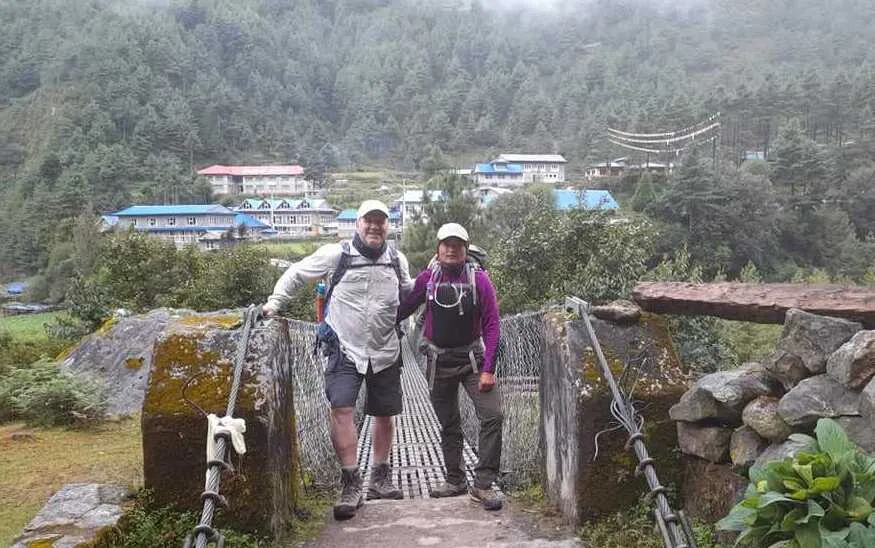
Pack your electronics carefully for the Everest Base Camp trek. Electricity is scarce, especially above Namche Bazaar, and cold temperatures can drain batteries much faster than usual. Bring only the devices you’ll actually use. One golden rule of electronics on the Everest trail is “Charge whenever you can, wherever you can.”
Take every opportunity to charge your devices in Lukla and Namche Bazaar, where electricity is more reliable, and charging is cheaper. As you trek higher to places like Dingboche and Lobuche, charging becomes more expensive, less reliable, and may only be available for a few hours. Carry a fully charged power bank and use your device batteries wisely so you have enough power when you need it most.
| Items | Recommendation |
| Smartphone | One modern device; keep in inner pocket, use Airplane Mode when not needed. |
| Camera | Optional; if bringing, carry 2-3 spare batteries. |
| Power Bank | Minimum 20,000 mAh from a reputable brand. |
| Universal Adapter | Covers Type C, D, M. |
| Charging Cables | 2-3 cables. |
| Headlamp | 150+ lumens, with spare batteries or rechargeable. |
| Spare Batteries | For cameras/headlamps, store in warm pockets. |
| Multi-Port Wall Charger | 2-3 USB ports to charge multiple devices simultaneously. |
The key to a successful Everest Base Camp trek is to match your gear to the season. While the basic layering system stays the same, the clothing and equipment you’ll need can vary greatly depending on the season.
Here is a breakdown of what to pack for each season, including the two peak seasons, spring and autumn, as well as the extra challenges of winter and the monsoon season.
Spring and autumn are two of the most favorable times for the Everest Base Camp trek, with the most reliable weather, clear skies, and moderate temperatures. If trekking during these seasons, your focus should be on layering your clothing so you can stay comfortable in changing conditions, from warm sunny days to freezing cold nights.
| Gear Category | Recommendation |
| Clothing System | Base layer: A moisture-wicking layer that keeps sweat away from your skin and helps you stay dry. Mid layer: A warm fleece layer that provides insulation and keeps you comfortable in cold conditions. Outer layer: A waterproof and windproof jacket and pants that protect you from rain, snow, and strong mountain winds. |
| Insulation | A lightweight down or synthetic jacket for cold evenings and higher altitudes. Temperatures at Everest Base Camp can fall to around -10°C (14°F) at night. |
| Key Accessories | Sun protection, including a sun hat, UV-protection sunglasses, and sunscreen. Lightweight gloves and a buff or neck gaiter. |
Winter is the coldest and one of the most challenging seasons for the Everest Base Camp trek, with fewer trekkers and limited teahouse openings. Winter trekking is best suited to well-prepared trekkers or those accompanied by experienced guides. Also, your packing should focus on maximum protection against extreme cold, especially at night, when temperatures at high altitudes can drop to -20°C (-4°F) or lower.
| Gear Category | Recommendation |
| Insulation | A heavy-duty down jacket rated for temperatures of -10°C or colder. For extra protection against the extreme cold, also pack insulated pants, warm thermal socks, and a balaclava to keep your body fully covered and comfortable. |
| Handwear | Upgrade to down mittens worn over lightweight inner gloves for better warmth and protection. |
| Sleeping Gear | A 4-season sleeping bag rated for -15°C or lower is essential for staying warm. Hand warmers are also useful for keeping your fingers warm. |
| Footwear | Waterproof boots with good grip and gaiters to keep snow out. |
The monsoon is the least preferred and most challenging time to trek to Everest Base Camp because of heavy rain, muddy trails, and reduced visibility. While it is strongly recommended not to trek during the season, many adventure seekers with high-altitude experience and good physical fitness still prefer to attempt the trek. If you choose to trek during this period, your packing should focus mainly on staying dry and protecting your gear from wet conditions.
| Gear Category | Recommendation |
| Waterproofing | A high-quality waterproof jacket and pants. A rain cover for your backpack and dry bags for electronics, documents, and other valuables to prevent water damage. |
| Footwear | Sturdy waterproof trekking boots with a strong grip. |
| Trail Challenges | Be prepared for leeches on the lower sections of the trail, especially below Namche Bazaar. Carry leech-resistant socks and a small amount of salt as a precaution. Since afternoon rain is common and can cause delays, start your day early to complete most of the trek during the clearer morning hours. |
One of the most common mistakes first-time trekkers make when taking the EBC journey is overpacking. Remember, you usually have a 15 kg weight limit with 10 kg for your porter’s duffel and 5 kg for your daypack. At altitudes above 5,000 m, even a small amount of extra weight can feel much heavier. By packing smart and bringing only what you truly need, you’ll travel lighter and enjoy the trek more comfortably. The golden rule of packing is “If you’re unsure whether you’ll need it, you probably won’t. Leave it behind.“
Here are the items you can leave behind on your adventure to Everest Base Camp without bringing them with you:
Clothing is where many trekkers overpack. You don’t need a new outfit for every day of the trek.
Electronics are the items that add a lot of weight on a trek and are also rarely used.
Many first-time trekkers think bringing more gear is safer, but in reality, packing only what you really need is one of the best ways to make your trek easier and more enjoyable. Every item in your backpack should have a purpose. So, the key to the Everest Base Camp packing list is packing smart, not more. Before putting anything into your bag, ask yourself: “Will I be happy I carried this all the way to Everest Base Camp, or will I wish I had left it behind?”
Here’s why packing smart is better than packing heavy for the Everest Base Camp trek.
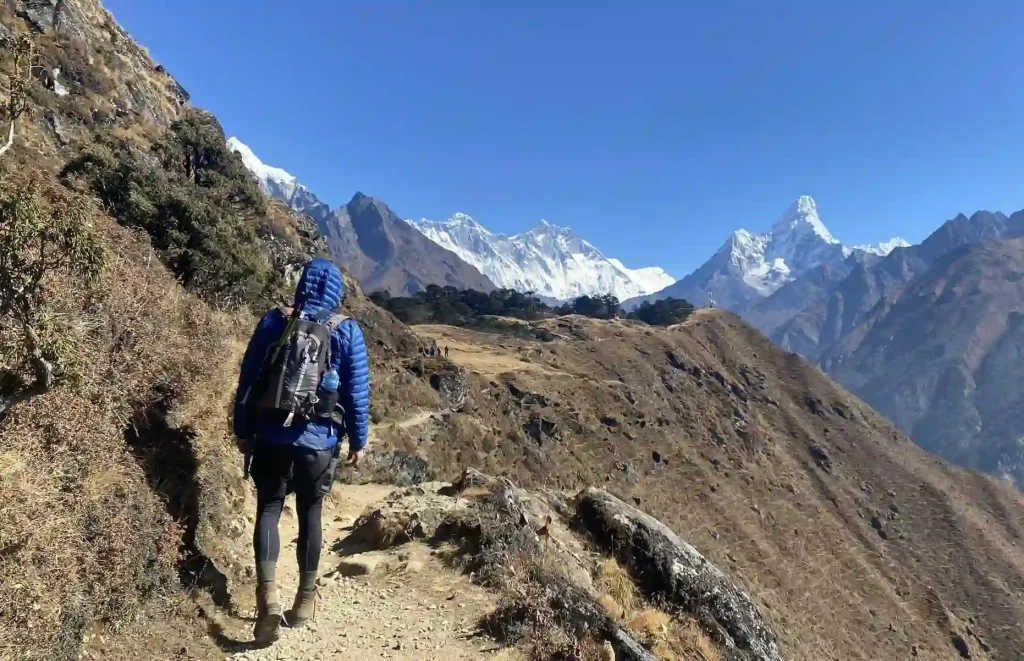
A 15 kg bag may feel fine at sea level. But around 5,000 m, where the air is thinner and the trails are steep, that same bag feels much heavier. Carrying unnecessary items only adds extra weight, making long trekking days much more exhausting. As a result, you have to pay extra to carry more kilograms of your belongings.
The EBC trek requires walking 5-7 hours each day on challenging mountain trails. Carrying extra clothes, gadgets, or unnecessary items makes the journey more tiring, especially at high altitudes where the thinner air provides less available oxygen. A lighter backpack reduces fatigue, conserves energy, and lets you enjoy the amazing mountain views instead of focusing on the weight you are carrying.
Many trekkers pack too many clothes because they worry about running out of clean ones. However, basic laundry services are available in several villages along the Everest Base Camp route, though options become more limited at higher altitudes. Instead of carrying clothes for the entire trek, pack enough for a few days and wash items on acclimatization days. This can reduce the weight of your backpack.
Smart packing is not just about carrying less weight; it is also about keeping your gear organized. Use packing cubes or dry bags to separate your clothes, toiletries, electronics, and first-aid supplies. Keep frequently used items like your water bottle, rain jacket, sunscreen, and camera easily accessible in your daypack. Good organization saves time, keeps your bag manageable, and makes the trek more comfortable.
For the Everest Base Camp Trek, your backpack should weigh around 8-12 kg (17-26 lbs) to keep it light enough for comfortable daily walking. If you hire a porter, aim to carry only essentials (about 5-7 kg) in your daypack.
The best jacket for the Everest Base Camp Trek is a warm, waterproof, and windproof down or insulated jacket suitable for temperatures below freezing.
Yes, you can do laundry during the Everest Base Camp (EBC) Trek in villages like Namche Bazaar and Dingboche. But, beyond Dingboche, laundry services are very limited.
First-time trekkers generally forget to pack water purification tablets, toilet paper, a power bank, sun protection, a headlamp, and blister care for the EBC Trek.
If you’re a seasonal trekker who doesn’t want to invest in expensive items, you can rent trekker gear. But buying your own gear is better for frequent trekkers, as it offers better fit, comfort, and long-term value.
Need assistance? Our travel expert Tej Bahadur Gurung is here to help! Please fill out the form below to initiate a chat and get your queries resolved quickly.