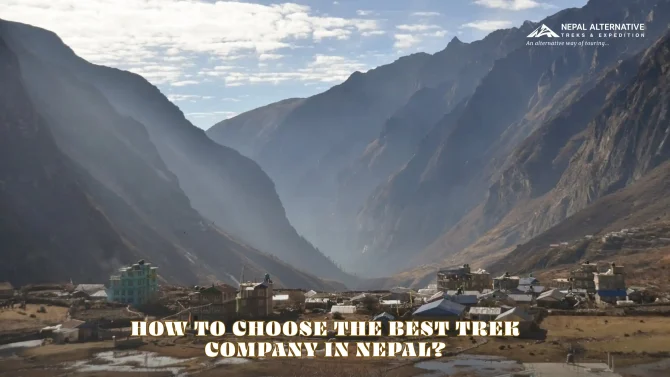
The Langtang Valley Trek in Nepal is a popular choice for trekkers seeking a blend of natural beauty and cultural immersion. It takes place in the beautiful Langtang region, home to the Tamang and Sherpa people. Thus, it offers you a glimpse of the authentic lifestyle of the Langtang villages. The trek takes only 8 days, accessible from Kathmandu offering a scenic road to Syabrubesi.
The Langtang Trek is moderately difficult. You won’t need any technical climbing skills, so it’s suitable for beginners as well as seasoned trekkers. However, it involves some steep ascents, descents, and rocky paths, making it difficult to walk. You can expect to trek 5 to 7 hours daily through varying terrain.
The highest point of the trek is around 5,000 meters at Tserko Ri (an optional hike), where you’ll be rewarded with panoramic views of Langtang Lirung (7,227 meters) and other magnificent peaks. You’ll need acclimatization days to tackle the altitude and avoid sickness. If you are planning to conquer both Kyanjin Ri & Tserko Ri in one day, you should definitely check out the Possibility of Kyanjin Ri & Tserko Ri in 1 day, so you can plan and prepare better.
Whether you’re a novice or an experienced trekker, with the right preparation—like packing warm clothes and training for the Langtang—you’ll find the trek both manageable and rewarding.
What is the best season to take the Langtang Valley trek?
The peak seasons for the Langtang Valley Trek are spring (March to May) and autumn (September to November). The trek is safer and more enjoyable due to the clear skies, moderate temperatures, and stable weather. In spring, the hills are filled with vibrant rhododendron blooms, while autumn showcases breathtaking mountain views and a festive cultural atmosphere. Thus, seasons also affect the Langtang trek significantly.
Off-seasons Difficulties
If you are trekking during the off-seasons, like monsoon season or winter, this trek can be quite challenging. You might face the following obstacles:
Unpredictable Weather: It is a challenging trek due to heavy rain, snow, or extreme cold during these seasons.
Slippery Trails: The Langtang region faces heavy rainfall, which makes the trail muddy. In addition, paths may become icy during winter increasing the risk of accidents.
Limited Visibility: Fog and clouds can obstruct the views.
Natural Hazards: Landslides or snow accumulation may block routes.
Fewer Facilities: Many tea houses and lodges may close, leaving fewer options for food and accommodation.
Yes, beginners can absolutely take on the Langtang Valley Trek! While the trek involves walking for several hours each day and gaining significant altitude, with the right preparation, it’s very doable. Make sure to start early and slow, take regular breaks, stay hydrated, and prepare mentally and physically.
How Does High Altitude Affect the Trek?
The Langtang Trek route takes you to Kyanjin Ri at 4,773 meters (15,655 feet). With such high altitudes comes the real risk of altitude sickness. Common symptoms include headaches, nausea, dizziness, and fatigue, especially if your body hasn’t had enough time to adjust to the thinner air.
To stay safe, it’s important to plan your trek, which will consist of acclimatization days that will allow your body to adapt. Climbing at a steady pace rather than rushing is equally crucial, as it helps reduce the chances of experiencing these symptoms. You should stay aware of how you’re feeling to help recognize the early signs of altitude sickness.
If symptoms don’t improve or get worse, the best course of action is to head back down to a lower altitude immediately. Ignoring these warning signs can lead to serious complications. By preparing well, pacing yourself, and staying alert, you can make your trek not only safer but far more enjoyable, letting you focus on the beauty and adventure of the journey.
How to Prevent Altitude Sickness
Altitude sickness is a common concern when trekking at high altitudes like Kyanjin Ri. To reduce the risk and ensure a safer trek, it’s crucial to follow a few key precautions:
Ascend Gradually: Take acclimatization days and avoid rapid elevation gains.
Stay Hydrated: Drink plenty of water but avoid overhydration.
Pace Yourself: Keep a steady pace to avoid overexertion and allow your body to adjust.
Watch for Symptoms: Be aware of signs like headaches, dizziness, and nausea, and descend if they persist.
Here’s an 8-day trek itinerary for the Langtang Valley, covering the major highlights and daily distances, durations, and elevation gain throughout the short trek.
Days
Itinerary
Duration / Distance Covered (in hours)
Elevation
Day 1
Drive to Syabrubesi from Kathmandu
7-9 hours
1,460 m
Day 2
Trek to Lama Hotel
6-7 hours
2,480 m
Day 3
Trek to Langtang Village
5-6 hours
3,430 m
Day 4
Trek to Kyanjin Gompa
4-5 hours
3,860 m
Day 5
Explore Around
4-5 hours (depending on exploration)
5,000 m
Day 6
Trek down to Lama Hotel
5-6 hours
2,480 m
Day 7
Trek to Back to Syabrubesi
6-7 hours
1,460 m
Day 8
Drive to Kathmandu
7-9 hours
1,460 m
What Terrain and Trail Conditions Should Trekkers Expect?
The Langtang Valley is a moderate trek offering a mix of terrains, from steep ascents to uneven, rocky paths. The trails are well-marked, but higher altitudes bring rougher terrain. You’ll encounter winding paths, rocky steps, and occasional narrow paths, which can be tough for those not used to hiking.
Proper trekking boots and poles are must-haves for stability and support. The journey can be physically demanding, but with preparation, the challenges become part of the adventure.
Is Prior Trekking Experience Necessary?
Not at all! Prior trekking experience is helpful but not necessary. As long as you’re in good shape and have prepared with cardio and strength training, you’ll be fine. Beginners are welcome, especially those who have some endurance-building hikes beforehand.
How Long is the Langtang Valley Trek?
It takes about 7 to 10 days to complete the trek, depending on your itinerary and acclimatization needs. Although the Langtang Trek is considered a moderately difficult trek, it can be physically demanding for beginners. It requires stamina over consecutive days and preparation for both the distance and the altitude changes.
Distance Covered Per Day
On average, trekkers cover 10-15 kilometers per day, with a daily trek of about 6-7 hours. While the distances themselves might seem manageable, the altitude changes and rough terrain make the trek more physically demanding.
High-altitude treks in this region require strong endurance and adaptability. Due to the decrease in oxygen levels, you will feel more exhausted with each step as you move through the varying landscapes.
What Role Does Weather Play in the Trek’s Difficulty?
While the trek is possible year-round, the weather has a big impact on the trek’s difficulty. The best times for Langtang Valley Trek are spring and autumn as the weather is more stable and clear. These seasons offer the best visibility and overall trekking conditions.
Meanwhile, off-season trekking in the winter or monsoon season adds challenges like snowfall, rain, and muddy or slippery trails. The view, trail safety conditions, and overall comfort are also affected, making the trek more difficult.
What Types of Facilities We Get Along the Trekking Route?
Along the Langtang Valley Trek, you will find a variety of teahouses and lodges providing basic amenities. These teahouses are spread along the route, offering a comfortable place to rest and take a break from the stress of the trek. At lower altitudes, the facilities are relatively better, with more options for food and lodging.
However, as you ascend to higher altitudes and remote places, the facilities become more basic, with limited menu choices and simpler lodging options. You should carry essential supplies such as snacks, personal hygiene items, and extra clothing prior to the trek.
How Can Trekkers Prepare for the Langtang Valley Trek?
Physical Preparation
To successfully complete the Langtang Valley Trek, trekkers should engage in regular cardiovascular exercises such as running, cycling, or swimming to improve stamina. These focus on the legs and core to fulfill the physical demands, making the trek easier. You can also simulate the trekking experience and build endurance by going on regular hikes with a loaded backpack.
Acclimatization
In this trek to the Langtang, proper acclimatization plays a vital role in preventing altitude sickness. Trekkers should plan for adequate acclimatization days to allow the body to adjust to increasing elevations. You can spend extra days at certain points, like Langtang Village or Kyanjin Gompa, to significantly reduce the risk of altitude sickness and overcome the Langtang Trek difficulty.
Proper Gear
Having the right gear makes a big difference on any Trek. So, make sure you have good trekking boots, warm layers, and a waterproof jacket to handle changing weather. You should also carry a sturdy bag, trekking poles, and a small first-aid kit to be comfortable and prepared in case of injury or other problems.
Mental Preparation
The trek can be physically demanding, with steep ascents and altitude changes. You should be prepared for challenging days and keep a positive attitude. It’s best to pace yourself and take regular breaks to help you overcome physical obstacles and enjoy the journey.
Tips For A Successful Langtang Trip
Langtang Valley is a remote place lacking facilities. Here are some crucial tips to make your trek easier and more enjoyable.
Maintain Your Hygiene
Maintaining hygiene in the Langtang Valley is crucial in remote areas like Lama Hotel, Langtang Village, and Kyanjin Gompa. Carry hand sanitizers, wet wipes, and a personal first-aid kit to stay clean on these trek sections.
Stay Hydrated
Always drink filtered or purified water to avoid waterborne diseases. Carry a water purification system or buy bottled water along the trail to stay hydrated throughout the trek.
Stay with a Guide on the Trail
Guides help with navigation, provide insight into local culture and wildlife, and offer assistance in case of emergencies. Hence, trekking with them ensures safety and enhances your trekking experience.
How to Hire a Guide for my Langtang Valley trek
You may hire a guide or porter to make your trekking experience. They will guide you while providing valuable insights about the region and its culture and history. Meanwhile, porters help you carry heavy loads allowing you to focus on the journey and enjoy the surroundings without worrying about luggage.
You can approach local trekking agencies in Kathmandu or Syabrubesi if you’d like a guide. You can also book in advance through reputable companies offering trekking services. Choose licensed guides or porters who have good reviews to ensure quality service.
What Makes the Langtang Valley Trek Rewarding Despite Its Challenges?
Despite its challenges, the Langtang Valley Trek is incredibly rewarding. You’ll witness breathtaking mountain views, explore the rich culture of the Tamang and Sherpa communities, and immerse yourself in Nepal’s natural beauty.
The sense of achievement after trek to Tserko Ri or Kyanjin Gompa is unmatched. This journey through lush forests and alpine meadows makes every step worthwhile.
Sign Up & Get a Chance to win a trip 🥳
Conclusion
The Langtang Valley Trek is one of the most popular treks in Nepal. The amazing views and the unique culture of the region make Langtang Valley Trek worth trying. With the right preparation, like physical training, acclimatization time, or hiring a guide, you can make your trek enjoyable and smooth. Embark on the Langtang Trek now and make unforgettable memories in the heart of the Himalayas!
Andrea Rai is from Solukhumbu. She is an experienced, fluent English-speaking, friendly, and knowledgeable female guide.
She is specialized in the Annapurna area though she has been guided to the Langtang area and Everest regions too. She has 8 years of experience guiding in the Himalayas. She has deep knowledge of ethnic and indigenous cultures. She has good reviews of previous groups that she guided in past.
Let our local mountain experts craft a personalized itinerary around your schedule, fitness level, and travel goals — safe, authentic, and rooted in Nepal Alternative Treks’ trail experience.
Need assistance? Our travel expert Tej Bahadur Gurung is here to help! Please fill out the form below to initiate a chat and get your queries resolved quickly.


 Australia5.0 /5