The Manaslu Circuit Trek is worth it if you want a quieter trail, Tibetan Buddhist villages, and one hard high pass, and you accept a guide and the restricted-area rules. It is not worth it if you want short walking days, a busy tourist strip, or a trek you can set up on your own the day before.
The trek is rewarding, but it is not an easy holiday walk. You need good fitness, time for acclimatization, a licensed guide, and a willingness to stay in simple mountain lodges. This guide explains what makes the Manaslu Circuit special, what you should expect on the trail, how much preparation it requires, and whether it is the right trek for you.
What Is the Manaslu Circuit Trek?
Before deciding whether the trek suits you, it helps to understand what the route involves. The Manaslu Circuit Trek is a long teahouse trek that circles Mount Manaslu, the eighth highest mountain in the world, in the Gorkha district of Nepal. As you climb higher, the landscape changes into alpine meadows, glacial valleys, and dry mountain terrain near Tibet.
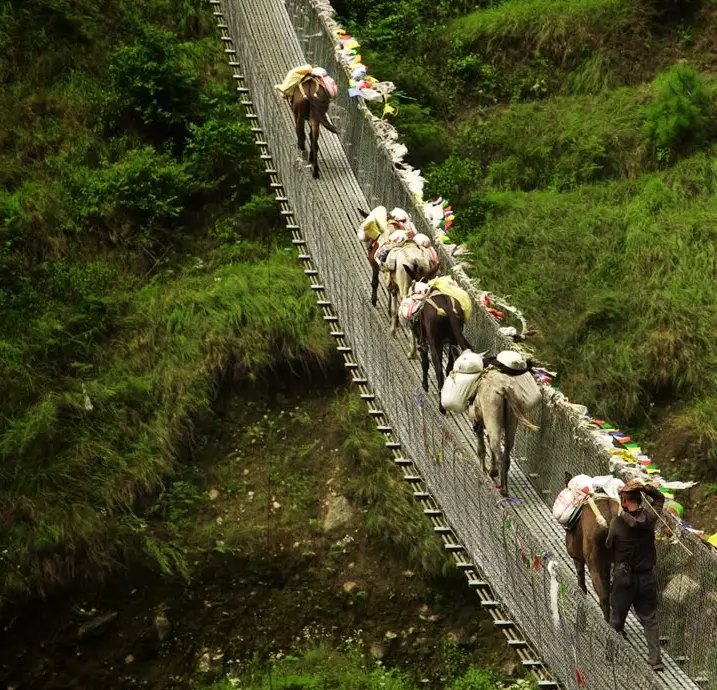
The trek route begins at Machha Khola or Soti Khola and finishes at Dharapani or Besisahar in the Annapurna region. Along the way, you follow the Budhi Gandaki River, cross suspension bridges, and climb through forests and narrow valleys.
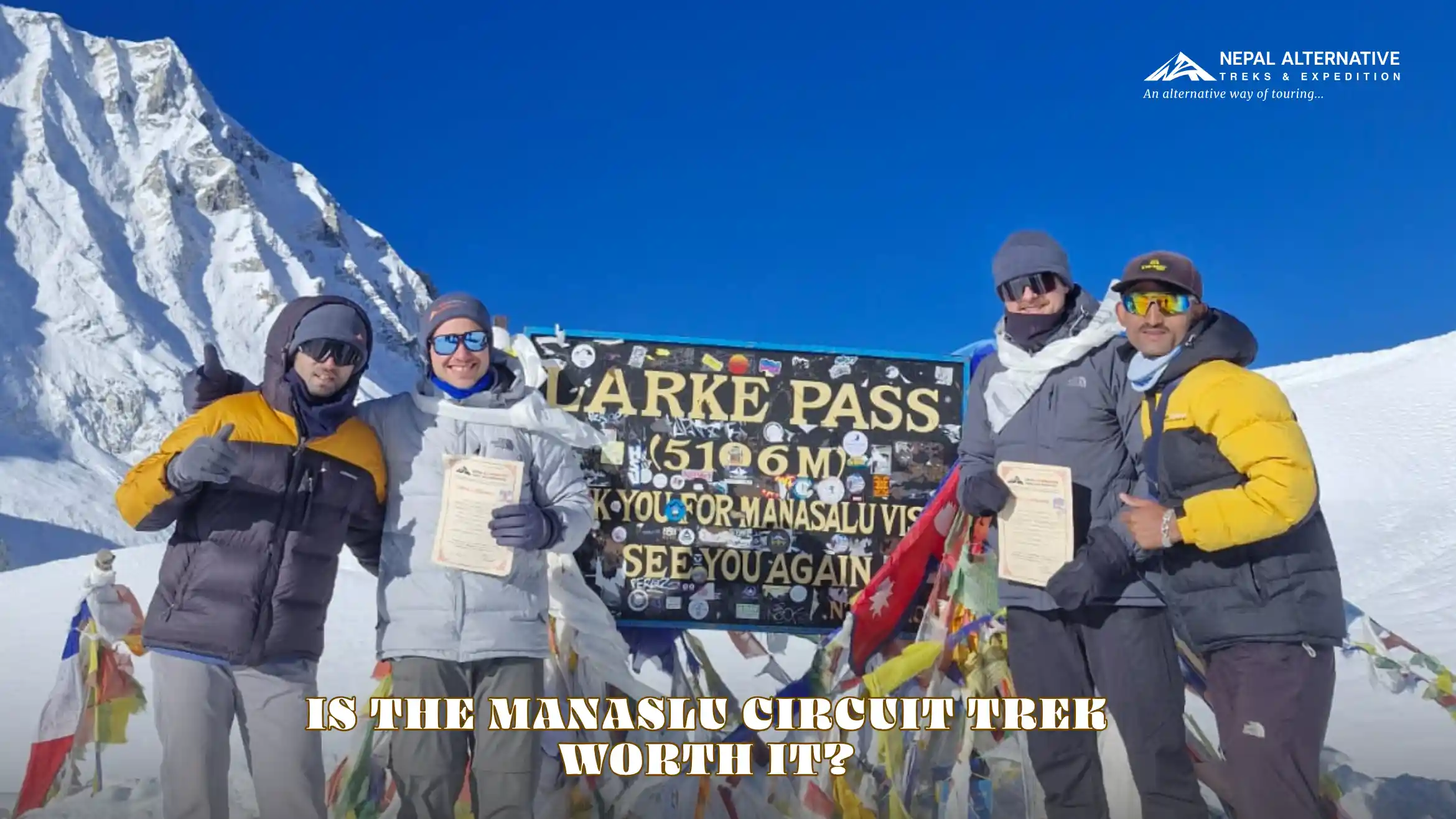
The highest point on the Manaslu Trek is Larkya La Pass, which sits at 5,106 m. From the pass, you can enjoy wide views of Manaslu, Himlung Himal, Cheo Himal, Kang Guru, and Annapurna II when the weather is clear.
Quick Facts About Manaslu Circuit Trek
Here is a quick overview to help you plan your trip and understand the main details of the route.
| Trekking factor | What to expect |
| Mountain scenery | Views of Mount Manaslu, surrounding Himalayan peaks, glaciers, and high valleys |
| Local culture | Traditional villages, Buddhist monasteries, prayer flags, and Tibetan-influenced customs |
| Crowds | Quieter than the Everest Base Camp and Annapurna routes, though busy during peak seasons |
| Trek difficulty | Challenging, with long walking days and a high mountain pass |
| Highest point | Larkya La Pass, at 5,106 m |
| Typical duration | 12 to 16 days, depending on the itinerary and side trips |
| Accommodation | Local teahouses and lodges with basic facilities in remote areas |
| Food | Dal bhat, noodles, soups, potatoes, Tibetan bread, and other simple meals |
| Best seasons | Spring (March to May) and autumn (September to November) |
| Special requirements | Restricted area permit, conservation area permits, and a licensed guide under current rules |
| Best for | Trekkers who value scenery, culture, adventure, and a quieter trail |
8 Reasons Why the Manaslu Circuit Trek Is Worth It
There are many reasons why trekkers choose Manaslu Circuit Trek over better-known routes. The main reasons are the mountain views, peaceful trail, changing landscapes, local culture, and the challenge of crossing a high pass.
1. You See Mount Manaslu From Many Angles
Mount Manaslu is the main attraction of this trek. At 8,163 m, it is the eighth-highest mountain in the world. Along the trail, you get to see its snowy face, ridges, and glaciers from different viewpoints as you walk through the region. Some of the best viewpoints are Lho, Samagaun, Samdo, and Larkya La Pass. On a clear morning, the mountain looks especially beautiful above Lho village.
Early morning is often the best time to see the mountain clearly before clouds move in. Besides Manaslu, you can also see Himalchuli, Ngadi Chuli, Ganesh Himal, Shringi Himal, Baudha Himal, and parts of the Annapurna range. This makes the trek especially rewarding for photographers and mountain lovers.
2. The Trail Is Quieter Than Everest and Annapurna
The Everest Base Camp Trek and Annapurna Circuit attract many trekkers each year. Manaslu also receives visitors, especially in spring and autumn, but many sections still offer a quieter atmosphere than the main trails in those regions. This means you can walk through forested valleys, pass small settlements, and spend time in mountain villages without always encountering large groups.
You will meet other trekkers during the main seasons, especially in October and April. But the trail feels calmer, and the villages are less commercial than many places in the Everest and Annapurna regions. If you enjoy taking your time, watching the landscape, and walking without constant activity around you, this is one of the best reasons to choose Manaslu.
3. The Landscape Changes Every Day
The scenery is one of the strongest reasons to choose Manaslu trek. At the beginning, you walk through warm river valleys, green hills, terraced farmland, and forested slopes. Waterfalls, suspension bridges, and the sound of the Budhi Gandaki River are common features of the lower trail.
As you climb, the vegetation changes. Pine forests and alpine plants appear in different sections, while the views become wider and the air grows colder. Around the higher villages, the landscape opens into broad valleys with snowy mountains in the distance.
Above Samdo, the surroundings become more exposed and rocky. The area around Larkya La feels very different from the green lower valleys. After the pass, the route descends toward Bimthang and the Manang side, where you find another combination of mountain scenery and forest. This variety makes every day feel different.
4. You Experience Real Tibetan Buddhist Culture
The cultural experience is another reason the Manaslu Circuit Trek is worth it. The trail passes through communities with different local traditions and ways of life. The upper Manaslu area has a strong Tibetan influence because it lies close to the Tibet border. Villages such as Lho, Samagaun, and Samdo have stone houses, prayer flags, mani walls, chortens, and Buddhist monasteries.
You can visit Pungyen Gompa, Serang Gompa, and Ribung Monastery during the trek. These places are not only tourist attractions, but they are active religious sites used by local communities. The people of the region include Gurung, Nubri, and Tsum communities. The culture is also reflected in the food, language, clothing, and architecture. Talking with local people and staying in family-run teahouses makes the trek feel more personal.
5. Larkya La Pass Is a Real Achievement
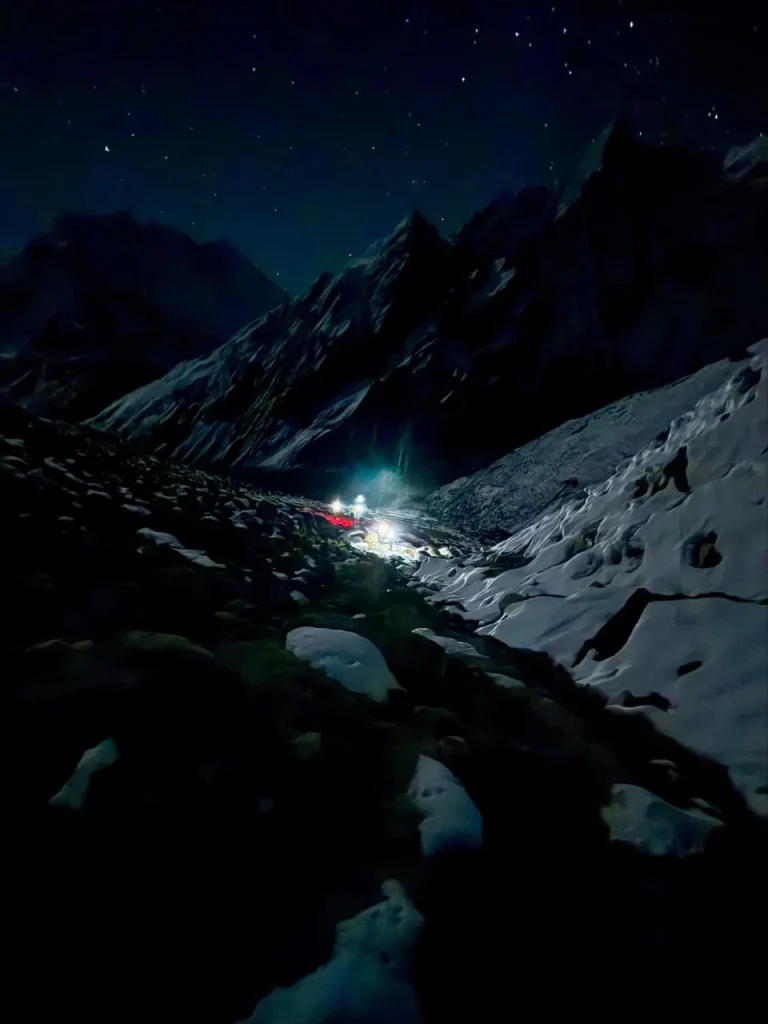
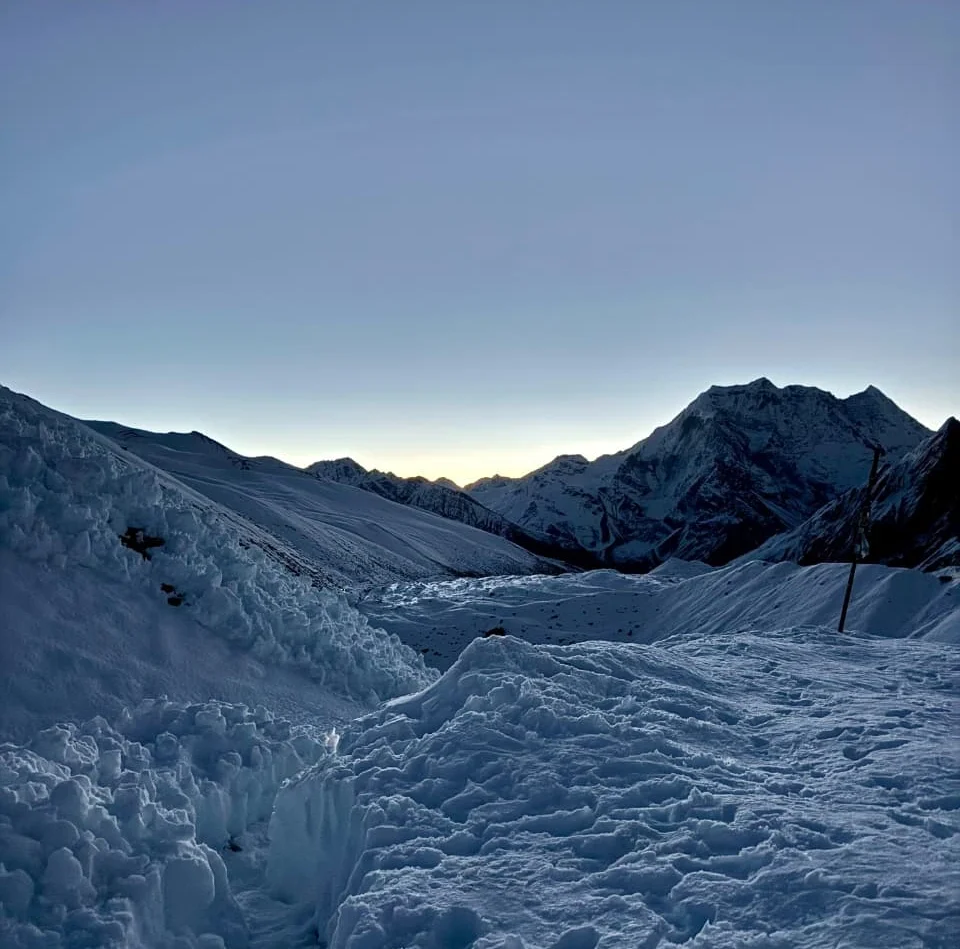
Crossing Larkya La Pass is one of the main highlights of the Manaslu Circuit Trek. The pass sits at 5,106 m and is the highest point on the standard circuit. You start early from Dharamsala, before sunrise, to cross the pass in safer weather. The trail can have snow, wind, and cold temperatures even in the main trekking seasons.
Reaching the top is a rewarding moment. After days of walking through forests, valleys, and villages, you stand at the high point of the circuit with a vast Himalayan landscape around you.
6. There Are Excellent Side Trips
Another advantage of the Manaslu Circuit Trek is the number of side trips you can add if you have extra time. The main trail is rewarding on its own, but side trips make the trek even better. These short hikes add mountain views, lakes, monasteries, and extra time for acclimatization.
Side trips you can explore include:
- Manaslu Base Camp: This is one of the most popular side trips from Samagaun. The hike takes you higher into the mountain landscape and offers closer views of Mount Manaslu and its surrounding glaciers.
- Birendra Lake: This glacial lake near Samagaun is a worthwhile option for trekkers who want a shorter outing. Its mountain setting makes it a good choice for a relaxed afternoon or an acclimatization walk, depending on your itinerary.
- Pungyen Gompa: This Buddhist monastery lies in a scenic mountain area near Samagaun. The hike provides views of the surrounding peaks and offers a cultural experience away from the main trail.
- Rui La viewpoint: From Samdo, an extra hike toward Rui La takes you closer to the Tibetan border area. It offers a different view of the upper valley, but the high altitude makes this a demanding option.
- Tsum Valley: If you have more time, you can extend your trip into Tsum Valley. This side journey explores more remote villages, monasteries, and landscapes with strong Tibetan cultural influences. But it requires several additional days and extra planning.
7. Local Food and Teahouse Life Feel Special
Accommodation on the Manaslu Circuit is simple. The experience is different from staying in a hotel. You stay in family-run teahouses, and the facilities become more basic as you climb toward Dharamsala and Bimthang. Rooms are basic, bathrooms are shared, and hot showers are not always available at higher villages. You spend evenings in small dining rooms, talk with other trekkers, and meet the people who run the lodges.
Meals usually include dal bhat, noodles, momos, soups, potatoes, Tibetan bread, and tea. Dal bhat is a popular choice because it provides steady energy for long walking days. Menu options also become more limited in remote villages.
8. Explore Remote Villages Such as Samagaun and Samdo
The villages along the Manaslu Circuit are more than places to stop for meals and sleep. They help you understand the region and give you time to adjust to the higher altitude. Samagaun is one of the main settlements on the upper route. It sits below Mount Manaslu and is used to spend an extra night before continuing toward Samdo. When at Samagaun, you can visit Birendra Lake, walk toward Manaslu Base Camp, or explore nearby areas if your guide considers the conditions suitable.
Samdo lies farther up the valley near the Tibetan border region. Its setting feels more remote, with open mountain terrain and fewer services than in the lower villages. It is also an important stop before the final approach to Larkya La Pass.
What Makes the Manaslu Circuit Trek Different From Other Nepal Treks?
Manaslu is not automatically better than Everest Base Camp or the Annapurna Circuit. Each trek offers something different, and the right choice depends on what you want from your holiday.
Manaslu Circuit vs Everest Base Camp Trek
The Everest Base Camp Trek is famous for its views of Mount Everest, Sherpa culture, and well-established trekking villages. It also takes you to famous places such as Namche Bazaar, Tengboche, and Kala Patthar.
Manaslu offers a different kind of journey. The route circles Mount Manaslu and includes a high pass crossing, a wider change in landscapes, and many villages with Tibetan-influenced traditions. It generally feels more remote, although this does not mean the trail is empty.
When comparing Manaslu Circuit vs Everest Base Camp, choose Manaslu if you want a challenging circuit trek with fewer crowds on many sections. Choose Everest Base Camp if reaching the Everest region is your main goal or you prefer its more developed trekking infrastructure.
Manaslu Circuit vs Annapurna Circuit Trek
The Annapurna Circuit Trek is known for its mountain views, varied landscapes, and the crossing of Thorong La Pass. It has a longer history of trekking tourism and more developed services in many areas. Manaslu appeals to trekkers who want a more remote setting and a route with strong Tibetan cultural influences. It also has restricted-area requirements that add planning steps and costs.
Road access has changed parts of the Annapurna Circuit, though the experience varies by itinerary. Manaslu has road sections too, particularly near the lower trail, so it is not completely free from vehicle traffic.
If cultural encounters, a quieter atmosphere, and the challenge of Larkya La matter most to you, Manaslu may be the better choice. If you want more accommodation options and greater flexibility in route planning, consider the Annapurna Circuit.
Manaslu Circuit vs Langtang Valley Trek
The Langtang Valley Trek is a shorter option for travelers who want Himalayan scenery and village experiences without committing to a long circuit. Manaslu usually requires more days, a more involved permit arrangement, and a crossing of Larkya La Pass.
Langtang is a better choice if your time is limited or you want a less demanding trekking plan. Manaslu is worth the extra effort if you have enough time and want a longer journey through remote mountain settlements.
| Factor | Manaslu Circuit Trek | Everest Base Camp Trek | Annapurna Circuit Trek | Langtang Valley Trek |
| Main attraction | Remote circuit around Mount Manaslu | Reaching Everest Base Camp | Diverse landscapes and Thorong La Pass | Langtang Valley, Kyanjin Gompa, and close views of Langtang Lirung |
| Duration | 12 to 18 days | 12 to 14 days | 12 to 18 days | 7 to 10 days from Kathmandu |
| Highest point | Larkya La Pass, 5,106 m | Kala Patthar, 5,555 m | Thorong La Pass, 5,416 m | Kyanjin Ri, 4,773 m, or optional Tserko Ri, 4,984 m |
| Crowds | Quieter overall | Most crowded of all | Busier in peak season | Less crowded than Annapurna Circuit |
| Culture | Strong Tibetan Buddhist influence | Sherpa culture and Buddhist villages | Mix of Hindu and Buddhist communities | Tamang and Tibetan Buddhist culture |
| Accommodation | Basic teahouses, simpler in remote areas | Well-developed teahouse network | Well-developed teahouse network | Teahouse-based, with more facilities in lower villages and simpler lodges near Kyanjin Gompa |
| Difficulty | Moderate to challenging | Moderate to challenging | Moderate to challenging | Moderate |
| Best for | Trekkers who want remoteness, culture, and challenge | Trekkers who want the classic Everest experience | Trekkers who want variety and a classic circuit | Trekkers with limited time who want mountains, culture, and a shorter trek |
Is the Manaslu Circuit Trek Worth It for Beginners?
The Manaslu Circuit can be suitable for a beginner who is fit, motivated, and prepared to walk for several days in a row. However, it is a challenging first trek because of the altitude, the length of the route, and the Larkya La crossing.
If you have never completed a multi-day trek, start preparing in advance. Build your stamina with regular walks, uphill hikes, and longer outings with a backpack. If possible, complete a shorter trek before choosing Manaslu. You should also choose an itinerary with adequate acclimatization and travel with a licensed guide who can help you manage the pace.
Is the Manaslu Circuit Trek Worth It Compared With Its Cost?
The Manaslu Circuit Trek is worth the cost because you get a quieter trail, strong culture, high mountain scenery, and a proper wilderness experience in one trek. Your budget also supports the local guide, porter, and local communities who run teahouses along the trail.
Nonetheless, Manaslu Circuit can cost more than some popular treks because it is remote and has special permit and guide requirements. Food, fuel, staff, and supplies must be carried into the mountains, which increases the price. A standard package often costs between USD 885 and 1,300, though the final price depends on group size, trek length, transport, porter support, and hotel category.
To get better value from the trip, choose a realistic itinerary, compare what trekking packages include, and avoid rushing the route to save a day or two. If you have enough time, selected side trips can add more variety to the experience.
Who Should Choose the Manaslu Circuit Trek?
The Manaslu Circuit is a good choice for:
- Adventure seekers: You want to cross a high mountain pass and enjoy a demanding multi-day trek.
- Mountain lovers: You want views of Mount Manaslu and other Himalayan peaks.
- Culture-focused travelers: You are interested in traditional villages, Buddhist monasteries, and Tibetan-influenced customs.
- Trekkers who prefer quieter routes: You want an alternative to Nepal’s busiest trekking trails.
- Experienced hikers: You are comfortable with long walking days, basic accommodation, and changing weather.
- Travelers with enough time: You can set aside roughly two weeks or more for the trek and travel arrangements.
When Is the Manaslu Circuit Trek Not Worth It?
Even though the Manaslu Circuit has many attractions, it is not the right choice for every traveler. It may not be the right choice if you want comfort, short walking days, or to trek solo without guide support.
It may not be worth it for you if:
- You want a comfortable holiday: Accommodation is basic in some villages, and facilities become more limited at higher elevations. You should be comfortable with shared bathrooms and simple meals.
- You have very little time: The trek needs several days of walking, transport, and acclimatization. A rushed itinerary can reduce enjoyment and increase risk.
- You are not prepared for physical effort: Long walking days and steep sections require stamina. The pass crossing can be particularly demanding.
- You dislike unpredictable conditions: Weather, trail conditions, and road travel can affect the plan. You need to be flexible.
- You want to trek independently without a guide: Restricted-area rules require the appropriate permit arrangements and a licensed guide. If independent trekking is essential to you, this route may not suit your plans.
- Your budget is very limited: The permit and guide requirements make Manaslu less flexible than some other trekking options. You should calculate the full cost before committing.
How to Make Your Manaslu Circuit Trek More Worthwhile
You can make your Manaslu Circuit Trek more worthwhile by following these preparations:
- Choose the right itinerary: Do not select a package only because it is shorter or cheaper. Make sure it includes sufficient acclimatization and a realistic plan for crossing Larkya La.
- Prepare physically: Walk regularly, practice uphill hiking, and build up to longer outings. Strong legs and good stamina will help you enjoy the trail.
- Pack for changing weather: Temperatures vary greatly between the lower valleys and the high pass. Bring warm layers, waterproof clothing, gloves, a hat, and suitable trekking boots.
- Allow time for side trips: If you want to visit Manaslu Base Camp or Pungyen Gompa, plan extra days rather than trying to fit everything into an already demanding itinerary.
- Hire a reliable guide: An experienced guide helps with route planning, local communication, trail conditions, and decisions about altitude and weather.
- Keep a flexible schedule: A buffer day can help if transport is delayed or the pass is unsafe to cross on the planned date.
- Respect local communities: Follow local customs, ask permission before taking photographs, and avoid leaving rubbish behind.
- Get suitable insurance: Check that your policy covers trekking at the maximum altitude of your itinerary and emergency evacuation if needed.
Final Verdict: Is Manaslu Circuit Trek Worth It?
Yes, the Manaslu Circuit Trek is worth it for trekkers who want a quieter and deeper Himalayan journey. It offers mountain views, remote villages, Tibetan Buddhist culture, local food, and the challenge of Larkya La Pass.
The trek needs preparation, patience, and respect for altitude. But if you are fit, flexible, and happy with basic teahouse life, the Manaslu Circuit is absolutely worth doing.
FAQs About Manaslu Circuit Trek
Is Manaslu Circuit Trek worth doing?
Yes, the Manaslu Circuit trek is worth doing if you want remote trails, Mount Manaslu views, Tibetan culture, and a challenging high pass. It is less crowded than Everest and Annapurna.
Can I do the Manaslu Circuit Trek solo?
You can travel alone, but you still need to travel with a licensed guide and must book through a registered trekking agency. The restricted area rules do not allow unsupported independent trekking.
How many days does the Manaslu Circuit Trek take?
Most trekkers complete it in 14 to 18 days from Kathmandu. Some faster itineraries take around 12 days, but extra days are safer for acclimatization and side trips.
Is Manaslu trek harder than Annapurna Circuit?
Manaslu Circuit Trek is considered harder than the Annapurna Circuit because it is more remote, has fewer facilities, and requires a guide and a restricted area permit. Both treks include high passes, but Manaslu feels wilder and less developed.
Do I need travel insurance for Manaslu Trek?
Absolutely, you must have travel insurance for the Manaslu trek. Choose insurance that covers trekking above 5,000 m, medical treatment, and helicopter evacuation.
What is the highest point of the Manaslu Circuit?
The highest point of the trek is Larkya La Pass, at 5,106 m.
Is Manaslu Circuit Trek safe?
Yes, the trek is safe with a licensed guide, proper acclimatization, good weather planning, and suitable travel insurance. The main risks are altitude sickness, bad weather, and difficult trail conditions near the pass.
How difficult is the Manaslu Circuit Trek?
The Manaslu Circuit Trek is challenging because of its long walking days, steep trails, high altitude, and the crossing of Larkya La Pass at around 5,106 m.
What is the best month for the Manaslu Circuit Trek?
October is one of the most popular months because the weather is often stable and mountain views are clear. April and May are also good choices, with warmer daytime temperatures and spring scenery. September and November can also be rewarding, but weather and trail conditions vary each year.
Can beginners do the Manaslu Circuit Trek?
Yes, some beginners can complete the Manaslu Circuit if they have good fitness, prepare in advance, and follow a sensible itinerary. However, it is not an easy first trek because of the altitude and long walking days. A shorter trek before Manaslu can help you understand your fitness and comfort on mountain trails.
What are the main attractions of the Manaslu Circuit Trek?
The main attractions include Mount Manaslu, the Budhi Gandaki River valley, traditional villages such as Lho and Samagaun, Buddhist monasteries, Birendra Lake, optional hikes toward Manaslu Base Camp, and the crossing of Larkya La Pass. The changing landscape from green valleys to high alpine terrain is another major highlight.
Can I add Tsum Valley to the Manaslu Circuit Trek?
Yes. Tsum Valley can be added as an extension for trekkers who have extra time and want to explore more remote villages, monasteries, and Tibetan-influenced culture. The extension requires additional days and appropriate permit arrangements. Discuss the route with your trekking agency before booking.
What accommodation and food should I expect on the Manaslu Circuit?
Most nights are spent in local teahouses or small lodges with simple rooms and shared facilities in many locations. Common meals include dal bhat, noodles, soup, potatoes, porridge, and Tibetan bread. Facilities and menu choices become more limited in remote and high-altitude villages, so do not expect hotel-style comfort throughout the trek.