Trip Facts

Weather

Weather -10°C to 20°C

Duration

Duration 13 Days

Difficulty

Difficulty Moderate to Challenging View Difficulty Detail

Accommodation

Accommodation Lodge

Meals Included

Meals Included Breakfast, Lunch, Dinner

Best Season

Best Season Mar, Apr, May, Sept, Oct, Nov

Transportation

Transportation Bus/Jeep

Daily Activity

Daily Activity 5-6 hours, with one 8-hour day over Kang La Pass

Religion

Religion Buddhism

Ethnic People

Ethnic People Gurung and Tibetan-origin communities

Geographic Terrain

Geographic Terrain Mountains, alpine valleys, rivers, waterfalls, villages, and high mountain passes

Region of Nepal

Region of Nepal Annapurna Region (Manang)

Max. Altitude

Max. Altitude 5,320 m / 17,454 ft

Classical Nar Phu Valley Overview

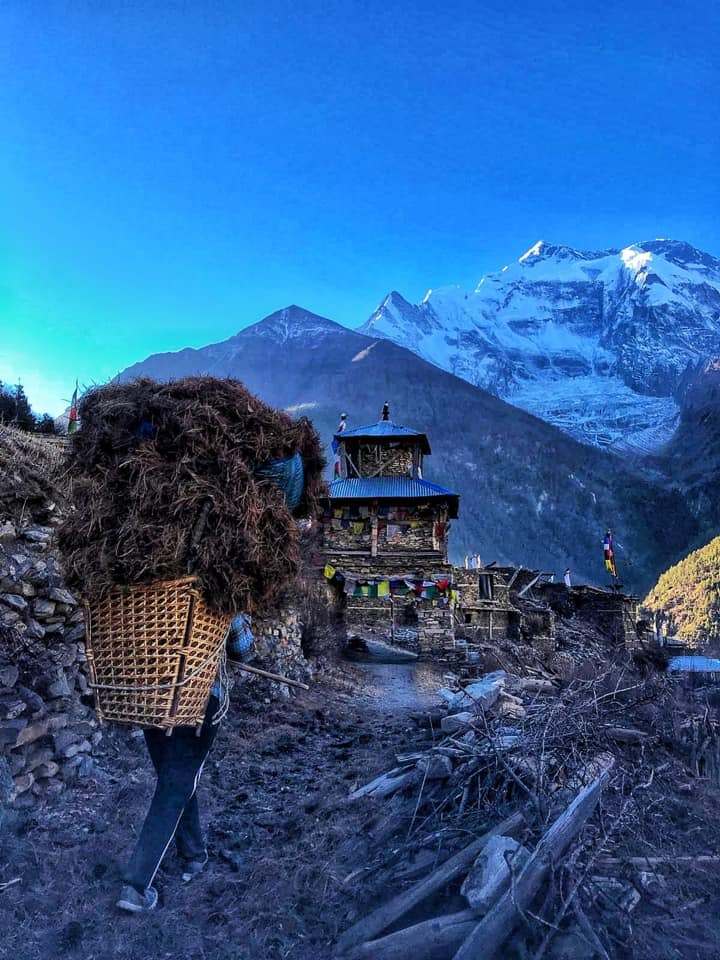
The Classical Nar Phu Valley Trek takes you into two stone villages, Nar and Phu, that sit in a high, dry valley north of the Annapurna Circuit. The valley was closed to foreign trekkers for many years, and it still requires a special restricted area permit. Few groups visit, so much of the trail feels quiet and remote. Most of the people you meet on the trail are yak herders, monks, and families moving between their summer and winter homes.

This is a slower version of our 10 Days Nar Phu Valley Trek. It takes 13 days instead of 10. The extra 3 days are not padding. We add a night in Kyang so the climb from Meta to Phu is split into 2 shorter days. We keep a full day in Phu for a walk around the valley or a day hike towards Himlung Base Camp. We also add a rest day in Nar before Kang La Pass, the hardest day of the trek.

After the pass, we walk on from Ngawal through Ghyaru village and past Green Lake to Pisang, instead of rushing out by jeep the same day. You sleep above 4,000 m on 4 nights, 2 nights in Phu and 2 nights in Nar, so your body has time to adjust before you cross Kang La at 5,320 m. On the way down, the high trail through Ghyaru offers some of the widest views of Annapurna II and the Manang Valley along the route.

The trek starts and ends with a drive. We drive from Kathmandu to Besisahar and on to Koto, where the Nar Phu trail leaves the Annapurna Circuit. At the end, we drive from Pisang back to Besisahar and Kathmandu. This trek suits fit walkers who have completed at least one multi-day trek and want a quieter route with real village life. It is moderate to challenging.

Classical Nar Phu Valley Trek Highlights

  • Explore Phu village, one of the most remote villages in the Annapurna region, and its Tashi Lhakhang monastery.
  • A day hike towards Himlung Base Camp, with views of Himlung Himal and the glaciers above Phu.
  • An extra night in Kyang, a herders’ settlement, for a gentler climb to Phu.
  • A night in the monastery lodge at Nar Phedi.
  • A full rest day in Nar village to explore its monasteries and fields before the pass.
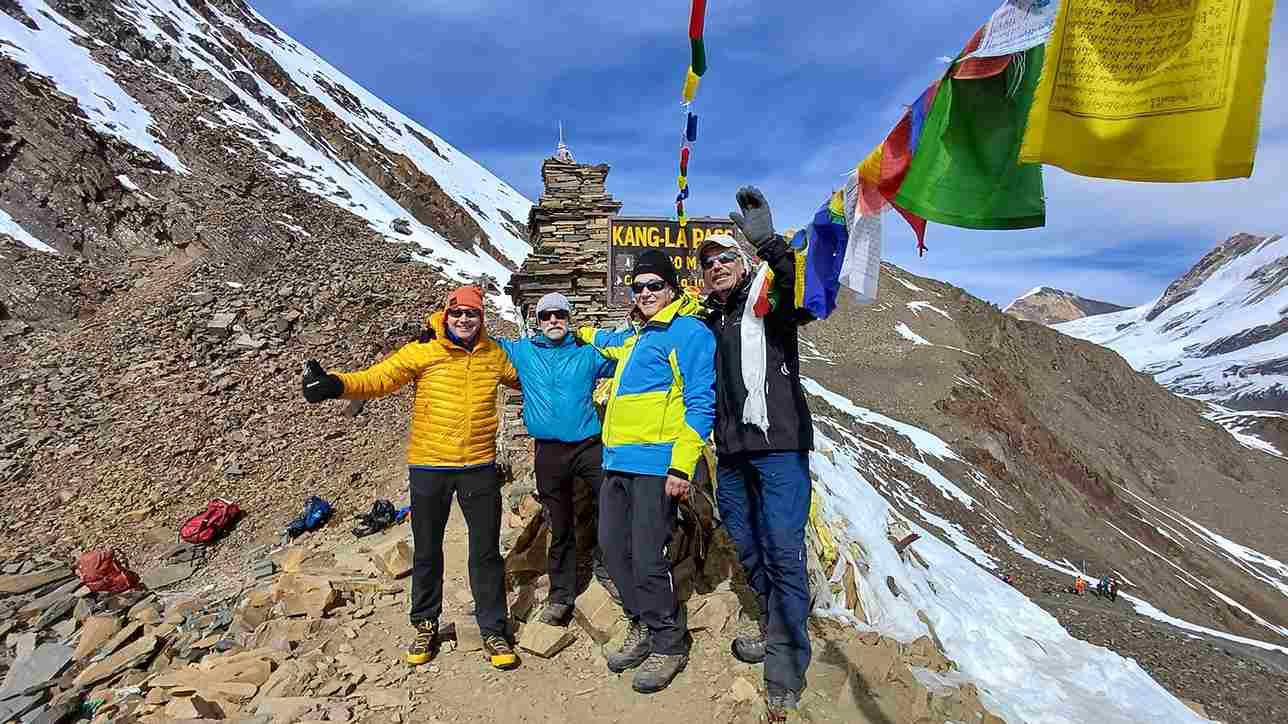
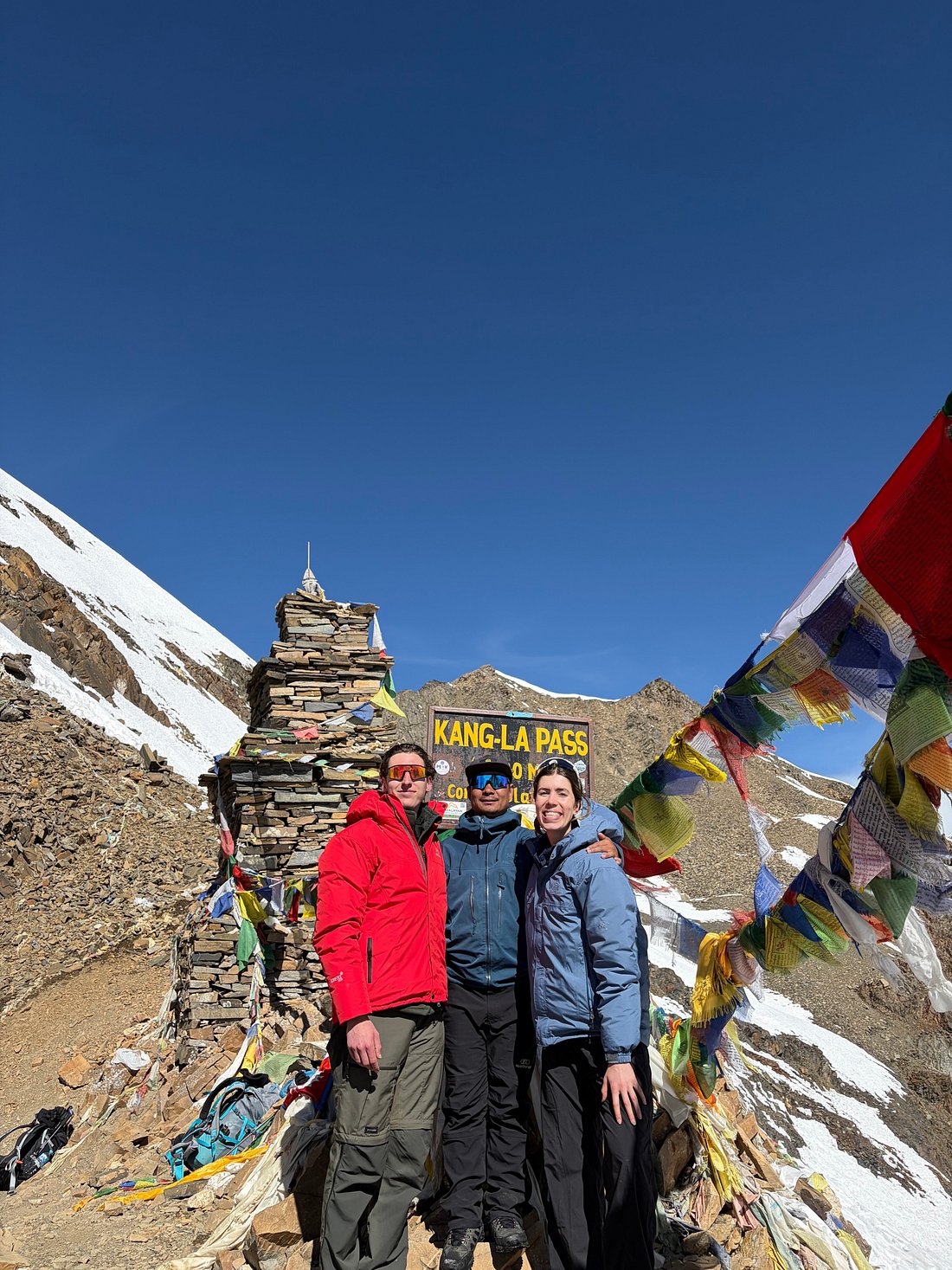
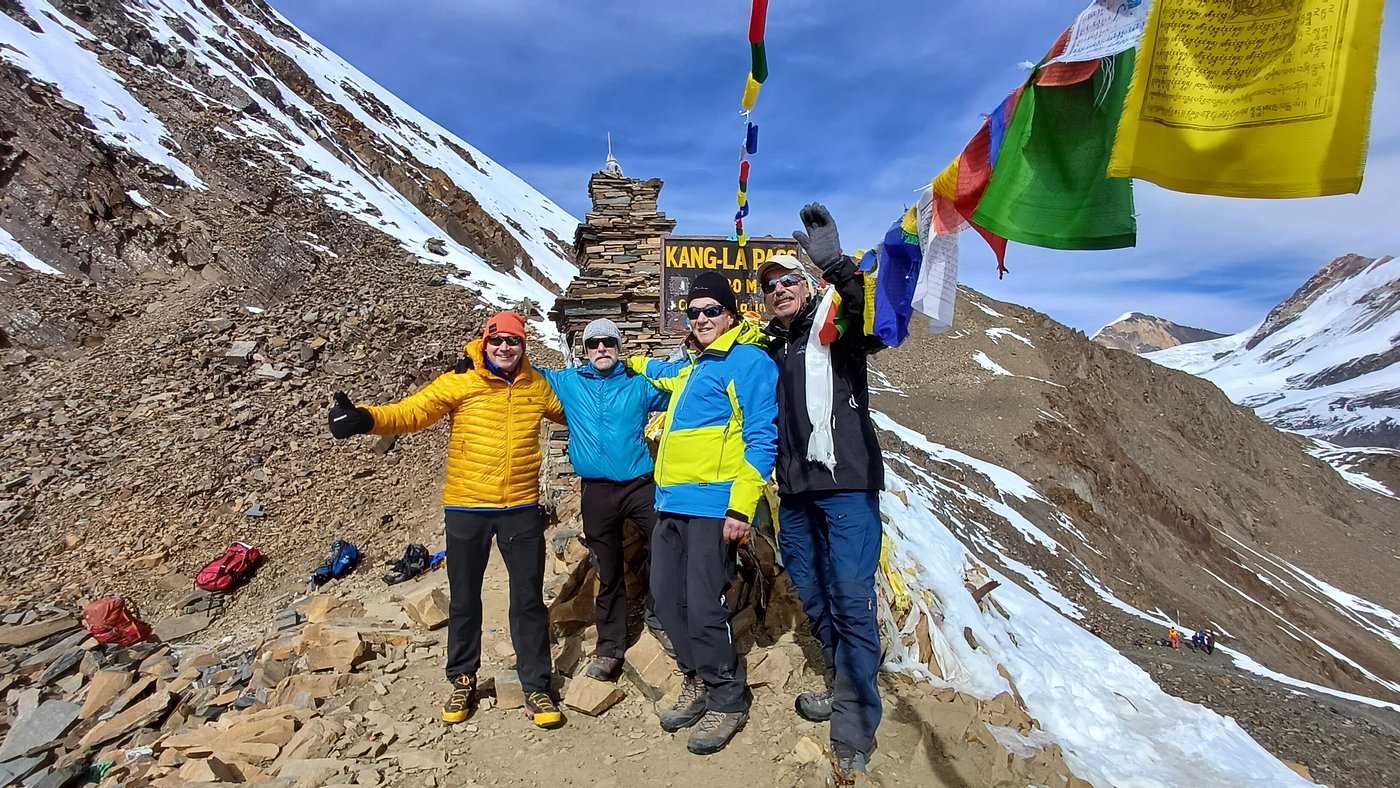
  • Reach the top of Kang La Pass (5,320 m), while enjoying views of Annapurna II, Annapurna IV and Gangapurna.
  • Walk the high trail through Ghyaru village and past Green Lake, above the Marsyangdi valley.
  • Pass narrow gorges, old chortens and prayer walls between Koto and Meta.
  • Stay in quiet lodges and share the trail with very few other trekkers.
How Difficult Is the Classical Nar Phu Trek?

The Classical Nar Phu Valley Trek is moderate to challenging. You walk about 5-6 hours on most days, on trails that are often steep, rocky, and narrow. The hardest day is the crossing of Kang La Pass. It takes about 8 hours and 18 km, with a long climb to 5,320 m and a steep, loose descent.

Altitude is the main challenge. You sleep above 4,000 m for 4 nights. This 13-day plan is gentler than our 10-day trek, because it adds a night in Kyang, a rest day in Phu and a rest day in Nar. These days give your body time to adjust and make altitude sickness less likely, though they cannot rule it out.

Likewise, you do not need climbing skills or ropes. You do need good fitness. If you can walk 5-6 hours with a light day pack on hilly ground, 2 or 3 days in a row, you are ready. Some earlier trekking experience helps, because the lodges are basic and the area is remote. For a full guide, read our Nar Phu Valley Trek difficulty page.

Questions before you book?
Our Nepal team replies on WhatsApp with trip details, dates, and custom options.

Detailed Day-to-Day 13 Days Classical Nar Phu Valley Trek Itinerary

Day 1

Drive from Kathmandu to Besisahar (860 m)

Day 1 Facts

Trekking Time Average

160 km Drive (6 hours)

Accommodation

Gateway Himalayan Resort

Altitude

860 m / 2,822 ft

Included meals

Lunch, Dinner

We pick you up from your hotel in Kathmandu in the morning and drive west on the Prithvi Highway. The road follows the Trishuli River for the first few hours, then turns north at Dumre towards Besisahar, the headquarters of Lamjung district. The drive gives you time to settle in and meet your guide.

Besisahar is the usual starting point for treks in the Manang area. In the evening, your guide checks your permits and gear with you and talks you through the next two days. Tonight is the last night with a proper hotel room and steady hot water for a while, so make the most of it.

Day 2

Drive from Besisahar to Koto (2,630 m)

Day 2 Facts

Trekking Time Average

54 km Drive (4 hours)

Accommodation

Mountain View Hotel

Altitude

2,630 m / 8,629 ft

Included meals

Breakfast, Lunch, Dinner

Today we drive by jeep up the Marsyangdi Valley on the road that now runs along the Annapurna Circuit. The road is rough and narrow in places. It passes waterfalls, terraced fields and villages such as Jagat, Tal and Dharapani, then climbs through pine forest to Koto.

Koto is a small village just before Chame, at the point where the Nar Phu trail branches off to the north. Your guide registers the group at the police and conservation checkpoints here. This is where the restricted area begins. Use the afternoon for a short walk around the village to help your body start adjusting to the height.

Day 3

Trek from Koto to Meta (3,550 m)

Day 3 Facts

Trekking Time Average

15 km Uphill hike (6 hours)

Accommodation

Zambala Hotel

Altitude

3,550 m / 11,647 ft

Included meals

Breakfast, Lunch, Dinner

Day 3 of Classical Nar Phu Valley is the first full day on foot. We cross the Marsyangdi on a suspension bridge and enter the narrow Nar Khola gorge. The trail climbs through pine and fir forest, past small waterfalls and caves, and over several bridges. In some places it is cut into the cliff.

Higher up the Nar Phu Valley Trek trail, the forest thins out, and the valley opens up. Meta sits on a wide, open terrace with views of Lamjung Himal and Annapurna II behind you. It is a long uphill day, so walk slowly and drink plenty of water. You climb almost 1,000 m today.

Day 4

Trek from Meta to Kyang (3,840 m)

Day 4 Facts

Trekking Time Average

8 km Uphill hike (4 hours)

Accommodation

Lodge in Kyang

Altitude

3,840 m / 12,598 ft

Included meals

Breakfast, Lunch, Dinner

This is the first day that is different from our 10-day trek. Instead of walking all the way to Phu, we stop at Kyang. The short day helps your body adjust before you sleep above 4,000 m.

The trail climbs gently past the winter settlements of Chyakhu, where families from Phu bring their animals when the snow comes. You pass old chortens and long prayer walls. Kyang is a herders’ settlement on a high plateau above the river, with views back towards Pisang Peak and the Annapurna range. The afternoon is free to rest or take a short walk above the lodge.

Day 5

Trek from Kyang to Phu Village (4,080 m)

Day 5 Facts

Trekking Time Average

8 km Uphill hike (4 hours)

Accommodation

Norling Hotel

Altitude

4,080 m / 13,386 ft

Included meals

Breakfast, Lunch, Dinner

From Kyang, the trail drops to the river and then follows the valley north through a dry, rocky landscape. The valley narrows into a gorge before you reach the old Phu gate, a stone entrance decorated with prayer flags. Not far beyond it, Phu village appears, stacked on a ridge with its flat roofs, fields, and old ruins.

Phu is one of the highest and most remote villages in the region. Its people keep yaks and sheep, as their families have for generations. In the afternoon, rest and let your body adjust. Tonight is your first night above 4,000 m. Tell your guide if you have a headache, poor sleep, or loss of appetite. We check your oxygen level every day.

Day 6

Excursion Around Phu Valley / Day Hike to Himlung Base Camp

Day 6 Facts

Trekking Time Average

Day excursion

Accommodation

Norling Hotel

Altitude

4,080 m / 13,386 ft

Included meals

Breakfast, Lunch, Dinner

Today is a day to explore and acclimatize. You have two options, and your guide will help you choose based on how you feel and the weather.

The easier option is a walk around Phu. Visit Tashi Lhakhang monastery, walk through the narrow lanes of the village, and climb a little above it for views of the valley. The longer option is a day hike towards Himlung Base Camp (4,850 m / 15,912 ft). The trail goes up the valley towards the glaciers below Himlung Himal. It is a long day, and you return to Phu to sleep. Climbing high in the day and sleeping lower is one of the best ways to prepare for Kang La.

Day 7

Trek from Phu to Dharmashala (3,490 m)

Day 7 Facts

Trekking Time Average

12 km Uphill hike (5 hours)

Accommodation

Monastery lodge

Altitude

3,490 m / 11,450 ft

Included meals

Breakfast, Lunch, Dinner

From Phu, we first walk back down the valley the way we came, past Kyang and Chyakhu, then cross the river on a high suspension bridge over a deep gorge. From there, the trail climbs to Nar Phedi, also called Dharmashala, where the only place to stay is the monastery.

Staying at the monastery is one of the most memorable nights of the trek. The monastery runs a simple lodge with shared rooms and a warm kitchen. Dress modestly and ask before you take photos inside.

Day 8

Trek from Dharmashala to Nar Village (4,110 m)

Day 8 Facts

Trekking Time Average

12 km Uphill hike (5 hours)

Accommodation

Khanga La Inn

Altitude

4,110 m / 13,484 ft

Included meals

Breakfast, Lunch, Dinner

From Nar Phedi, the trail climbs steadily up switchbacks above the gorge. You pass a line of colorful chortens before the village comes into view. The climb is steep, but it is shorter than the days before, and you gain about 600 m.

Nar is larger and more open than Phu, with fields of barley and buckwheat around the houses and several monasteries. In the late afternoon, the animals come back to the village from the hills. Rest well tonight. You have a full day here tomorrow.

Day 9

Acclimatization Day in Nar Village (4,110 m)

Day 9 Facts

Trekking Time Average

Short acclimatization hike

Accommodation

Khanga La Inn

Altitude

4,110 m / 13,484 ft

Included meals

Breakfast, Lunch, Dinner

This rest day is the main reason the classical trek is safer than a shorter plan. Tomorrow you climb more than 1,200 m to Kang La Pass. A full day in Nar gives your body time to adjust and gives you the strength for a long day.

Spend the morning visiting the monasteries in the village and walking through the fields. In the afternoon, your guide may take you on a short hike above the village to gain some height before you come back to sleep. In the evening, your guide briefs you on tomorrow: the start time, what to wear, and how much water to carry. Pack your bag the night before.

Day 10

Trek from Nar Village to Ngawal (3,660 m) via Kang La Pass (5,320 m)

Day 10 Facts

Trekking Time Average

18 km Uphill + Downhill hike (8 hours)

Accommodation

Hotel Mountain View

Altitude

3,660 m / 12,008 ft

Included meals

Breakfast, Lunch, Dinner

We start before dawn with headlamps. The trail climbs slowly over rocky ground and then scree towards the pass. Near the top, you may walk on snow, especially in spring and late autumn. Take small steps, breathe steadily, and stop for short breaks only. Most groups reach the pass in the middle of the morning.

At 5,320 m, Kang La is the highest point of the trek. On a clear day, you can see Annapurna II, Annapurna IV, Gangapurna, and the Manang valley far below. The descent to Ngawal is long and steep, on loose ground at first. Poles help a lot here. Ngawal is a quiet village on the upper trail of the Annapurna Circuit. You will be tired tonight, so eat well and rest.

Day 11

Trek from Ngawal to Pisang (3,300 m) via Ghyaru Village (3,670 m) and Green Lake

Day 11 Facts

Trekking Time Average

11 km Downhill hike (5 hours)

Accommodation

Lodge in Pisang

Altitude

3,300 m / 10,827 ft

Included meals

Breakfast, Lunch, Dinner

After the hard day yesterday, today is easier and mostly downhill. We take the high trail of the Annapurna Circuit, which most trekkers miss because they use the road below. It runs along the hillside with views straight across the valley to Annapurna II.

We pass Ghyaru, an old stone village with a monastery and long prayer walls, and stop at Green Lake. Then the trail drops towards Pisang, where we spend the night. It is a good day for photos and an easy way to finish the walking part of the trek.

Day 12

Drive from Pisang to Besisahar (860 m)

Day 12 Facts

Trekking Time Average

80-100 km Drive (5-7 hours)

Accommodation

Gateway Himalayan Resort

Altitude

860 m / 2,822 ft

Included meals

Breakfast, Lunch, Dinner

We drive by jeep down the Marsyangdi Valley on the same road we came up on Day 2. The drive is bumpy, but the views of the gorges and waterfalls are good. Expect stops at the police checkpoints and for lunch on the way.

In the evening, back in Besisahar, enjoy a hot shower and a celebration dinner with your guide and porters. This is a good time to give tips, if you would like to.

Day 13

Drive from Besisahar to Kathmandu (1,295 m)

Day 13 Facts

Trekking Time Average

160 km Drive (5-8 hours)

Altitude

1,295 m / 4,249 ft

Included meals

Breakfast

After breakfast, we drive back to Kathmandu on the same highway. We drop you off at your hotel in the afternoon. The evening is yours. Hotel and meals in Kathmandu are not included, so you can choose where to stay and eat.

What do you get in the Trip?

Cost Includes

  • Pick-up from Tribhuvan International Airport and transfer to your hotel in Kathmandu
  • Lodge accommodation (double or twin sharing) during the trip
  • All meals (breakfast, lunch and dinner) on the trek
  • One experienced, first aid-trained, government-licensed trekking guide who speaks fluent English, and porters (one porter for two people)
  • Food, accommodation, salary, insurance, transport and equipment for the guide and porters
  • Overland transport as listed in the itinerary
  • Annapurna Conservation Area Permit (ACAP), Nar Phu Restricted Area Permit (RAP) and other required documents
  • A trekking map, a daily oxygen saturation check, a beanie, a first aid kit, water purification, fresh seasonal fruit, a trek completion certificate and a company T-shirt
  • Government tax and service charge
  • Help with emergency rescue and evacuation
  • Public liability insurance

Cost Excludes

  • Hotel and meals in Kathmandu
  • Drinks such as tea, coffee, soft drinks, hot water, bottled water and beer
  • Hot showers, device charging, laundry, phone and bar bills
  • Personal travel insurance
  • International flights
  • Nepal tourist visa fee
  • Tips for the guide and porters (highly suggested)

Add-ons and Options

Enhance your Nar Phu Valley Trek with optional services, including porter support, private transfers, trekking gear rentals, rafting, sightseeing tours, flights, and hotel accommodation.

To include an add-on, select your preferred Nar Phu Valley departure date, browse the add-on options during booking, choose the services you need, and complete your reservation.

Add-on Price Details
Personal porter USD 260 per porter A dedicated porter carries your heavier belongings, letting you trek with only essential items and at a more comfortable pace.
Kathmandu to Besisahar private transfer Car: USD 100; Jeep: USD 150; Van: USD 200 Travel privately from Kathmandu to Besisahar in the vehicle of your choice, with greater flexibility and comfort.
Kathmandu to Koto private jeep USD 250 per jeep Enjoy a direct private jeep transfer from Kathmandu to Koto, the starting point of the trek.
Trekking gear rental USD 13 per item Rent a sleeping bag, warm jacket, crampons/spikes, or trekking poles to reduce the amount of equipment you need to pack.
Trishuli River rafting USD 45 per person Add a rafting day on the Trishuli River, including private transfers, with a mix of rapids and calmer stretches.
Kathmandu city tour USD 30 per person Explore Kathmandu’s temples, heritage squares, and local markets with an experienced guide.
Pokhara sightseeing tour USD 30 per person Take a guided half-day tour of Pokhara’s key attractions, lakeside areas, and scenic viewpoints.
Besisahar to Pokhara private transfer Car: USD 100; Jeep: USD 150 Travel from Besisahar to Pokhara privately for a more comfortable journey after the trek.
Pokhara to Kathmandu flight USD 120 per person Add a one-way flight between Pokhara and Kathmandu for a quicker and more convenient transfer.
Paragliding in Pokhara USD 90 per person Experience a 45-minute tandem paragliding flight with aerial views of Pokhara’s lakes and surrounding mountains.
Zipline in Pokhara USD 80 per person Add an exciting zipline experience near Pokhara as a short adventure activity.
Hotel in Pokhara USD 50 per night Stay in a comfortable double or twin-share room with breakfast, either before or after your trek.
Everest scenic flight USD 300 per person Take a one-hour sightseeing flight over the Everest region, including private airport transfers in Kathmandu. This is a flight-seeing experience only; no landing is included.

Weather Variation and Best Time to Do the Trek

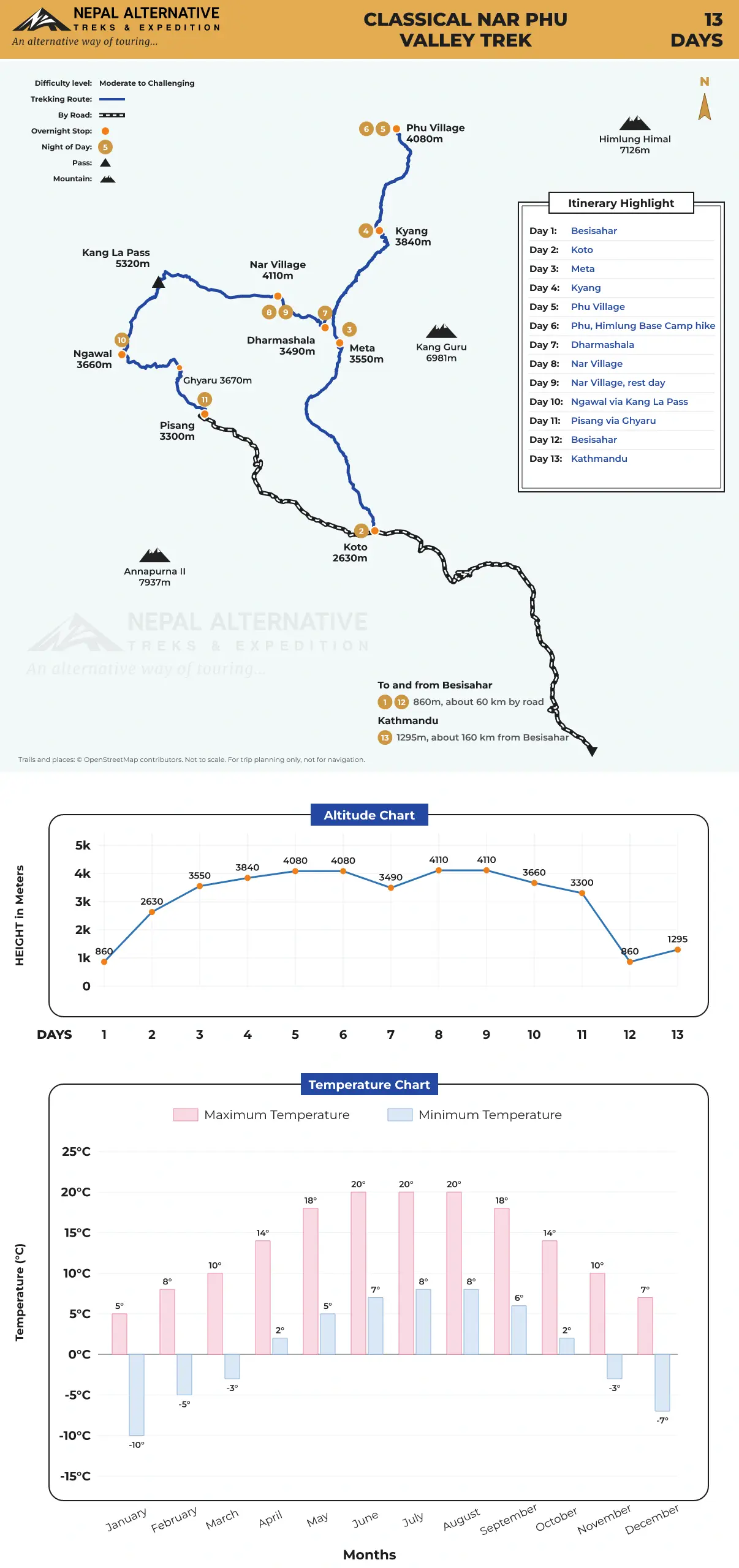
January
-10°C to 5°C
February
-5°C to 8°C
March
-3°C to 10°C
April
2°C to 14°C
May
5°C to 18°C
June
7°C to 20°C
July
8°C to 20°C
August
8°C to 20°C
September
6°C to 18°C
October
2°C to 14°C
November
-3°C to 10°C
December
-7°C to 7°C

Autumn (September to November) is the best season for the Classical Nar Phu Valley trek. The monsoon has cleared the air, the skies are mostly clear, and the trail is dry. Days are mild in the villages, and nights in Phu and Nar drop below freezing, especially in November. Kang La is usually free of deep snow.

Spring (March to May) is the second best season for trekking to Nar and Phu Valley. Days get warmer as the season goes on, and the lower forest between Koto and Meta turns green. Snow can still lie near Kang La in March and early April, so your guide may adjust the plan or the start time on the pass day. Afternoon cloud is more common than in autumn.

Winter (December to February) is very cold in the upper valley. Heavy snow can close Kang La, and many families in Phu and Nar move down to their winter homes, so some lodges close. We do not recommend this trek in winter.

Likewise, summer and monsoon (June to August) bring rain to the lower valley and landslides on the road from Besisahar to Koto. The upper valley lies in a rain shadow and stays fairly dry, so the trekking above Meta can be good. The risk is the road, which can delay your trip by a day or more. Plan extra days if you go in this season.

Route Map

Trail
Return Trail

Join our group departures

We do not have any scheduled group trips, but you are welcome to pick a date that suits you best.

Book a private trip on your own date.

Every journey we create is uniquely tailored to you. Share your interests and passions, and our travel experts will design an unforgettable adventure filled with extraordinary, one-of-a-kind experiences crafted just for you.

Private Booking
Additional Trip Information

How This 13-Day Classical Nar Phu Valley Trek Differs From Our 10-Day Nar Phu Valley Trek

Both treks follow the same valley and cross the same pass, but the Classical version adds three days for a gentler pace, better acclimatization, and more time in the villages.

The extra days include:

  • A night in Kyang, so the climb from Meta to Phu is split into two days
  • More time in Phu, with the option of a day hike towards Himlung Base Camp
  • A full acclimatization day in Nar before Kang La Pass
  • A walking day from Ngawal to Pisang through Ghyaru and past Green Lake, instead of driving out the day after the pass

Choose the Classical Nar Phu Valley Trek if you want more time to adjust to the altitude, more time in the villages, or if this is your first trek above 5,000 m. Choose the 10-day Nar Phu Valley trek if you are short on time and have already trekked at altitude. It follows the same route and reaches the same high point at Kang La Pass, 5,320 m, but moves more quickly between villages.

If you want to add Thorong La as well, see the Nar Phu Valley with Annapurna Circuit trek, a 15-day itinerary that combines Nar Phu with Manang, Thorong La, and Muktinath.

Where You Sleep Each Night on the Classic Nar and Phu Valley Trek: The Altitude Profile

How high you sleep matters more than how high you walk. This table shows the height of each night’s stop and how much it changes from the night before.

Day Night stop Sleep altitude Change from the night before
1 Besisahar 860 m / 2,822 ft First night
2 Koto 2,630 m / 8,629 ft +1,770 m, by road
3 Meta 3,550 m / 11,647 ft +920 m
4 Kyang 3,840 m / 12,598 ft about +290 m
5 Phu 4,080 m / 13,386 ft about +240 m
6 Phu 4,080 m / 13,386 ft No change, day hike higher
7 Nar Phedi 3,490 m / 11,450 ft -590 m
8 Nar 4,110 m / 13,484 ft +620 m
9 Nar 4,110 m / 13,484 ft No change, rest day
10 Ngawal 3,660 m / 12,008 ft -450 m, after crossing 5,320 m
11 Pisang 3,300 m / 10,827 ft -360 m
12 Besisahar 860 m / 2,822 ft Down, by road

A common rule above 3,000 m is to raise your sleeping altitude by no more than about 500 m a night, with a rest day every 3 or 4 days. On this itinerary, two days go beyond that rule. Day 3, from Koto to Meta, is the biggest gain on foot, at 920 m. Day 8, from Nar Phedi to Nar, gains 620 m. On both days, walk slowly from the start, drink regularly, and tell your guide about any headache that evening. Do not push through symptoms to keep up with the group.

The rest of the climb is gentler. The night in Kyang splits the route to Phu into two smaller gains. The descent to Nar Phedi on Day 7 also gives your body a lower night after two nights in Phu. By the pass day, you will have slept at around 4,100 m for 2 nights in Nar. Kang La is about 1,210 m above you, but the extra nights at altitude, the rest day, and the gradual approach help your body prepare for the crossing.

Permits and Restricted Area Rules on Classical Nar Phu Valley Trek

Nar Phu is a restricted area. You need two permits: the Nar Phu Restricted Area Permit and the Annapurna Conservation Area Permit (ACAP). Both are included in the cost of this trip.

The restricted area permit can only be issued through a registered trekking agency. You must trek with a licensed guide, and independent or solo trekking without a guide is not allowed. One licensed guide can lead up to 7 trekkers. A larger group needs a second guide.

To apply for the permit, we need a scan of your passport and your Nepal visa page. We collect the permits in Kathmandu before you start. Your guide carries them and shows them at the checkpoints in Koto and on the way. For fees by season, see our Nar Phu Valley Trek cost and permit guide.

Accommodation and Food on the Trek

Lodges in the Nar Phu Valley are simple, family-run teahouses. Rooms are small, with two beds, a mattress, a pillow, and a blanket. Toilets are often shared and outside, and many higher up are squat toilets. The dining room, heated by a stove in the evening, is where everyone gathers. At Nar Phedi, you stay in the monastery lodge. A sleeping bag rated to about -10°C makes nights in Phu and Nar much more comfortable, even with the blankets the lodges provide.

Menus are shorter than on the Annapurna Circuit. Expect dal bhat (rice, lentils, and vegetables), noodles, soups, potatoes, Tibetan bread, and porridge. Dal bhat is usually the best choice: it is fresh, filling, and you can often have a second serving. Meat is rare and may not be fresh in the higher villages, so we suggest a vegetarian diet above Koto. Fresh seasonal fruit is included.

Drinking Water

Do not drink water from taps or streams without treating it. We provide water purification, so you can refill your own bottle at lodges and treat the water. Boiled water is sold in most lodges but is not included in the cost. Bottled water is hard to find above Koto, and plastic bottles are a problem in the valley, so please carry a reusable bottle. Drink 3 to 4 litres a day. Staying hydrated helps your body adjust to the altitude.

Electricity, Charging, Wi-Fi and Phone Signal Along the Classical Nar Phu Valley Trek Route

Most lodges have electricity from solar panels or small hydro schemes. Charging is usually possible in the dining room for a small fee, which is not included in the trip cost. Power can be weak or unavailable in Phu and Nar, so bring a power bank and keep your phone warm at night.

Wi-Fi and phone signal are limited or absent in much of the valley. Signal is more likely in places such as Koto and Ngawal, but it can still be unreliable. Tell your family that you may be out of contact for several days. Your guide can contact our office in an emergency.

Altitude Sickness and Acclimatization

Altitude sickness can affect anyone. Early signs include headache, nausea, poor sleep, loss of appetite, and feeling unusually tired. Tell your guide immediately if you notice any of these. Do not hide symptoms to keep up with the group.

This trek is planned to give your body time to adjust. The night in Kyang, 2 nights in Phu, and 2 nights in Nar help you acclimatize before Kang La. Your guide checks your oxygen saturation every day. If symptoms worsen, the right response is to stop climbing and, if necessary, descend. Your guide will never take you over the pass if you are unwell.

Walk slowly, drink plenty of water, avoid alcohol, and sleep well. Speak to your doctor before the trip about whether to carry altitude medicine.

If Kang La Pass Is Not Safe on the Day

Nar sits near the head of the valley, so trekkers have two usual ways out: over Kang La to Ngawal, or back down the valley to Koto and then out by road. The pass day therefore needs a plan before you set out, not a decision made on the trail.

Your guide decides on the morning of Day 10. Fresh snow, strong wind, poor visibility, and how each person in the group feels all count. On the climb, your guide also watches for a worsening headache, confusion, or an unsteady walk. Any of these means the person turns back with a guide and does not go higher.

If the pass is closed or someone is not well enough to cross, the options are:

  • Wait a day in Nar for the weather to clear. This may be possible, but it changes the rest of the itinerary and may require rearranging transport and accommodation.
  • Walk back down the valley to Koto and drive out to Besisahar. This usually takes one to two extra days, depending on trail and road conditions.
  • Arrange an emergency rescue if someone is seriously ill. The trip includes help arranging an evacuation, but your own insurance must cover helicopter rescue and medical costs.

Guide, Porters and Group Size

A licensed guide is required to trek in the restricted area of Nar Phu Valley, and our guides know the route, the lodges, and the families who run them. Your guide speaks fluent English, is trained in first aid, and carries a first-aid kit and an oximeter.

One porter carries the main bags for two trekkers, so you only need to walk with a day pack. Keep your main bag to about 10 kg per person, as this is the porter weight limit for this trek. Leave anything you do not need for the trek at your hotel in Kathmandu. If you would prefer your own porter, you can add a personal porter as an optional extra.

Travel Insurance for Classical Nar Phu Valley Trek

Personal travel insurance is not included and is required. Your policy should cover trekking up to at least 5,500 m and emergency helicopter rescue. Kang La Pass is at 5,320 m, and some policies stop at 4,000 m or 5,000 m, so check the altitude limit before buying. Please send us your policy details before the trek.

Culture and Respect in Nar and Phu

The people of Nar and Phu follow Tibetan Buddhism. Walk clockwise around chortens, prayer walls, and monasteries, and do not touch religious objects. Ask before photographing people, entering monasteries, or taking pictures during prayers. Dress modestly in the villages.

Life here is hard, and the villages are small. Buy what you need from the lodges and shops where you stay, and leave nothing behind on the trail.

What a Typical Day Looks Like During Nar Phu Valley Classical Trek

You wake up around 6 or 7 AM, pack your bag for the porter, and have breakfast at the lodge. We usually start walking around 7 or 8 AM, and earlier on the pass day.

We stop for lunch at a lodge or a sheltered spot along the trail. Most days finish in the early afternoon, giving you time to rest, wash, explore the village, and adjust to the altitude. Dinner is around 6 or 7 Pm, followed by a briefing from your guide about the next day. Most people are in bed by 8 or 9 PM.

Packing List for Classical Nar Phu Valley Trek

Pack in layers. Days can be warm in the sun and nights are below freezing.

  • Clothing: Thermal base layers, a fleece jacket, a down jacket, a waterproof shell jacket and trousers, trekking trousers, quick-dry T-shirts
  • Head and hands: Sun hat, warm hat (a beanie is included), buff or scarf, thin and warm gloves
  • Feet: Broken-in waterproof trekking boots, camp shoes, warm socks
  • Gear: Sleeping bag (about -10°C), day pack, trekking poles, headlamp with spare batteries, reusable water bottle
  • Personal: Sunglasses, sunscreen, lip balm, personal medicines, hand sanitizer, toilet paper, small towel
  • Documents and money: Passport, copies of your passport and visa, insurance details, Nepali rupees in cash

FAQs

Related Trips

View Detail For Poon Hill with Mardi Himal Trek – 9 Days
Poon Hill with MardiHimal Trek Banner
Poon Hill with Mardi Himal Trek – 9 Days
Difficulty: Moderate
View Trip Details
View Detail For Lower Mustang Trek – 5 Days
Lower Mustang Trek Banner
Lower Mustang Trek – 5 Days
Difficulty: Moderate
View Trip Details
View Detail For  Short Lobuche Peak Climbing – 11 Days
Short Lobuche Peak Climbing Banner
 Short Lobuche Peak Climbing – 11 Days
Difficulty: Challenging
View Trip Details

Tailor-made Himalayan journeys

Ready for your next Himalayan adventure?

Let our local mountain experts craft a personalized itinerary around your schedule, fitness level, and travel goals — safe, authentic, and rooted in Nepal Alternative Treks’ trail experience.

  • Private & fixed departures
  • Local expert guides
  • On-trek WhatsApp support
Recommended by 100% of travelers
Sign up to our newsletter

Stay up to date with the latest news,
announcements, and articles.

Newsletter
We respect your privacy. Unsubscribe at any time.
Click To Chat